A plum researcher's self-taught path to whisky in Kochi
A researcher who spent years developing plum products taught themselves whisky-making in a single year and now has their sights on the world with whisky from Kochi Prefecture.
When people think of Japanese whisky, the large distilleries with their long histories usually come to mind. What is drawing attention now is the small, new distilleries springing up one after another across the country. According to a report in Nikkan Gendai, at Niyodogawa Distillery in Kochi Prefecture, on the Pacific side of southern Shikoku, whisky-making is in the hands of Yudai Yamazaki. Yamazaki was originally a researcher in a field quite unrelated to whisky.
From the plum laboratory to the still
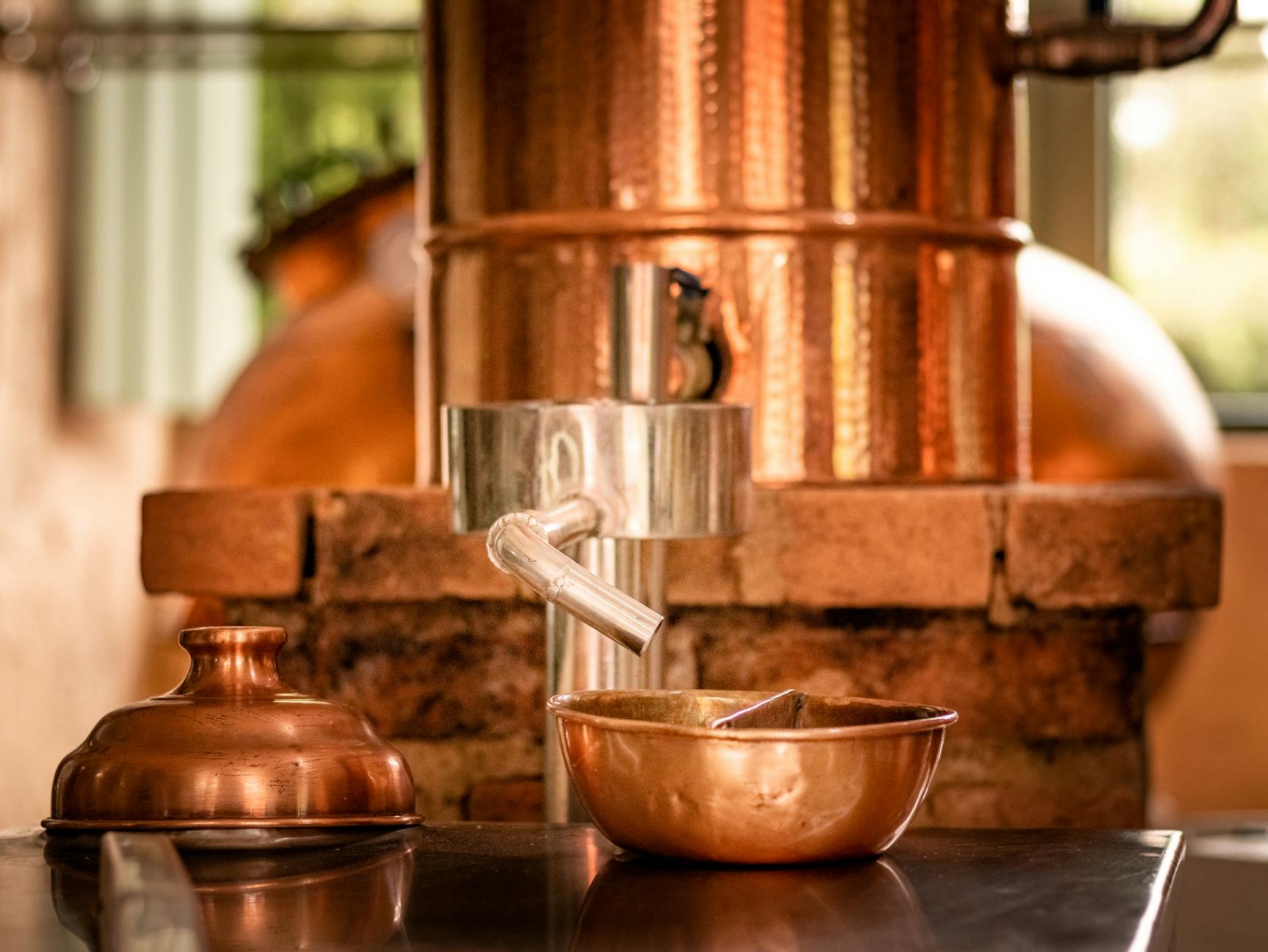
Yamazaki’s previous work was research into plum product development. The plum (ume) is a Japanese fruit known in Europe as the main ingredient of umeshu, plum liqueur. The turning point came when their employer decided to start a whisky business. That prompted Yamazaki to spend a year teaching themselves how to make whisky. Someone who was not born into a brewing family and did not spend long years training at another distillery has become a maker: a starting point very typical of Japan today, where new distilleries are on the rise.
Taking “Made in Kochi” to the world

Yamazaki is also taking on overseas competitions. The stated goal is for whisky made in Kochi to hold its own on the world stage. The distillery takes its name from the Niyodo River, which flows through Kochi Prefecture. Putting the name of the place first, rather than relying on a big-brand name, and seeking international recognition in this way is a trend shared by new distilleries across Japan.
Enjoying it in Europe
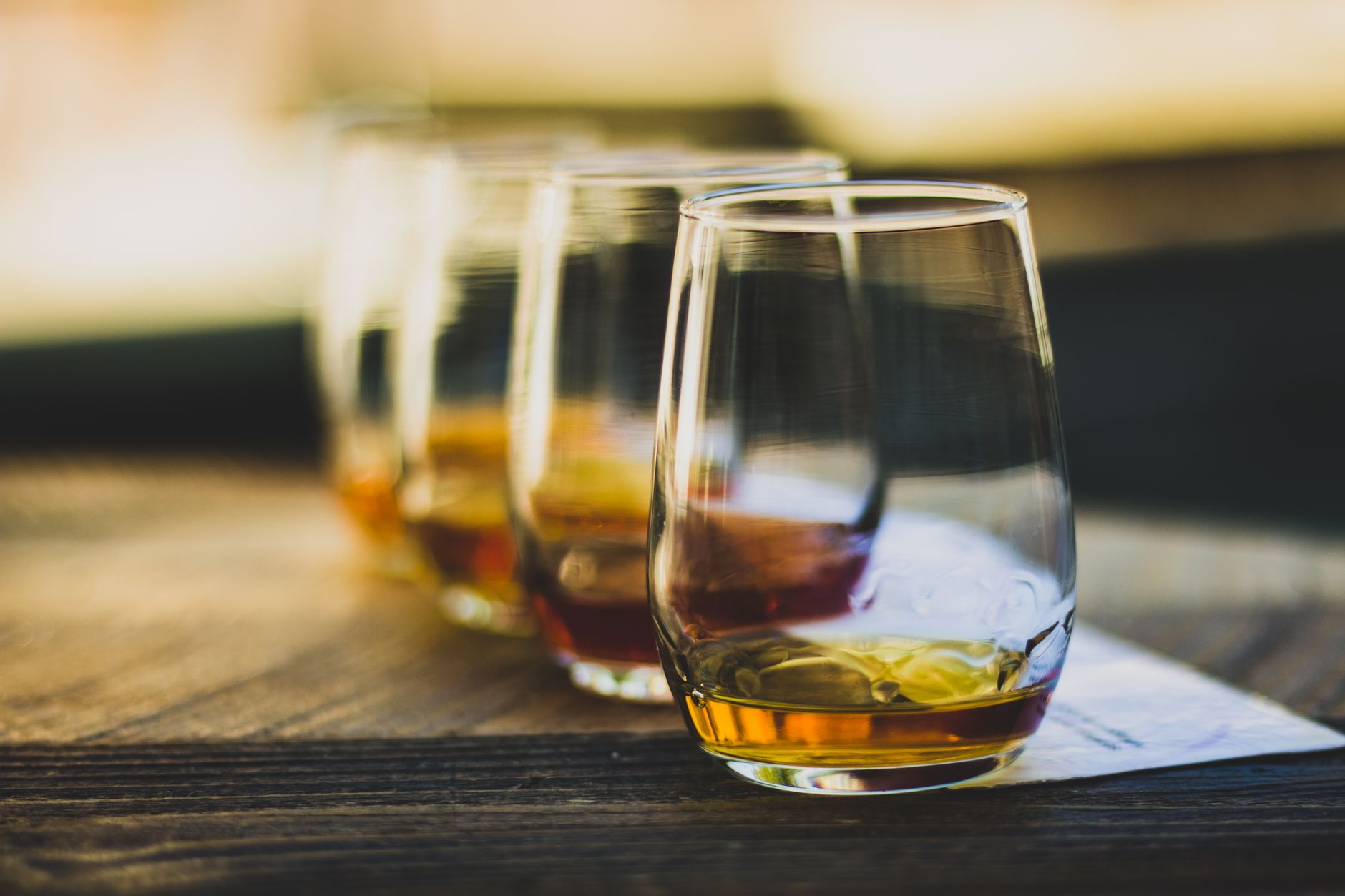
Whisky from Japan’s new distilleries is produced in small quantities, and only a limited number of bottles reach Europe. If you are curious, look for the names “Kochi” and “Niyodogawa” in the winners’ lists of overseas competitions, or on the Japanese whisky shelves of specialist shops. Part of the appeal of a young distillery’s whisky is that its flavour changes from year to year. Adding a little water to see how the aroma opens up, or comparing bottles from the same distillery every few years, lets you follow the maker’s trial and error alongside them.
Sources
Sources
This article was written by The Sake Wire editorial team, summarising the public sources listed above. Images are our own.
Try Akita sake in the EU — from €6
180 ml tasting bottles and full-size sake, wine, beer and gin, shipped from Amsterdam within the EU.


