Rice from rice-cooker tastings becomes craft beer: Zojirushi's "Zo no Mai"
Rice-cooker maker Zojirushi has launched "Zo no Mai", a craft beer made from rice left over from product-development tastings, reaching its annual target of 100,000 bottles in about six months.

Zojirushi Corporation, a home-appliance maker headquartered in Osaka, is also known in Europe for its rice cookers and insulated bottles. The company has launched “Zo no Mai”, a craft beer brewed from rice left over from rice-cooker development. According to the Niigata Nippo, it reached its sales plan of 100,000 bottles a year about six months after launch. It is a case where an effort to cut food waste has turned directly into a new alcoholic drink.
The challenge of 30 tonnes of tasting rice a year
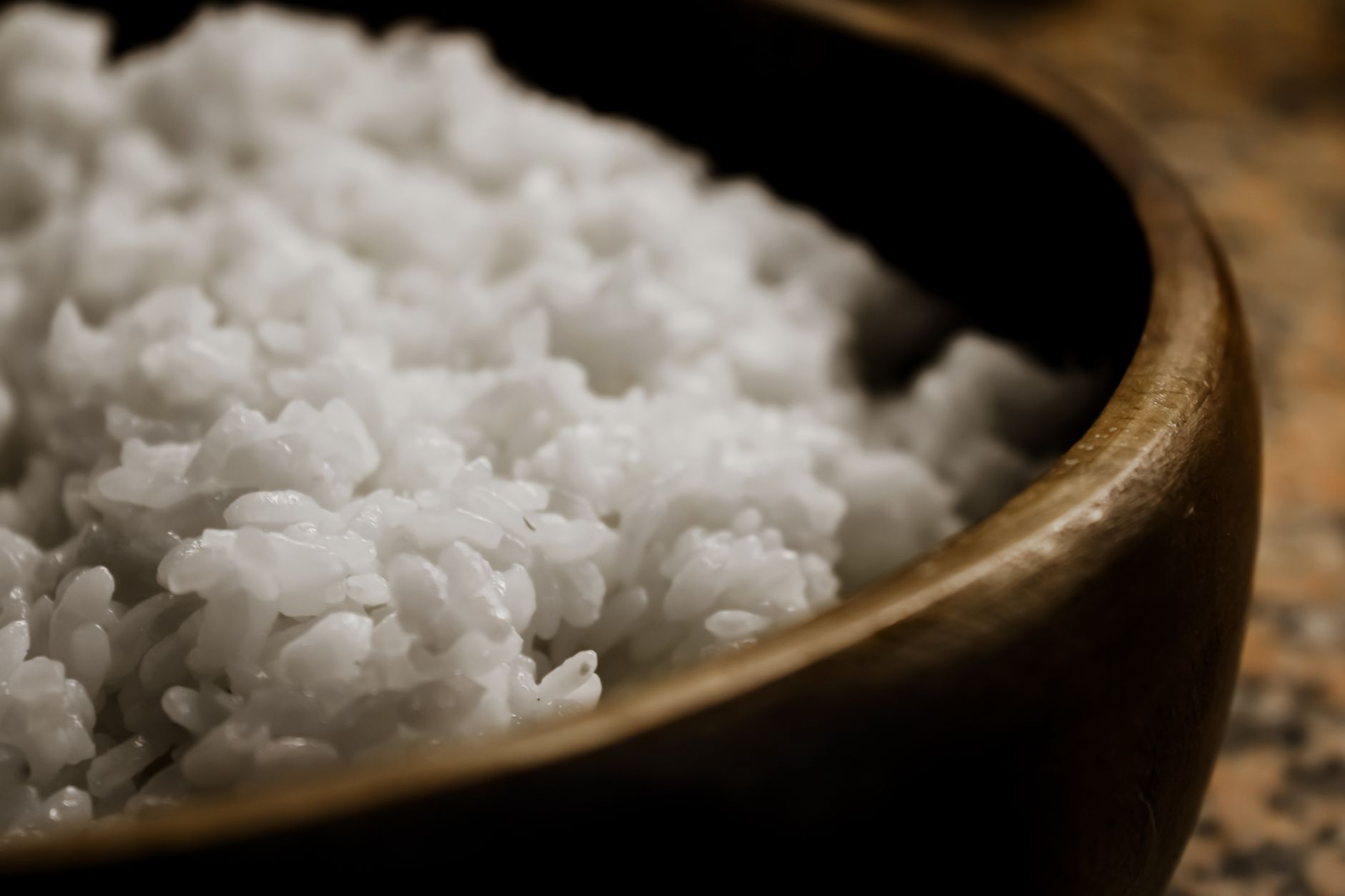
To develop a rice cooker, you have to actually cook rice and check differences in texture, aroma and how it turns out. According to reports, the rice Zojirushi cooks for such tastings amounts to around 30 tonnes a year. The work is essential to protecting product quality, but some of the rice inevitably goes uneaten. “Zo no Mai” puts that leftover rice to use as a brewing ingredient.
What it means to brew beer from rice

Beer is generally made from malted barley, but adding rice as an adjunct is not unusual. Rice is said to make a beer lighter and crisper to drink. Sake is also made from rice, but whereas sake turns the rice itself into sugar using koji (a mould grown on rice) before fermenting it, beer gets its sugars from the power of malt. The same rice, in other words, becomes a completely different drink depending on where it ends up.
What reaching the target in six months suggests

That a home-appliance maker’s beer met its plan in such a short time suggests that consumers care about the theme of reducing food waste. In Japan’s alcoholic-drinks industry, products made from materials that tend to be thrown away, such as sake lees and non-standard fruit, are becoming more common. “Zo no Mai” is an example of a company from outside the world of drinks-making joining that trend.
At present there is no information about exports of “Zo no Mai” to Europe. Even so, the appeal of the story can be enjoyed closer to home. If you come across a beer made with rice, it may be interesting to notice how its lightness and aftertaste differ from a malt-only beer. In Europe, too, upcycled beers made from leftover bread and similar ingredients are on the rise. Setting a sake beside a rice beer and reflecting on the range of flavours that the same grain can produce is also a pleasure.
Sources Niigata Nippo, “Leftover rice becomes beer ingredient: Zojirushi aims to cut food waste” https://www.niigata-nippo.co.jp/articles/-/917043
Sources
This article was written by The Sake Wire editorial team, summarising the public sources listed above. Images are our own.
Try Akita sake in the EU — from €6
180 ml tasting bottles and full-size sake, wine, beer and gin, shipped from Amsterdam within the EU.


