A chef and a brewery team up on blended sake: "Tsumugi"
A kaiseki restaurant in Tokyo and Urazato Shuzoten in Ibaraki have jointly made "Tsumugi", a blended sake combining four different sakes.
Assemblage (blending), taken for granted in wine and Champagne, is starting to spread to sake. Yanaka Tsumugi, a kaiseki restaurant in Yanaka, Tokyo, limited to two parties a day, has teamed up with Urazato Shuzoten in Tsukuba, Ibaraki Prefecture, to create an original sake, “Tsumugi”, made by blending several finished sakes. The owner and chef, Takahiro Nakai, holds both sommelier and kikizake-shi (a specialist sake qualification) credentials.
From three sakes to four: a first for the brewery and the restaurant

Urazato Shuzoten was founded in 1877. It brews with rice and water from Ibaraki Prefecture, and today the sixth-generation owner, Chikara Urazato, serves as both brewery head and toji (head brewer). Blending was a first for the brewery too. For the first edition, made when the restaurant opened in 2025, three sakes were combined; for this second edition, marking the restaurant’s first anniversary, the number has been raised to four. The sakes used are “Urazato Junmai Ginjo” and “Urazato Junmai”, together with “Junmai Ginjo Hoshigiri” and “Tokubetsu Junmai” from “Kiritsukuba”, the brand begun by Urazato’s predecessor. All four are junmai-style sakes, with no distilled alcohol added. For the first edition, Nakai conveyed in words the dishes he had in mind, and the sake was made from that. For the second, Urazato visited the restaurant, tasted the sakes alongside the actual dishes, and only then decided on the blend.
The taste changes between just after blending and two weeks later
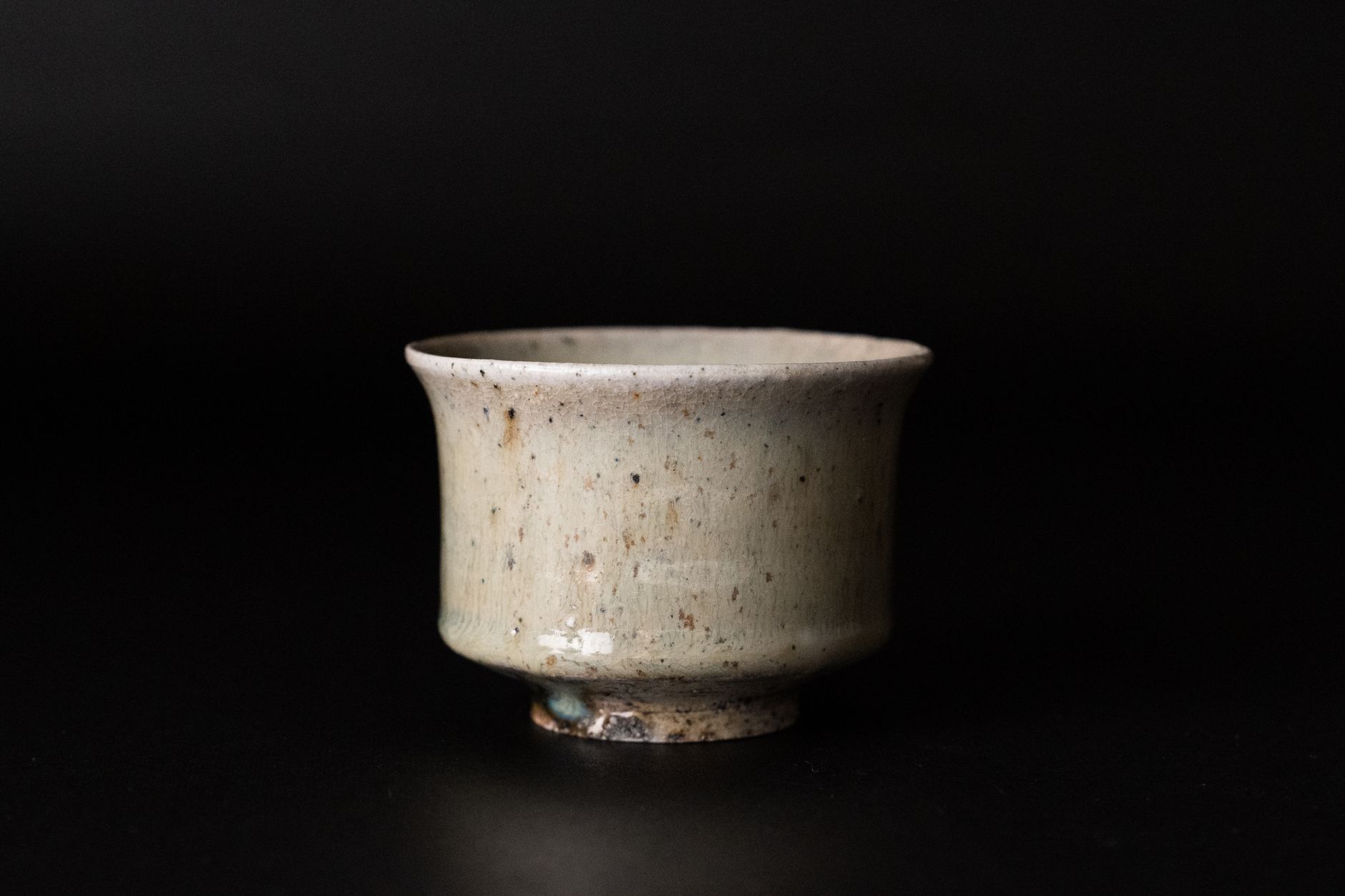
Trying the sakes while changing the proportions bit by bit took about five hours for the first edition. On Urazato’s advice, they then let the blend rest for about two weeks and tasted it again: the sakes had come together, and the flavour had changed considerably. The blend has to be adjusted with the taste after it has settled in mind, not the taste straight after mixing. What Nakai finds most interesting is that when the temperature is changed (chilled, room temperature, warmed) or the vessel is swapped, the character of one or other of the blended sakes comes to the fore, as if they were taking turns.
It widens the chef’s ideas too
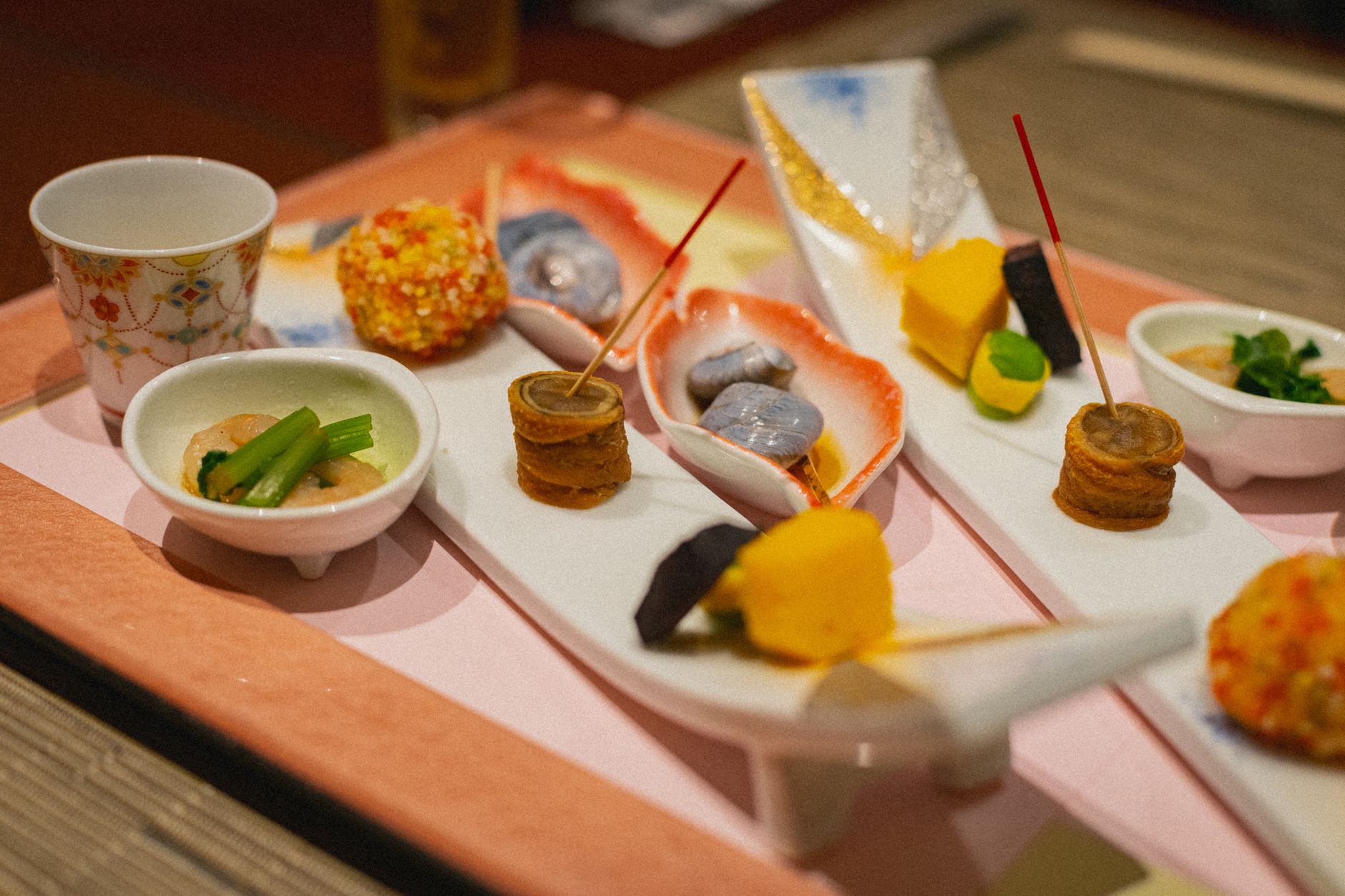
The monthly-changing kaiseki menu includes both cold and hot dishes. Regular guests have said that it “goes well even when the seasons change”. Building on the first edition, Nakai also devised a “cold hirezake” made with fugu fins. Hirezake is traditionally drunk by steeping grilled fins in hot sake. For the cooking sake too, he uses “Fukuwarai” from the same brewery, so that the food and the sake are linked through a single brewery. The second edition is limited to 200 bottles and is served only in the restaurant. Urazato Shuzoten is also taking on an old method of making shubo (the fermentation starter), “sankirei-moto”, in its experimental brewing series “URAZATO PROTOTYPE”. It is a brewery open to new experiments.
“Tsumugi” can only be drunk at the restaurant in Yanaka. Even so, the idea can be tried at home. Combine small amounts of junmai and junmai ginjo from the same brewery in a glass, then compare it chilled and gently warmed; you may find that which sake comes to the fore changes. In Japan, blended sake brands have also begun to appear in places such as Kyoto. The words “assemblage” and “blend” on a label may become something to watch for.
Sources
- Sake World「料理人が考えるアッサンブラージュ日本酒の可能性。「やなか風紡」が[浦里酒造店]と造る料理に寄り添う酒」
- SAKE Street「100年前に消えた製法が、日本酒の未来をつくる? ハイブリッド酒母「酸基醴酛」とは」
This article was written by The Sake Wire editorial team, summarising the public sources listed above. Images are our own.
Try Akita sake in the EU — from €6
180 ml tasting bottles and full-size sake, wine, beer and gin, shipped from Amsterdam within the EU.


