Edo-era 'cocktail' Yanagikage revived with shochu and mirin
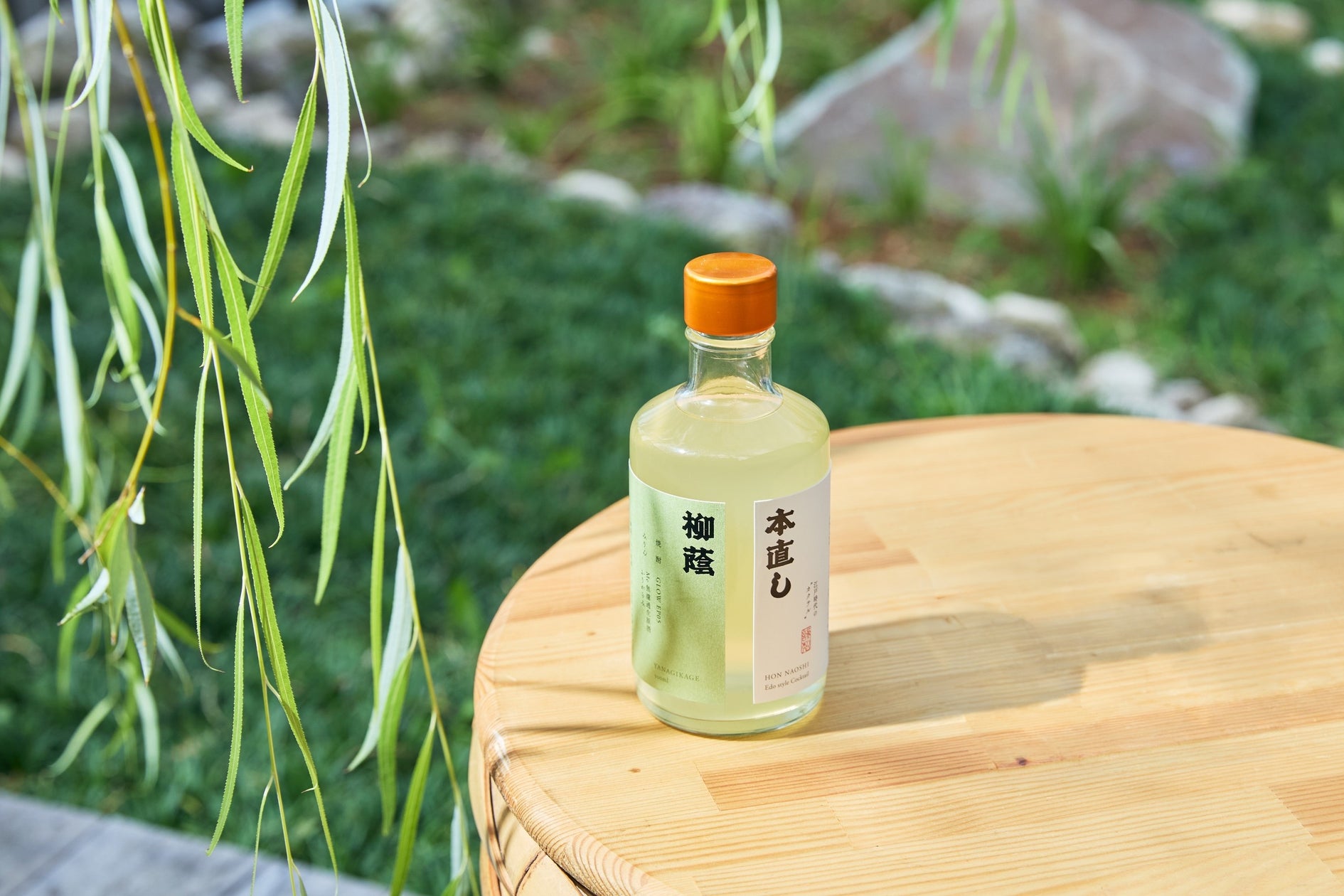
Tokyo's Kanda Toshimaya bottled Yanagikage (Honnaoshi), an Edo-era drink of equal parts shochu and mirin, with modern makers; launched 28 September 2026.
A drink from the days when mirin was meant for sipping
In Europe today, mirin is known as a sweet seasoning for Japanese cooking. It was originally an alcoholic drink, made by steeping glutinous rice and rice koji in shochu, and according to Kanda Toshimaya it was probably a luxury product in the Edo period, selling for around three times the price of sake. Yanagikage is mirin cut with shochu (a Japanese spirit distilled from rice, sweet potato and other ingredients). It was called “Yanagikage” in the Kansai region and “Honnaoshi” in Edo, and was drunk in summer after being chilled in a well. It even appears in the classical rakugo story “Aona”. The new product follows the description in Morisada Manko, a book recording customs of the late Edo period, and combines shochu and mirin in a 1:1 ratio. In the old days the drink was taken with a little salt piled on the rim of the masu (a square wooden measuring box), so a small amount of traditional agehama-style salt is added as a nod to this. It comes in a 300 ml bottle at 28% alcohol by volume, and is classed as a liqueur in Japan.
A first edition made by three makers

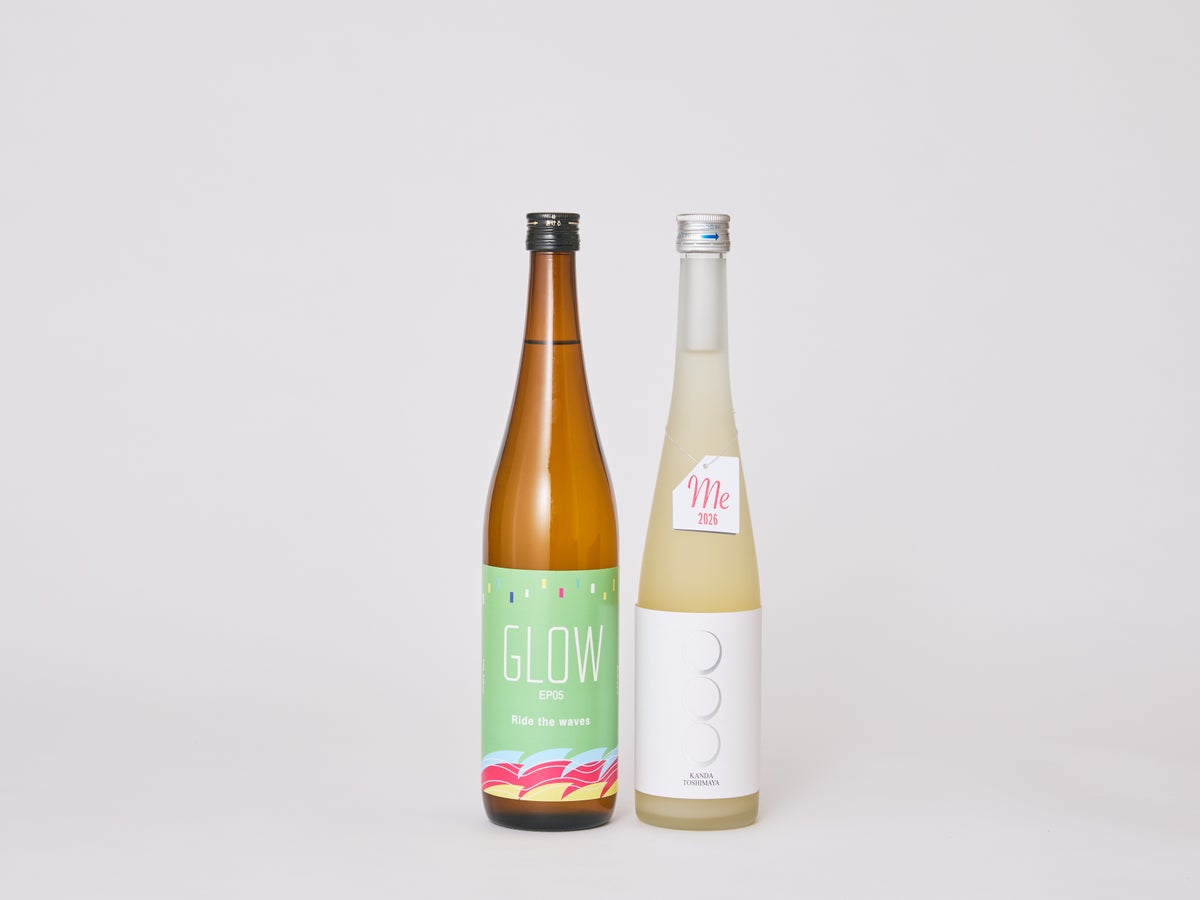
The shochu is “GLOW EP05”, a sweet potato shochu made by Wakashio Shuzo in Shibushi, Kagoshima Prefecture. It is known for a showy aroma reminiscent of muscat grapes and lychee, and for this project the undiluted spirit, before any water is added, was used. The mirin is “Me” Unfiltered Unpasteurised Genshu Origarami from Toshimaya Shuzo, the only mirin brewery in Tokyo. It is made from just glutinous rice, rice koji and rice shochu, and bottled without heat pasteurisation. The press release describes it as the first mirin to have won medals in all of the world’s three major spirits competitions. The blending of the two drinks was handled by SHIRAHAMA DISTILLERY in Shimoda, Shizuoka Prefecture, a distillery opened in 2023 by Hiromitsu Ito, a bartender and distiller.
Five ways to drink it, from chilled to hot

The maker recommends five ways to drink it: chilled and neat, as in the Edo period; over ice; mixed with the same amount of water; topped up with soda and served with lemon; or mixed with the same amount of hot water. The fruity aroma of the sweet potato shochu and the soft sweetness of the mirin are said to come through clearly in every one of them.
The announcement gives no information about sales in Europe. Even so, you can try the same idea at home in Europe. Simply combine equal parts of hon-mirin (true mirin, not “mirin-style seasoning”) and shochu, add just a pinch of salt, and chill it well. It is close in spirit to sipping vermouth or sweet sherry as an aperitif, and for cocktail lovers it could make an enjoyable “200-year-old Japanese recipe”.
Sources
This article was written by The Sake Wire editorial team, summarising the public sources listed above. Images are our own.
Try Akita sake in the EU — from €6
180 ml tasting bottles and full-size sake, wine, beer and gin, shipped from Amsterdam within the EU.


