Why Yeast Does Not Die in the Sake It Makes
A research group at Gifu University has found that the ability to make a membrane lipid called MIPC is essential for yeast to withstand high concentrations of alcohol.
Yeast, the star of sake brewing, turns sugar into alcohol. It then goes on living while surrounded by the very alcohol it has produced. Alcohol (ethanol) disrupts cell membranes and walls, so it is toxic to the yeast itself. Why, then, does yeast not weaken? A research group at Gifu University, a national university in Gifu Prefecture in central Japan, has offered one answer to this fundamental question.
The key is a membrane lipid called MIPC
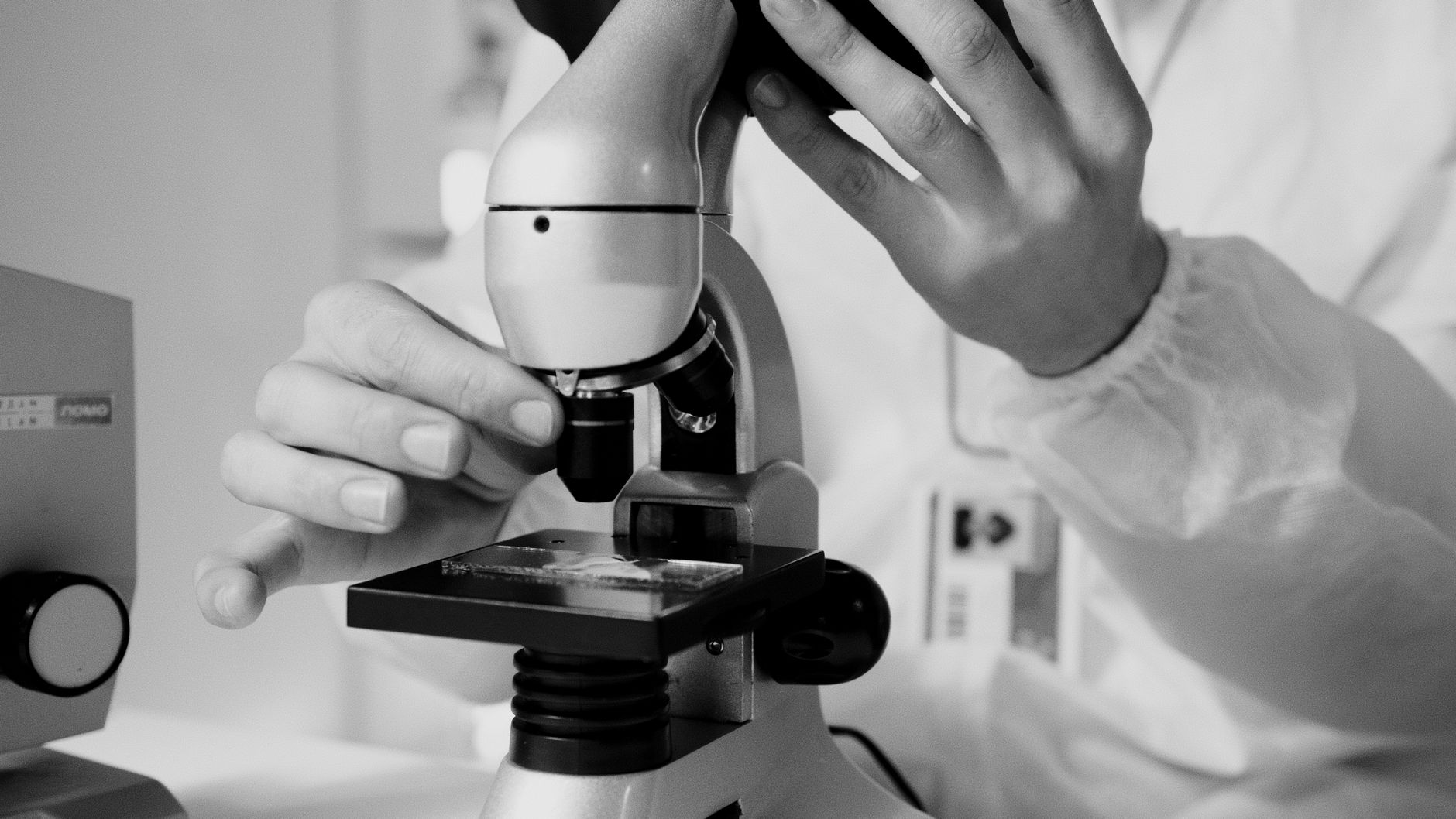
The study was led by Professor Hiroshi Tanimoto of the Faculty of Applied Biological Sciences at Gifu University, in collaboration with Professor Tomoyuki Nakagawa of the same faculty. The subject was budding yeast (scientific name Saccharomyces cerevisiae), which is responsible for the fermentation of bread, beer, wine and sake. The group focused on a molecule called mannosylinositol phosphorylceramide (MIPC), one of the complex sphingolipids, a family of lipids that make up the cell membrane. Yeast that could not make MIPC were unable to keep the outer layers of the cell (the cell wall and cell membrane) stable in the presence of ethanol. As a result, their tolerance to alcohol dropped sharply. MIPC is therefore thought to be the foundation that allows yeast to keep growing in the high concentrations of alcohol it has produced itself. The findings were published online on 21 May 2026 in the international journal Molecular Microbiology.
What it means for sake brewing

Sake is brewed in a distinctive way. The step in which koji converts the starch in rice into sugar and the step in which yeast converts that sugar into alcohol take place at the same time in a single tank. As a result, the alcohol content of the fermenting liquid, known as moromi, reaches a high level for a brewed drink. For the yeast, the harshest environment is the alcohol it has produced itself. In Japanese sake brewing, yeast raised in the traditional starter (shubo) methods known as kimoto and yamahai has long been said to have sturdy cell walls and strong alcohol tolerance. Both kimoto and yamahai make use of naturally occurring lactic acid bacteria. This study did not examine particular breweries or yeast made specifically for sake. Even so, by revealing at the molecular level how the outside of the cell is protected, the discovery connects with this kind of experience on the brewery floor. The research group hopes it will provide a clue for new breeding approaches that make yeast used in industry more resistant to alcohol.
When choosing sake in Europe, look for the labels “Kimoto” and “Yamahai” and check the alcohol content. A sake fermented until the yeast has consumed all the sugar contains little residual sugar and tends to be crisp and dry. If you taste a kimoto sake from a brewery alongside one of its conventionally made sakes, you can judge for yourself how differences in fermentation show up in the flavour. This discovery also has a bearing on the yeasts used for wine and beer. It is worth pausing to reflect on the tenacity of such tiny microorganisms.
Sources
This article was written by The Sake Wire editorial team, summarising the public sources listed above. Images are our own.
Try Akita sake in the EU — from €6
180 ml tasting bottles and full-size sake, wine, beer and gin, shipped from Amsterdam within the EU.


