Umenoyado Names the Origin of Its Omachi Sake: "SOL" and "ARS"
Nara's Umenoyado Shuzo launches two sakes on 2 November using rice from Takashima, Okayama, the birthplace of Omachi, naming variety and origin.
Umenoyado Shuzo in Katsuragi, Nara Prefecture, was founded in 1893 and is known for both sake and liqueurs such as plum wine. Under Kayo Yoshida, who became the fifth-generation president in 2013, the brewery completed a new building in 2022, also in Katsuragi. Now it is turning its attention once more to Omachi, the sake rice that was once its signature.
“Omachi means Umenoyado”
Omachi is an old sake rice variety born in Okayama Prefecture, and it is said to be difficult both to grow and to brew. Umenoyado was praised for its skill in bringing out the character of this rice, and it is said that people once spoke of “Omachi, meaning Umenoyado”. After the war, plantings fell sharply because the rice was so hard to cultivate, and Omachi came close to disappearing. During that period Umenoyado, together with just one other brewery, kept buying the rice at prices that matched its quality, and so helped to sustain the variety. The “Takashima Omachi” used this time is rice specially cultivated under strict management in the Takashima district of Okayama, the birthplace of Omachi. It is regarded as particularly hard to obtain even among Omachi rices.
SOL, the ripe fruit; ARS, the freshly cut fruit
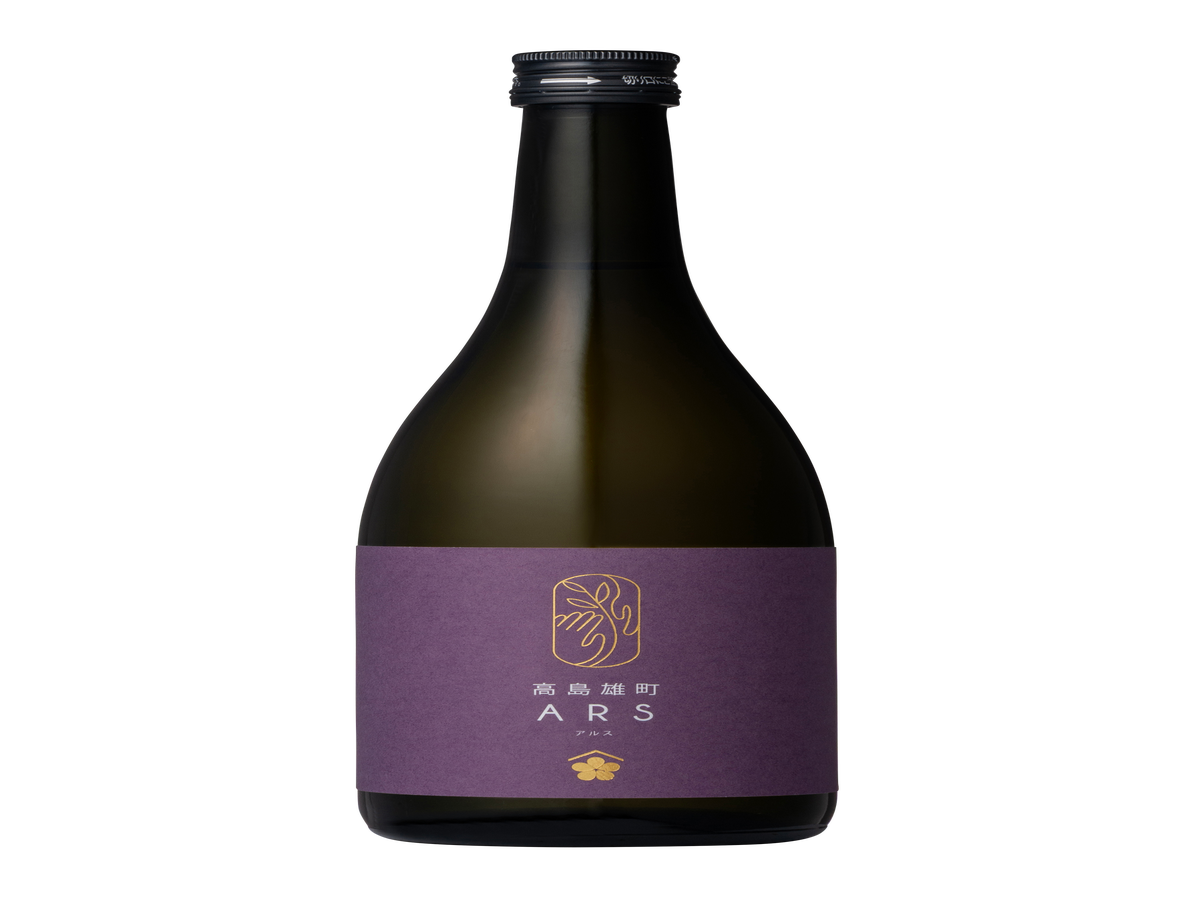
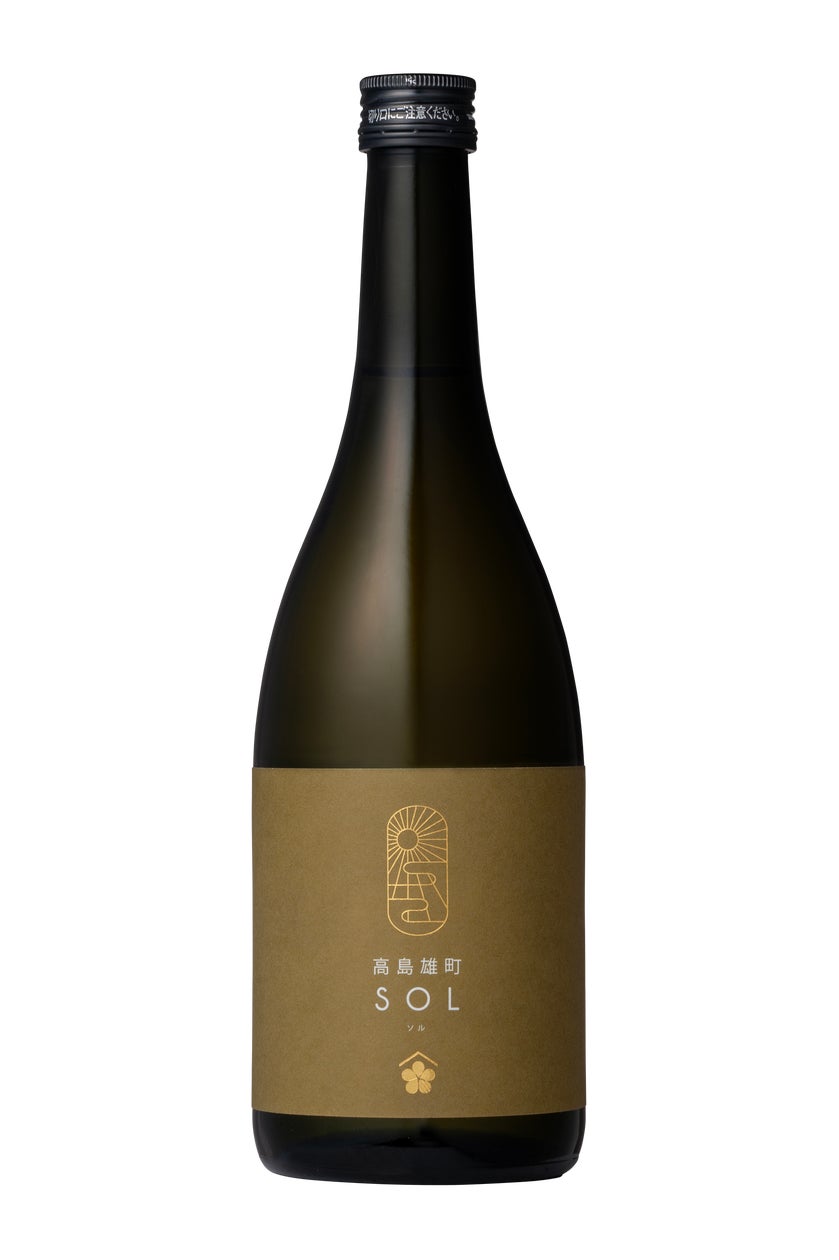
“SOL” has an aroma like gently ripened fruit and the natural sweetness of the rice itself, with a clean, crisp taste. The brewery recommends it at room temperature, as “nurukan” (lukewarm, around 40°C) or warmed even further; warming is said to add roundness, and the sharp finish suits everyday meals. It costs 1,800 yen excluding tax for 720 ml. “ARS” is characterised by a soft aroma like freshly cut fruit. It is smooth on the palate, with a refreshing sweetness and rich umami in harmony, and a lingering finish that is nonetheless clean. It costs 2,500 yen excluding tax for 720 ml. Both are 15% alcohol by volume and are made from only rice and rice koji. They are sold only through specialist retailers in Japan (sake shops that have a trading contract with the brewery) and the brewery’s own shops.
From variety to place of origin
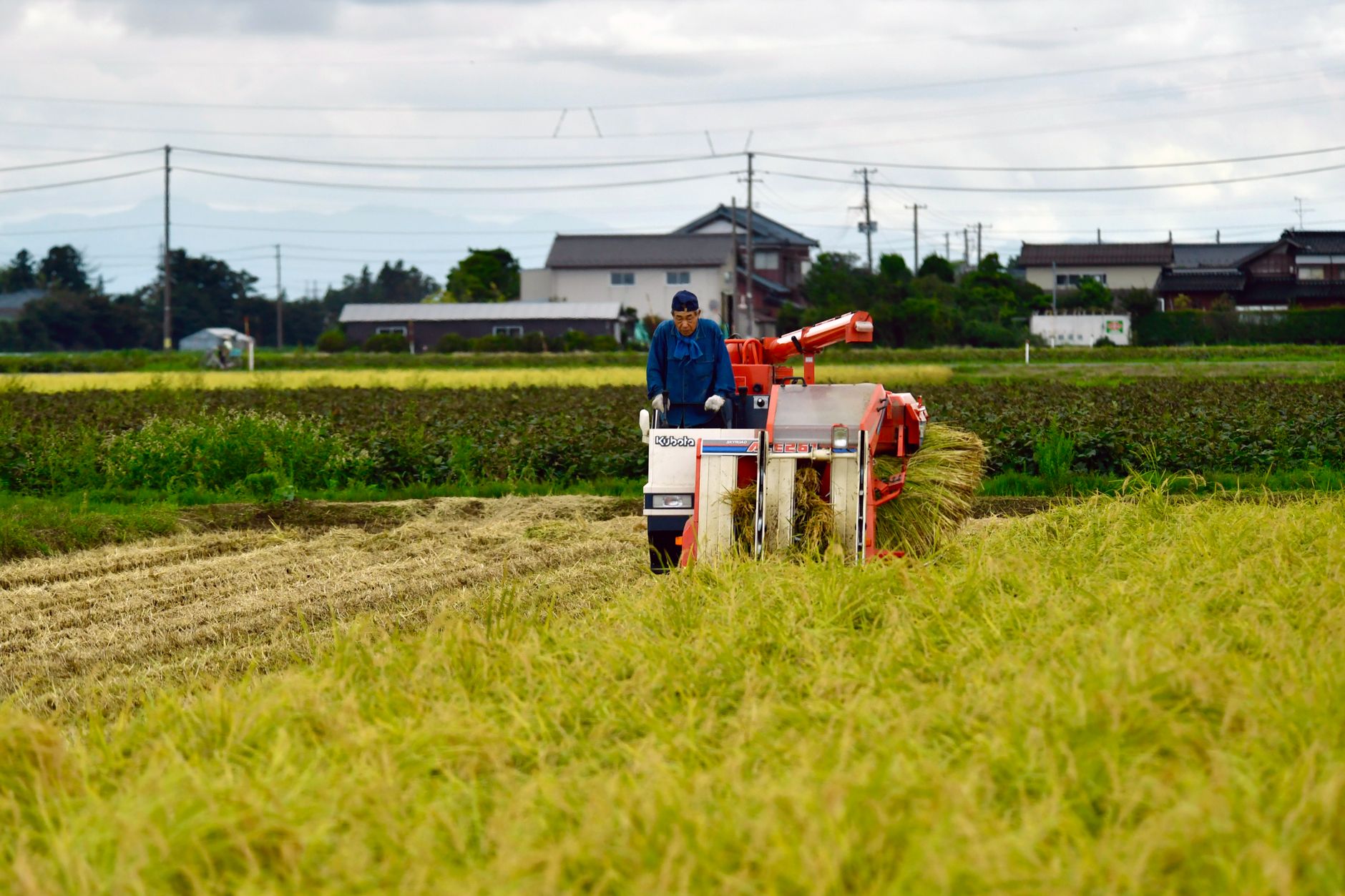
Just as wine is spoken of by vineyard and region after its grape variety, this series puts into the product name not only the sake rice variety but also the name of the district where it was grown. A Nara brewery naming a specific district in Okayama is an attempt to present the origin of the raw material as part of the sake’s character.
Both bottles are currently sold only in Japan, so finding them in Europe will be difficult. Still, you could look for Omachi sake on a specialist retailer’s list, using “Omachi” on the label as a clue, and taste it chilled and then warmed to 40 to 45°C; you may then notice the quality the brewery is aiming for, a flavour that opens up when warmed. It will also be worth watching whether this new series is eventually exported.
Sources
- PR TIMES(梅乃宿酒造)「【梅乃宿酒造】地酒蔵として新たな挑戦をする日本酒!酒米「高島雄町」にこだわり、130余年の伝統と技で醸した『梅乃宿高島雄町SOL(ソル)』『梅乃宿高島雄町ARS(アルス)』を11月2日より発売」
- SAKE Street「家業から企業へ。日本酒とリキュールの二本柱でさらなる飛躍を目指す - 奈良県・梅乃宿酒造」
This article was written by The Sake Wire editorial team, summarising the public sources listed above. Images are our own.
Try Akita sake in the EU — from €6
180 ml tasting bottles and full-size sake, wine, beer and gin, shipped from Amsterdam within the EU.


