Beer from university rice, spent grain for the cattle: Tohoku University's circular collaboration
Tohoku University and Rikyu have launched a cold IPA made with rice from the university farm, with the spent grain going to feed the university's cattle.

The Graduate School of Agricultural Science at Tohoku University in Miyagi Prefecture, in north-eastern Japan, and Kibo no Oka Brewery, run by Rikyu Co., Ltd., a company operating restaurants mainly in the Tohoku region, released “Kawatabi Cold IPA”, the fourth beer in their joint development series, on 11 September 2026. What is new this time is less the beer itself than the system behind it. The spent grain left over from brewing is fed to cattle raised at the university, and the beef is then served as dishes in Rikyu’s restaurants. It is a resource loop that starts on the university farm and returns to the university farm.
A cold IPA born in the university’s paddy fields
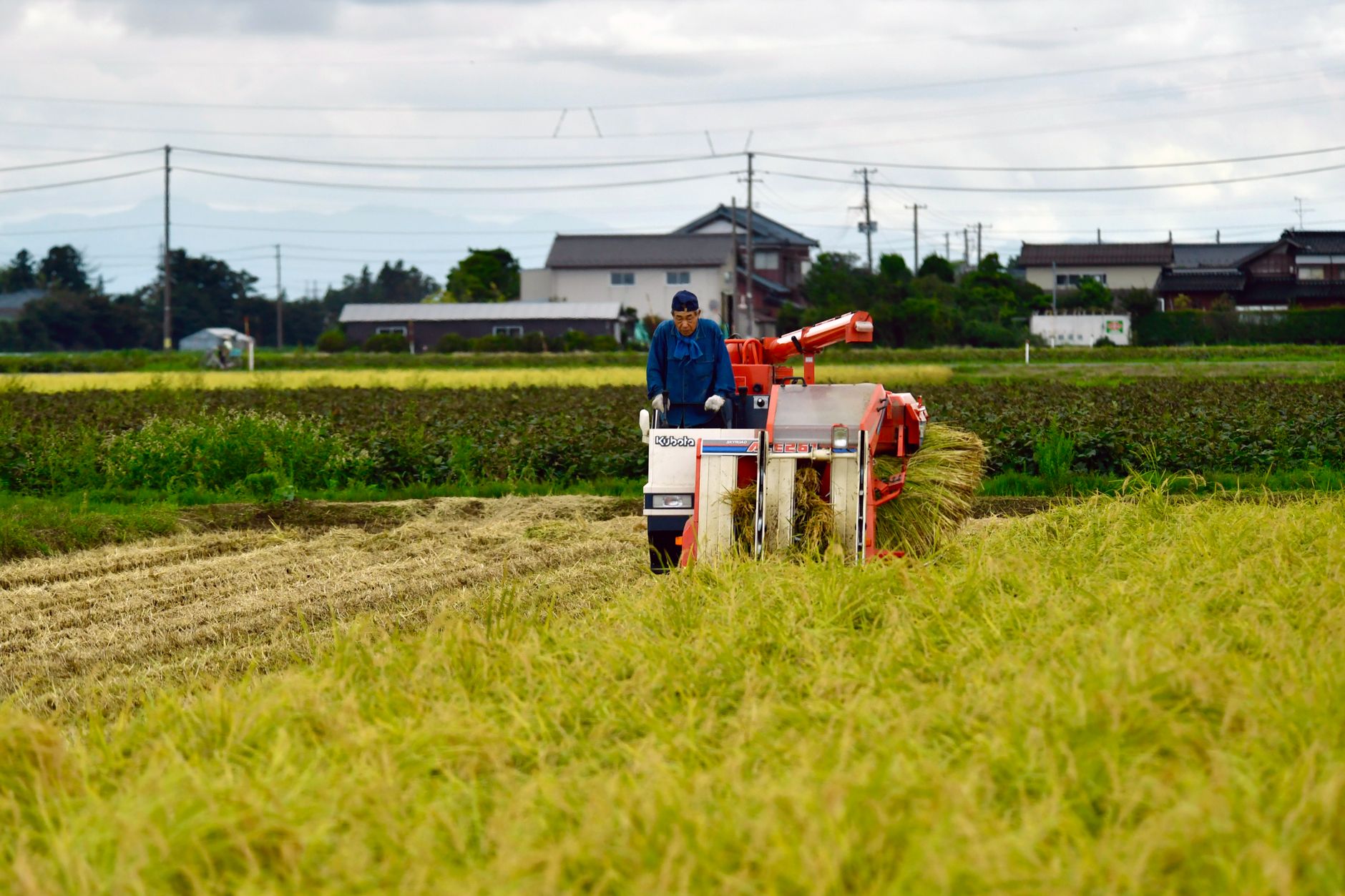
The beer uses Hitomebore rice harvested at the Kawatabi Field Centre, which is attached to the Graduate School of Agricultural Science. Hitomebore is an eating-rice variety widely grown in the Tohoku region, and here it is added as an adjunct. The style is cold IPA. An ordinary IPA is made with ale yeast, whereas a cold IPA uses lager yeast and is matured for a long time at low temperatures, which gives a crisp, dry finish. The gentle sweetness of the rice meets the citrus-like fruity aroma of the hops. The alcohol content is 5.5%. Besides Rikyu’s restaurants, it is sold at the Fujisaki department store in Sendai and at some station branches of the NewDays convenience store chain, mainly in Miyagi Prefecture.
Spent grain becomes cattle feed and returns as a meal
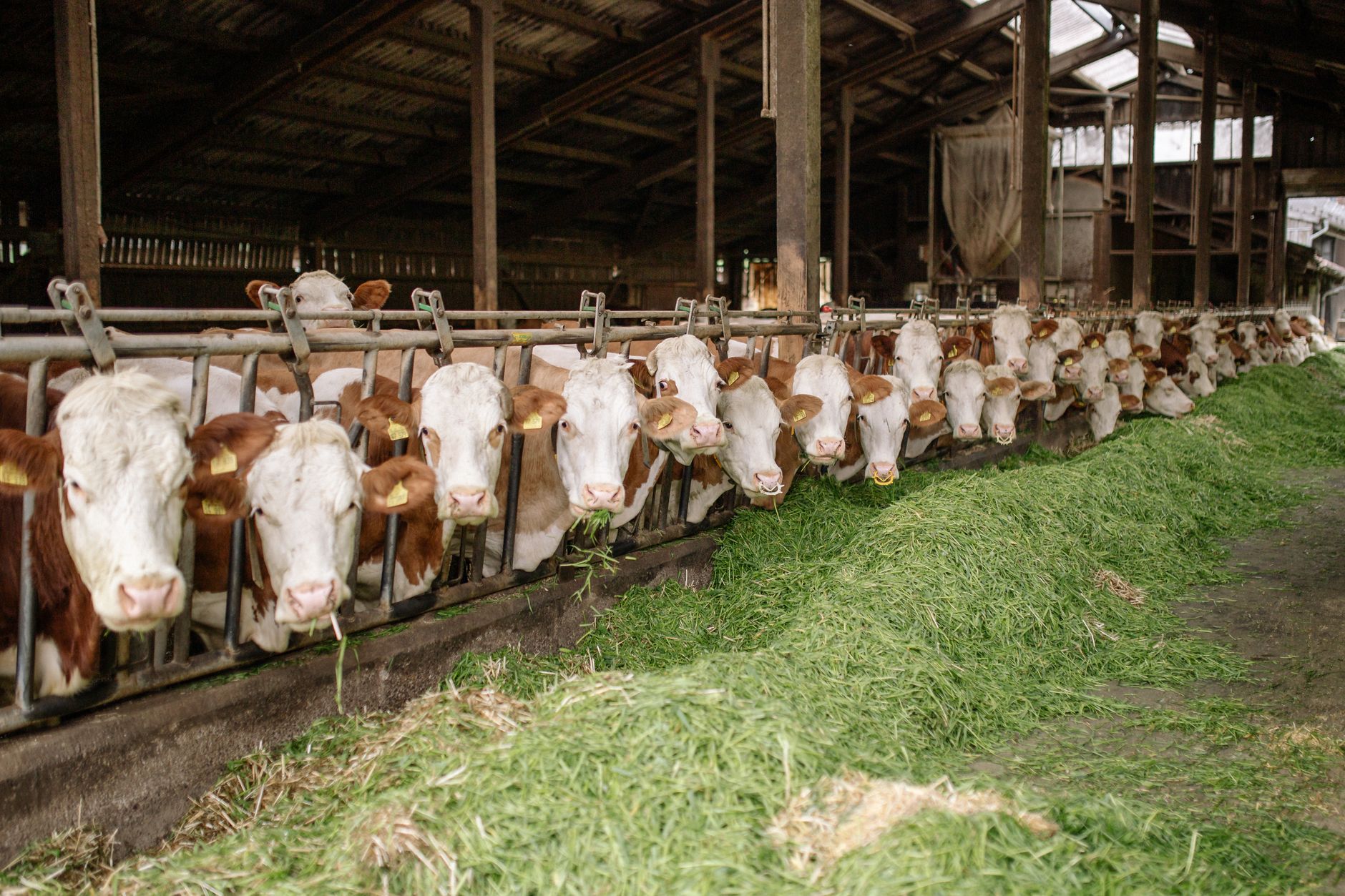
Brewing leaves behind a large amount of spent grain, the residue after the sugars have been extracted from the malt. From this fiscal year, it has been used as feed for the cattle kept at the Kawatabi Field Centre. The cattle raised this way became Sendai beef served at Rikyu’s restaurants. Five dishes were launched at the same time as the beer: a set meal in a tiered jubako box topped with sukiyaki, a steak finished with a sauce of Sendai miso and red wine, a stew simmered in the restaurant’s own beer, skewers, and a thin, pressed and grilled beef cracker (senbei). Part of the proceeds is donated to the Tohoku University Fund and used for the university’s education and research.
Sake lees in the skewer sauce

Sake fans should pay attention to the skewers. The sauce uses Sendai miso from Konno Brewery in Kami, Miyagi Prefecture, and sake lees from the junmai daiginjo of Miyakanbai, a sake brewery in Osaki. Sake lees are the white, paste-like solids left after sake is pressed. Junmai daiginjo is one of the top grades of sake, brewed from rice polished to remove more than half of each grain. Spent grain for the cattle, sake lees for the sauce: the idea of putting by-products to use rather than throwing them away is common to both the beer and the sake.
This beer and beef are sold only in Japan, but the interesting points can be tried in Europe too. Cold IPA is a style that European craft breweries also make, so if you find one brewed with rice as an adjunct, it is worth comparing its lightness and dryness. Feeding spent grain to livestock has long been practised at European breweries as well. What is new in Japan is that a university is showing it as a place for research and education. At home, you can mix sake lees from a sake specialist with miso, marinate meat or fish in it and grill it, which should come close to the flavour of these skewers.
Sources
This article was written by The Sake Wire editorial team, summarising the public sources listed above. Images are our own.
Try Akita sake in the EU — from €6
180 ml tasting bottles and full-size sake, wine, beer and gin, shipped from Amsterdam within the EU.


