Limited Shiba Inu-label junmai: Yamagata rice, slowly aged cold
Tokyo retailer Shinanoya and Kato Kihachiro Shuzo in Yamagata cold-aged a Dewa no Sato junmai after bottling, releasing just 1,040 bottles on 1 October.
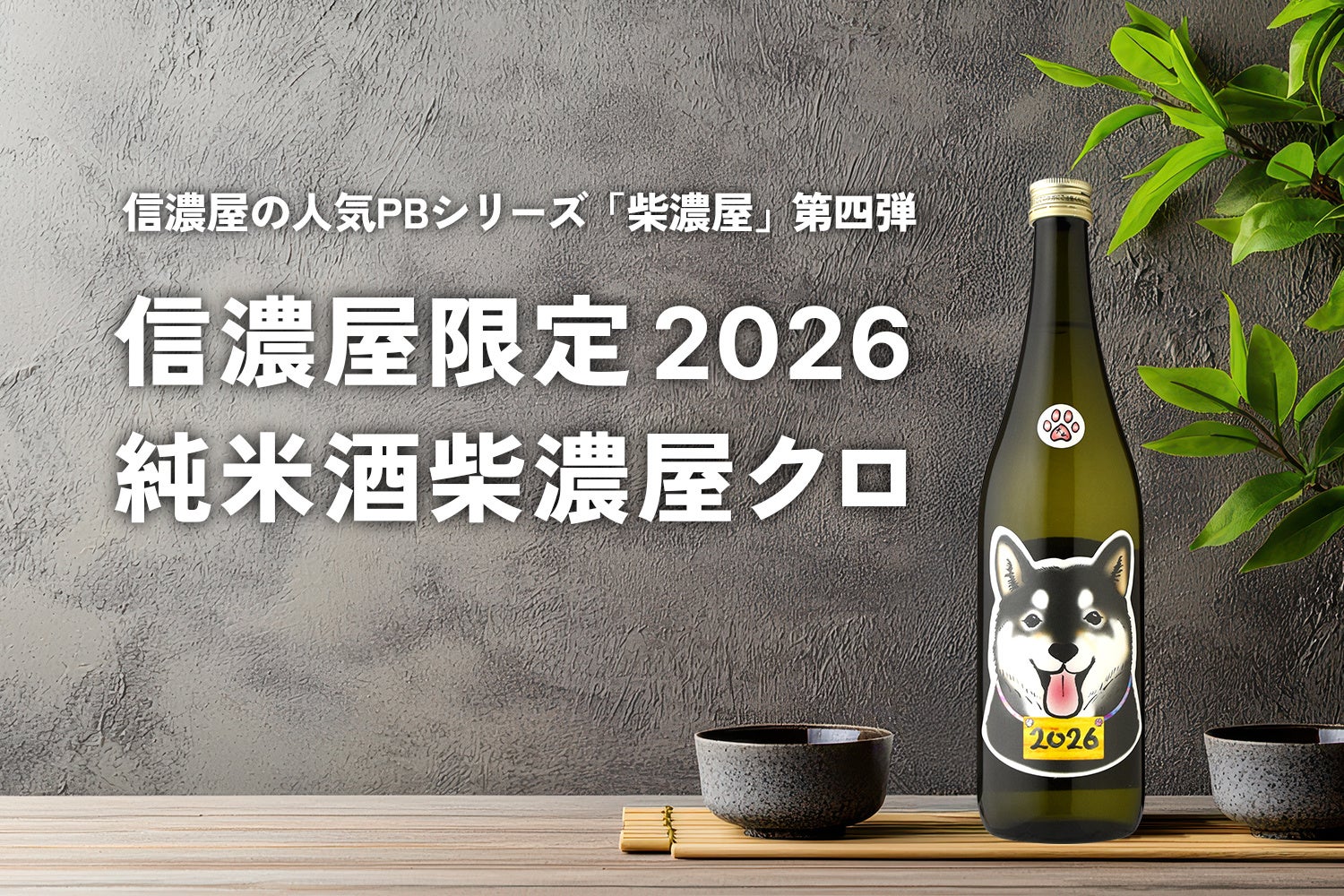
A Shiba Inu label and a commitment to sake for the table
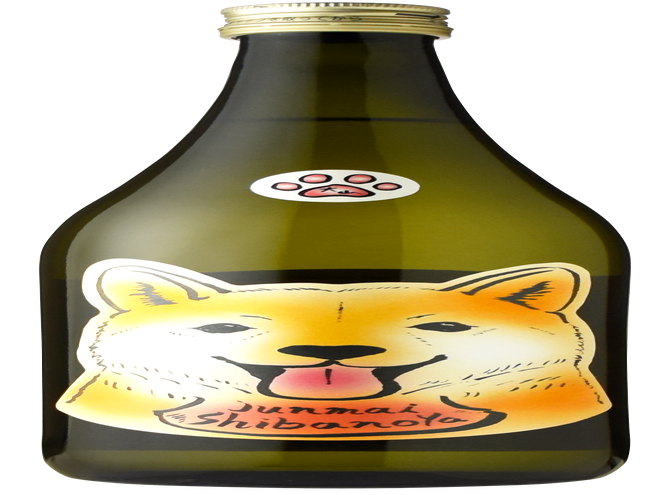
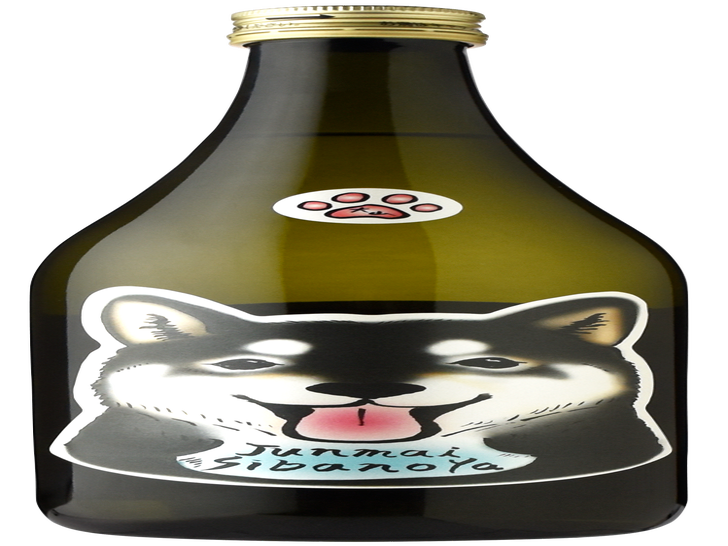
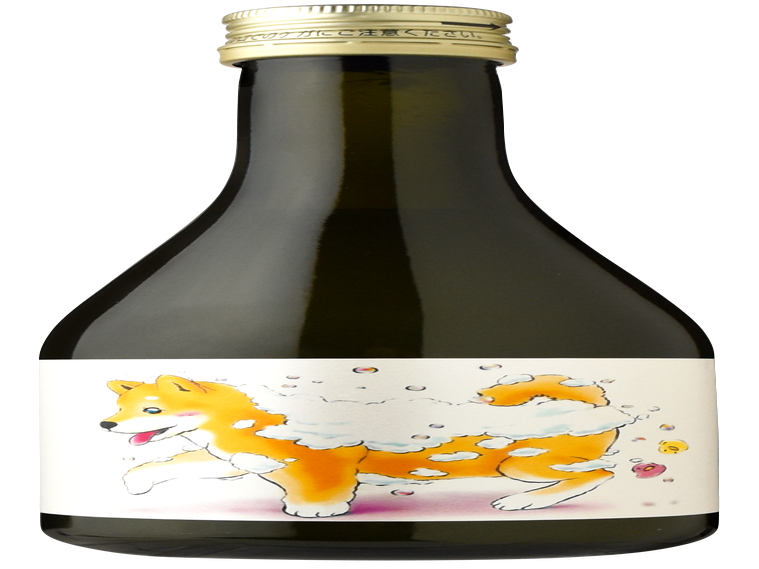
Shinanoya Shokuhin began in 1930 as a sake shop in Setagaya, Tokyo. Today it runs 19 outlets, including supermarkets, sake shops and an online store. Its private-brand series (products that a retailer plans itself) “Shibanoya” launched in 2024. It has featured a range of styles, such as sparkling and aged sake, and this is the fourth release. The first and second have already sold out. The Shiba Inu illustration on the label was drawn by a member of staff at the brewer, Kato Kihachiro Shuzo. It looks cute, but according to Shinanoya buyer Yuichiro Uchida, the series has always aimed to be “sake that tastes good with a meal”.
Kato Kihachiro Shuzo was founded in 1872. It stands in Oyama, Tsuruoka, in the Shonai region on the Sea of Japan coast. Oyama was once known as “Little Nada of Tohoku” (Nada, near Kobe, is Japan’s largest sake-producing area). The brewery makes its “Oyama” brand using subterranean water from Mount Chokai and the Dewa Sanzan, together with Shonai rice.
Bottled first, then rested in the fridge
This is a junmai sake. It is made only from rice, rice koji and water, with no added brewer’s alcohol. The rice is Dewa no Sato, a sake rice (a variety suited to brewing) bred in Yamagata Prefecture. After brewing, the sake was bottled and aged slowly at a low temperature in the brewery’s refrigerator. The brewing year (BY) has not been disclosed. Japanese sake is under no obligation to state the BY. However, interest in ageing has grown under the influence of wine, and more breweries now print it. The release date, 1 October, is Sake Day in Japan. It dates from when the brewing year used to begin on that day.
According to Shinanoya, the flavour is rich and full, yet with a fresh, juicy acidity. A thick sweetness and umami spread across the palate before a clean finish. It is 16.5% ABV, comes in 720 ml bottles and costs 1,980 yen including tax.
How to enjoy it at a European table
Only 1,040 bottles were made, and they were sold solely through Shinanoya’s shops and its online store. Finding the same bottle in Europe will therefore be difficult. Even so, the suggestions are useful. Shinanoya recommends chicken or pork hotpots and sautés, sashimi of fatty yellowtail (a fish at its best in Japanese winters), and dishes simmered in soy sauce or miso. In Europe, comparable choices would be braised pork, roast chicken or fatty mackerel. In shops, look for junmai sake with the BY or “aged” (jukusei) on the label, or sake from the Shonai region of Yamagata. Aged junmai with body and acidity should pair easily with autumn and winter dishes.
Sources
- PR TIMES(信濃屋食品)「信濃屋の人気PBシリーズ「柴濃屋」第四弾!山形・加藤嘉八郎酒造とタッグを組んだ『信濃屋限定2026 純米酒柴濃屋クロ』が10月1日(木)より発売開始」
- SAKE Street「日本酒の「BY」とは?ラベルに書かれた「醸造年度」の意味を解説!」
This article was written by The Sake Wire editorial team, summarising the public sources listed above. Images are our own.
Try Akita sake in the EU — from €6
180 ml tasting bottles and full-size sake, wine, beer and gin, shipped from Amsterdam within the EU.


