Shiga's heat-tolerant new sake rice Kokyo to yield its first sake next spring
Shiga Prefecture has spent about ten years developing Kokyo, a heat-tolerant sake rice. It is expected to yield nearly twice as much as the older variety even in extreme heat, and the first sake is du

A prefectural sake rice shaken by extreme heat
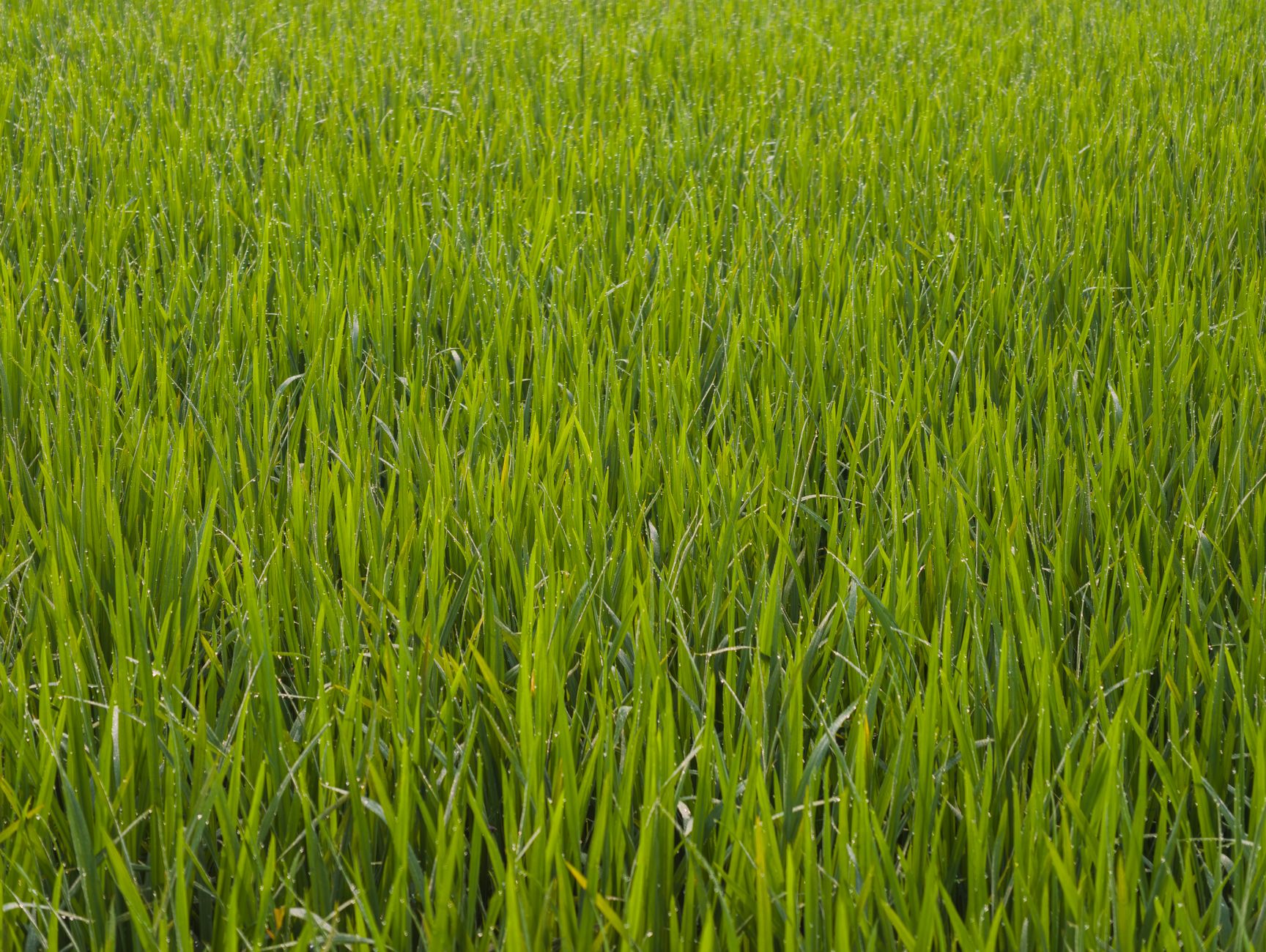
Shiga Prefecture lies just east of Kyoto and is home to Lake Biwa, the largest lake in Japan. The prefecture has its own sake rice, Ginfubuki, developed by its agricultural experiment station (as it was then). It is a cross between Yamada Nishiki, the variety regarded as the finest for sake brewing, and Tamasakae, which is known for its stable yields, and it was registered as a variety in 1999. In recent years, however, the rice has struggled to grow in the summer heat, and yields have fallen sharply. It has become harder to meet demand from breweries that want to make sake from prefectural rice.
Ten years of breeding, and encouraging results
In 2016 the prefecture’s Agricultural Technology Promotion Center began work on a new variety by crossing Ginfubuki with a high-yielding variety, Gin-Omi. In trial cultivation from 2022 to 2025, the new rice gave nearly twice the yield of Ginfubuki from the same area. The shinpaku also appeared well. The shinpaku is the white, opaque area at the centre of a rice grain; it lets koji mould penetrate easily and has a large influence on the quality of the sake. Sake from trial brewing was reportedly soft on the palate, with a flavour close to that of Ginfubuki. The name was chosen from 75 entries: “Ko” (lake) evokes Shiga, and “Kyo” (resonance) expresses the spread of flavour and aroma. It also carries the hope that the sake made from it will resonate around the world.
Protecting sake rice amid soaring rice prices

In Japan, prices for table rice have soared since 2024. As a result, more farmers have switched to table rice, which fetches a higher price, and in Shiga some farmers gave up growing sake rice in 2025. Prices for Ginfubuki and Tamasakae harvested that year rose to about 1.8 times the previous year’s level. In this situation, Kokyo is expected to help stabilise both sake rice production and brewery finances. A representative of a producers’ organisation welcomed it, saying that growers will be able to farm sake rice with a clear outlook. The chairman of the prefectural sake brewers’ association said that if yields can be secured, brewery management will become more stable as well. This year it is being planted on about 10 hectares, and 26 breweries in the association plan to brew with it.
If you are enjoying sake in Europe, look out for the first Kokyo sake, due around February to March 2027. The mark to look for is “Kokyo” in the “sake rice” or “ingredient rice” field on the label. Easy comparisons would be Shiga’s own Ginfubuki, or sake made with Yamada Nishiki grown in warmer regions. You can then taste for yourself how the softness comes from the difference in variety. As with wine, how to deal with climate change is starting to show up in sake, in the choice of raw materials.
Sources
This article was written by The Sake Wire editorial team, summarising the public sources listed above. Images are our own.
Try Akita sake in the EU — from €6
180 ml tasting bottles and full-size sake, wine, beer and gin, shipped from Amsterdam within the EU.


