Rice Prices Have Almost Doubled in Two Years: Why Sake Price Rises Keep Coming
A survey of 115 Japanese breweries shows rice prices have nearly doubled in two years, with about 30% unable to cover higher costs through price rises.
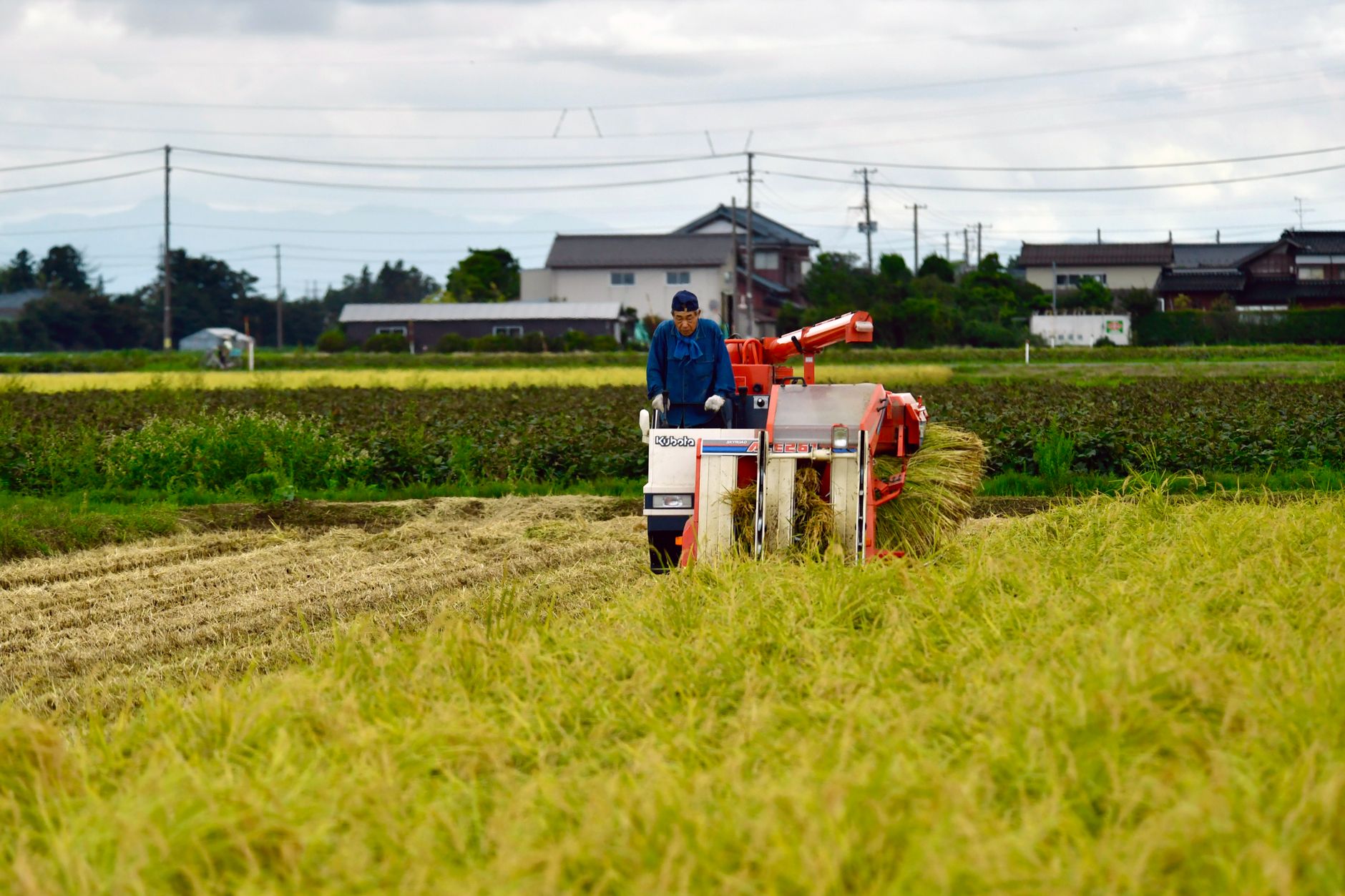
Raw rice prices “almost double”

Jun Sato of the Faculty of International Economics at the University of Niigata Prefecture has published a paper in the academic journal Nihonshu Gaku Journal (Sake Studies Journal), released online in June 2026. Its subject is the surge in the price of raw rice for sake that ran from 2023 to 2025. According to a questionnaire sent to 115 sake breweries across Japan, raw rice prices had risen by an average of 95.3% compared with the year before last, nearly doubling. Because sake is made from rice, water, koji and yeast, a rise in the price of rice feeds directly into production costs. The paper describes this increase as an “abnormal” level.
Breweries whose price rises fall short
The survey found that about 30% of breweries were in a state of “insufficient pass-through”, meaning they had not been able to add enough of their higher costs to product prices. When the figures are weighted by each company’s output, roughly half of the sake on the market is estimated to be affected by insufficient pass-through. That the share is 30% by number of companies but 50% by volume suggests that breweries with relatively large output may be the ones struggling most to keep up with price rises.
The “price-rise trap”: the cheaper the sake, the harder it gets

Sake falls into two broad groups: “tokutei meisho-shu” (designated-name sake such as junmai and ginjo), which meets standards on ingredients and on how far the rice is polished (the rice polishing ratio), and “futsu-shu” (ordinary sake), an everyday, low-priced category. Sato ran a simulation using price elasticities estimated in earlier research. For ordinary sake and other low-priced categories, he found that a cumulative price rise of 21.7% would cut sales volume by 41.1% and reduce gross profit by 38.5 percentage points relative to original sales. Without a price rise, a brewery falls into the red; with one, customers walk away. The paper calls this the “price-rise trap”. As remedies, it points to a shift towards higher value-added products, unified support at national level, and the modernisation of the industry’s trading practices.
The paper analyses the domestic Japanese market and does not directly address the effect on export prices. Even so, if you notice a price revision on Japanese sake in a European shop, rising rice costs like these may lie behind it. When choosing a bottle, it is worth checking the category on the label, such as “junmai” or “ginjo”, and the rice polishing ratio, to judge whether the price matches what is inside. With higher-value sake-making named as a remedy, it will also be worth watching importers’ introductions and new product announcements to see what new sake each brewery brings out.
Sources
This article was written by The Sake Wire editorial team, summarising the public sources listed above. Images are our own.
Try Akita sake in the EU — from €6
180 ml tasting bottles and full-size sake, wine, beer and gin, shipped from Amsterdam within the EU.


