Sado's new sake Rokushiki: 29-year-old brewery head turns the master brewer's instinct into data
Obata Shuzo on Sado Island has launched Rokushiki, brewed under Koki Wada, 29, a former IT worker who captured the master brewer's instincts in numbers.
Sado Island floats in the Sea of Japan, off the coast of Niigata Prefecture on the main island of Honshu. Obata Shuzo, a sake brewery there, has released a new brand called Rokushiki. It was led by Koki Wada (29), the sixth-generation head of the brewery. For Wada, it was the first time he had taken sole charge of a brew, carrying responsibility for the whole production process. He previously worked at an IT-focused advertising agency, and he brought the data-management methods he learned there into sake brewing. He replaced with numbers the judgements that the toji, the master brewer in charge of production, has long made through experience and feel, and pursued his ideal flavour step by step.
Passing on the toji’s “instinct” through numbers
In sake brewing, the toji has traditionally judged how the rice absorbs water, how the koji develops and how fermentation of the moromi (the main mash) is progressing by touch, aroma and experience. Such skills are hard to put into words and take a long time to pass from person to person. For a sake industry struggling with a shortage of successors, this is a problem that many breweries face. By recording and managing that feel as data, Wada tried to reproduce the flavour he was aiming for with consistency. Rather than rejecting traditional craft, it can be seen as an attempt to translate it into the shared language of numbers and hand it on to the next generation. Young brewers bringing experience from other industries back to their breweries is a trend seen across Japan, and this case is a clear example.
A different direction from the dry flagship

Obata Shuzo’s flagship brand, Manotsuru, is centred on a clean, dry style. With Rokushiki, the brewery deliberately changed course, aiming for a flavour in which a transparent sweetness harmonises with a refreshing acidity. Wada’s goal was a sake that simply fills you with the feeling of “delicious”, without needing to explain why. He insisted on rice grown on Sado for the sake rice. The label uses a shape with no sharp corners, expressing a round flavour with no edges. The brewery positions this brand as a sake that can reach younger drinkers too, and plans to grow it into a second pillar alongside Manotsuru. Incidentally, “Rokushiki” is also known as a Buddhist term for the workings of the six senses.
How to enjoy it in Europe
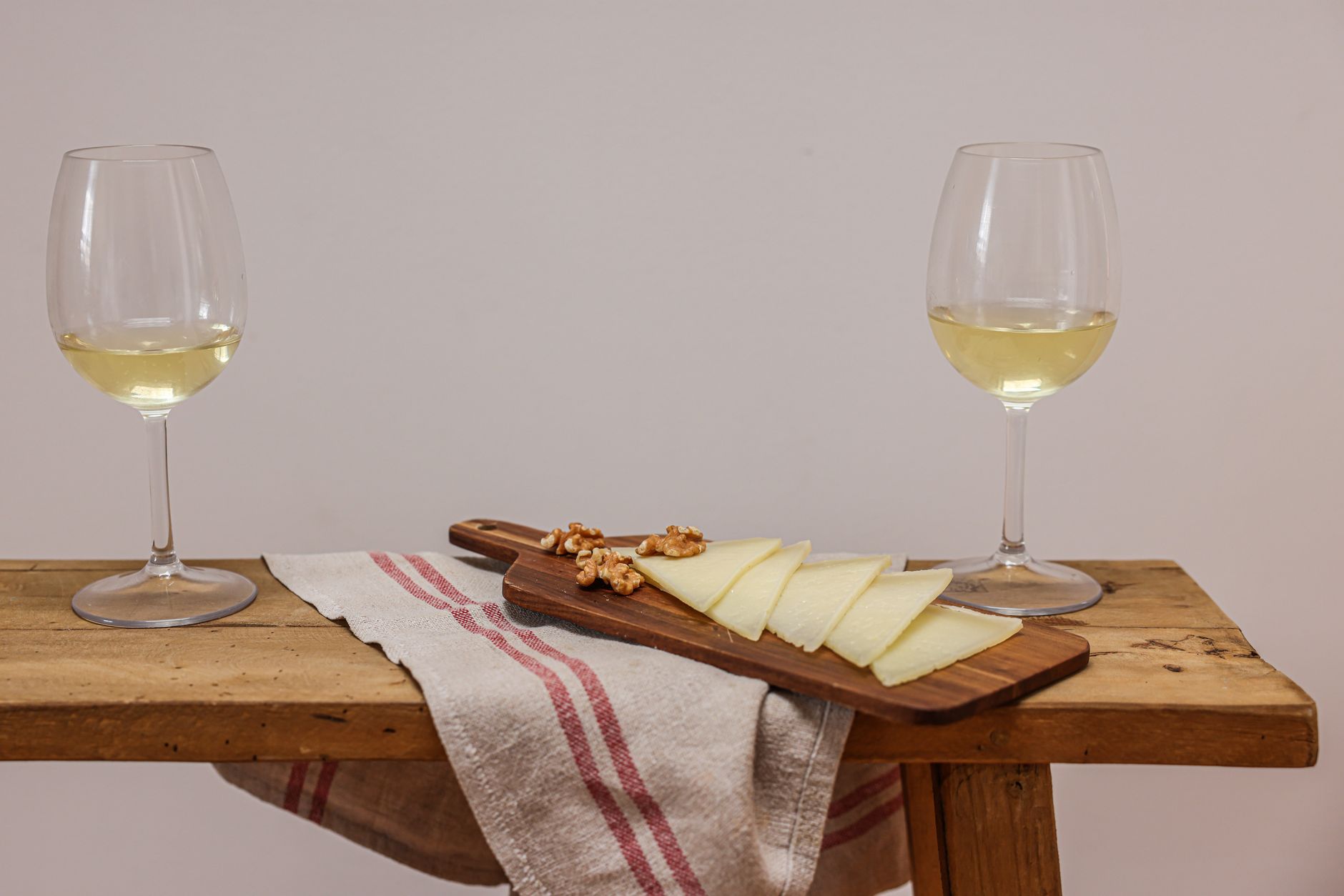
It is not known at this point whether Rokushiki will reach Europe. Even so, the story offers a few points worth noting. First, if a specialist shop stocks Manotsuru, it is worth waiting for the chance to compare the same brewery’s dry sake with its new sweet-and-sour brand. A sake aiming for a balance of sweetness and acidity is easier to appreciate when served chilled in a white wine glass, which makes the aroma and the outline of the acidity easier to pick up, and it is a style that pairs readily with starters made with fresh cheese or fruit, and with dishes featuring tangy sauces. Also, paying attention to background details on the label or in the importer’s description, such as “made by a young brewery head for the first time” or “made with local rice”, shows how a single bottle can reflect a brewery’s generational change, and adds to the pleasure of choosing.
Sources
This article was written by The Sake Wire editorial team, summarising the public sources listed above. Images are our own.
Try Akita sake in the EU — from €6
180 ml tasting bottles and full-size sake, wine, beer and gin, shipped from Amsterdam within the EU.


