Naohiko Noguchi, 93-year-old toji, sees his craft recognised as Ishikawa cultural property
Naohiko Noguchi, 93, the Noto toji dubbed the "god of sake brewing", is to be certified as holder of Ishikawa's intangible cultural property "Sake Toji Craft".
Ishikawa Prefecture, home to the Noto Peninsula that juts out into the Sea of Japan, has decided to designate the craft of the “toji”, the master brewer in charge of sake production, as a prefectural intangible cultural property. The person to be certified as its holder is Naohiko Noguchi, aged 93. According to local reports, this is believed to be the first time anywhere in Japan that a toji’s craft has been designated a cultural property. Traditional Japanese sake brewing was inscribed on UNESCO’s Intangible Cultural Heritage list in 2024. What makes this certification notable is that the authorities have officially named one craftsman who actually practises that art as an object of protection.
More than 70 years in the brewery: the “god of sake brewing”
Noguchi comes from Noto in Ishikawa Prefecture and has worked in sake brewing for more than 70 years as a member of the Noto Toji, the guild of master brewers from the Noto region. At the National New Sake Appraisal, where Japan’s new sakes compete, he has won gold 27 times. In 2008 he was awarded the Medal with Yellow Ribbon. Two achievements were cited: popularising “ginjo” sake, in which the rice is heavily polished to produce a highly aromatic result, and reviving and spreading “yamahai brewing”, a method that had nearly died out after the war. Yamahai is a traditional technique in which the shubo (the fermentation starter) is patiently cultivated with the help of the natural lactic acid bacteria living in the brewery, and it tends to yield sake with firm acidity and umami. On hearing of his certification, Noguchi said he was delighted and that he was truly happy to be recognised for having carried on.
Records kept to the second, and hand-made koji

The toji is the brewery’s chief, and the detailed work is normally carried out by craftsmen known as “kurabito”. Noguchi, however, takes part personally in almost every stage, from washing the rice to the brewing itself. He has been particularly committed to doing “koji making”, the cultivation of koji mould on the rice, by hand. His thoroughness, which extends to recording the moisture of the rice and the humidity of the room down to the second, is said to have led to this certification. Noguchi says that sake can only be born when Japan’s climate and natural environment, the rice used as raw material and the craftsman’s skill all come together, and that it cannot be made in any other country. Wanting to pass this culture on to the future, he intends to keep working in the brewery and hand his skills on to the next generation.
Tasting yamahai in Europe
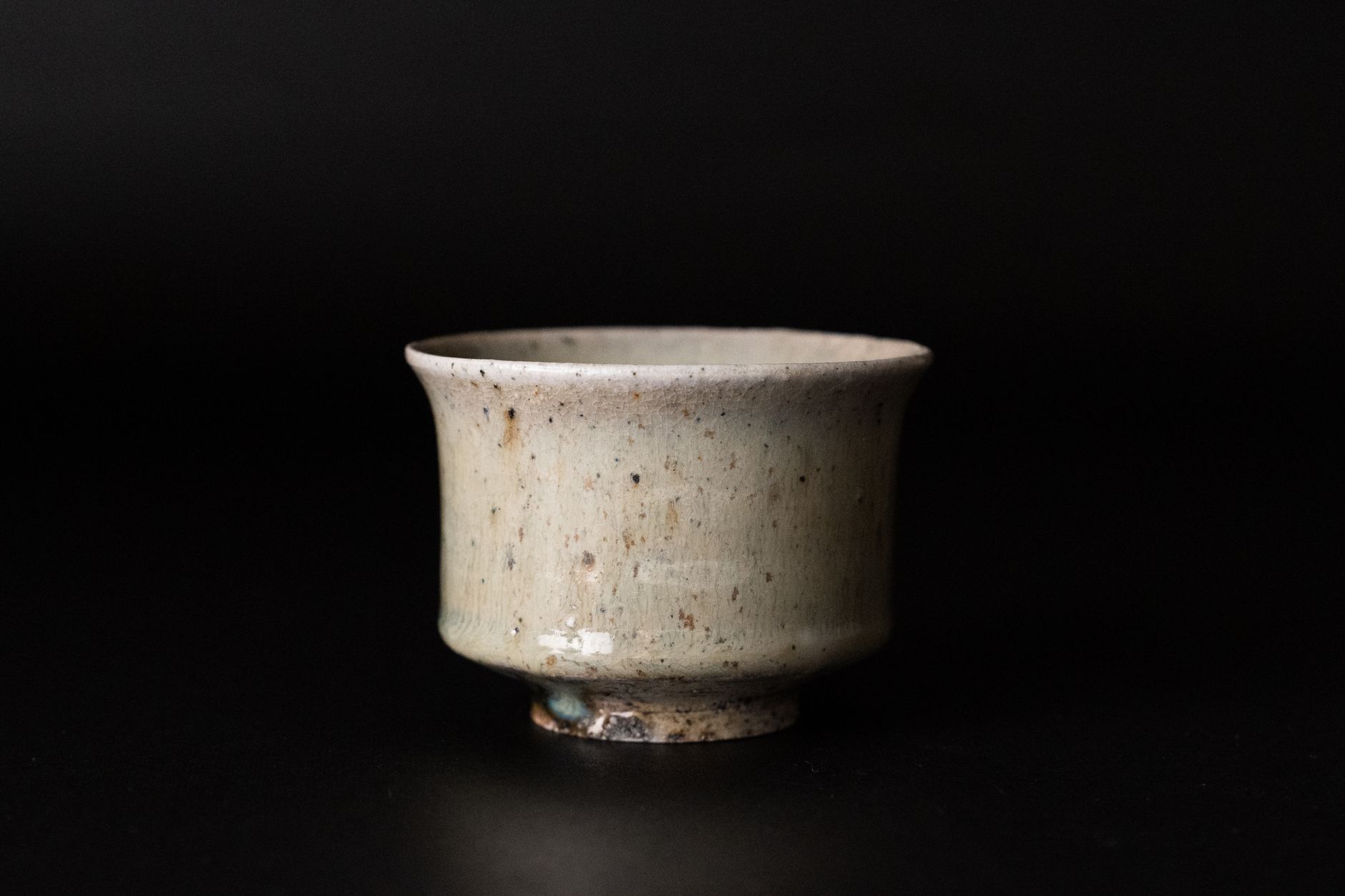
The quickest way to encounter Noguchi’s work in Europe is to look for the word “Yamahai” on the label. Sake made by the method he popularised is now produced by many breweries and is easy to find among imports. It is characterised by lactic acidity and a rich, full umami, and its flavour opens up when served at room temperature or lukewarm (around 40 degrees). It goes well with dishes that would call for a robust white wine, such as mature hard cheese, mushroom dishes and smoked meats. Ginjo, on the other hand, is best served chilled in a wine glass that lets you enjoy the aroma. That the same “sake” can show so many different faces depending on how it is made speaks to the depth of the toji’s craft.
Sources
This article was written by The Sake Wire editorial team, summarising the public sources listed above. Images are our own.
Try Akita sake in the EU — from €6
180 ml tasting bottles and full-size sake, wine, beer and gin, shipped from Amsterdam within the EU.


