Japan's first RO-certified sake brewery, Niida Honke, asks what makes workers happy
Niida Honke, a Fukushima sake brewery founded in 1711, has become the first in Japan to gain a Western-born certification that audits both soil and workers.

Niida Honke, a sake brewery in Koriyama, Fukushima Prefecture, has been in business for more than 300 years since its founding in 1711. In 2025, its farming company, Niida Honke Agri, became the first Japanese producer to obtain the US-born Regenerative Organic Certified (hereafter RO certification). Koriyama lies roughly in the middle of Fukushima Prefecture, in the southern part of the Tohoku region, north of Tokyo. In September 2026, Patagonia organised a media tour that opened the brewery and its rice paddies to visitors.
A notion of “regeneration” that goes beyond organic

The regenerative approach does not stop at reducing environmental harm. It aims to return soil and ecosystems to a richer state than before and hand them on to the next generation. RO certification builds on organic certification and rests on three pillars: soil health, animal welfare and social fairness. Standard organic certification mainly sets rules on pesticides, chemical fertilisers and genetically modified organisms, and it does not guarantee how the people working on the farm are treated. RO certification is designed to fill that gap, and fair prices, living wages and bans on child and forced labour are also part of the audit.
The audit question: “Are you happy at this company?”
What stayed most in the memory of Yasuhiko Niida, the 18th head of the family and also the toji (master brewer), was the interviews with employees. The auditors, not the company, chose the employees at random. Besides questions on conditions such as pay and holidays, they reportedly asked, in essence, whether people were living happily in this workplace. Work that deals with nature is hard, from weeding in summer to brewing preparations in the early hours of midwinter. Even so, Niida Honke had long treated employee happiness as a management goal, so it says it changed nothing for the certification. The head of the family is grateful that a third party has confirmed an approach the brewery has valued for so long.
A brewery that “protects Japan’s rice paddies” and Patagonia’s sake
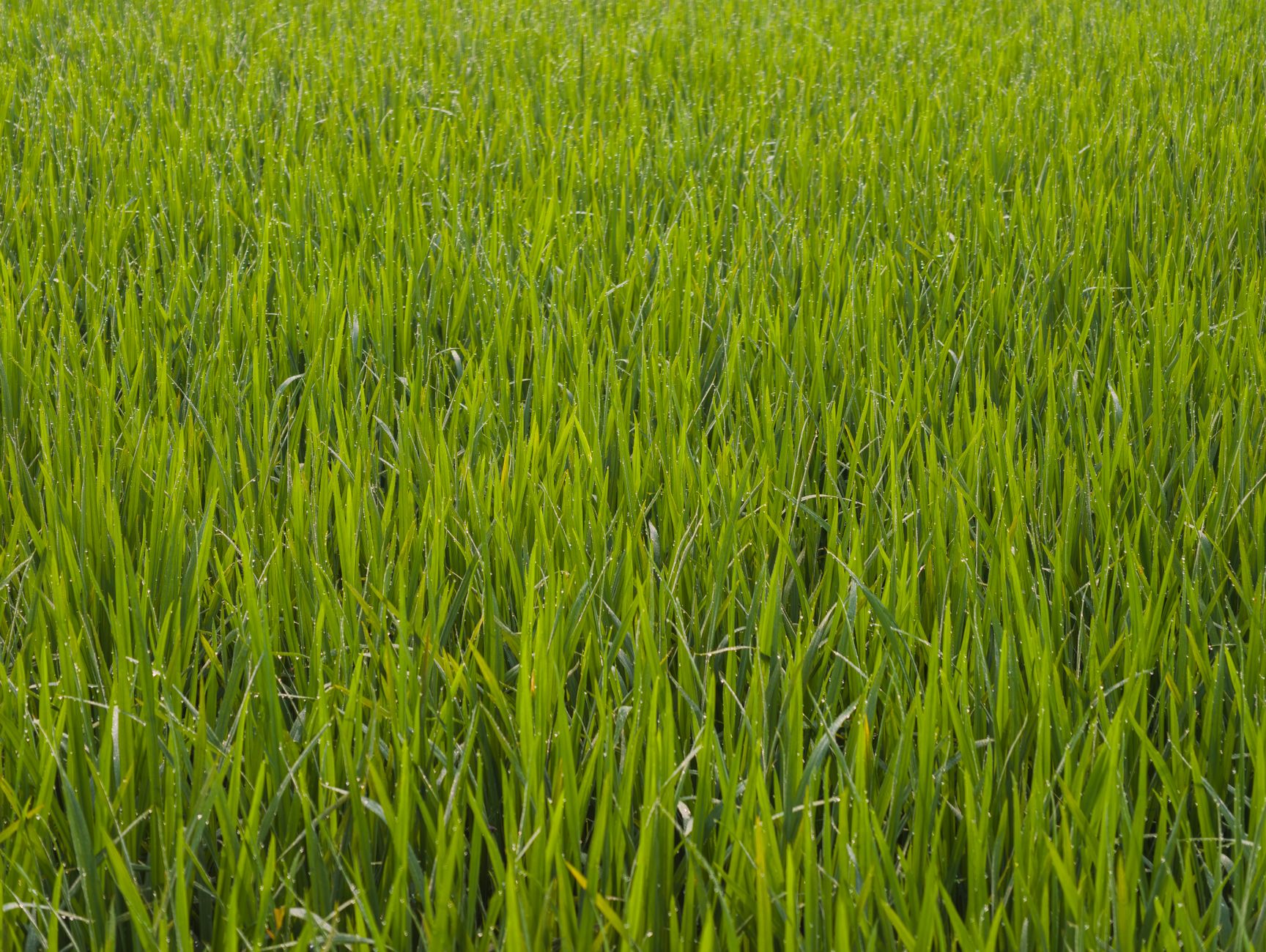
Niida Honke has set itself the goal of becoming “a brewery that protects Japan’s rice paddies” and has continued to grow rice without relying on pesticides or chemical fertilisers. The brewery makes Yamamori, the original sake of Patagonia Provisions, Patagonia’s food division, and it was the first sake in Japan to receive RO certification. The 2026 edition is scheduled to go on sale on 12 November.
In Europe, many people use organic and environmental certifications as a guide when choosing what to buy, so RO certification is a standard that is easy for them to understand. When buying sake, check the label or the importer’s description to see whether it carries RO certification. To find out whether Yamamori is available in your country, it is worth asking Patagonia Provisions or a specialist sake shop. Looking beyond flavour to the soil the rice was grown in and the people who made the sake may change how you see it.
Sources
This article was written by The Sake Wire editorial team, summarising the public sources listed above. Images are our own.
Try Akita sake in the EU — from €6
180 ml tasting bottles and full-size sake, wine, beer and gin, shipped from Amsterdam within the EU.


