Nagano Prefecture uses donations to sustain sake-making and the quality of junmai sake
Facing soaring sake rice prices and falling shipments, Nagano Prefecture has begun collecting hometown-tax donations to fund junmai sake technique and brewer training.

Nagano Prefecture, in central Honshu and ringed by the Japanese Alps, has 80 sake breweries, the second-highest number of any prefecture in Japan. In May 2026 the prefecture began taking donations under the banner “Shinshu Sake: Japan’s No. 1 Project”. The scheme uses furusato nozei (hometown tax), a Japanese system in which people who donate to a local authority receive a tax deduction. The target is 2 million yen, and donations are accepted until the end of March 2027. There are no thank-you gifts, and every yen collected goes towards passing on the craft of sake-making.
Three headwinds hitting small breweries
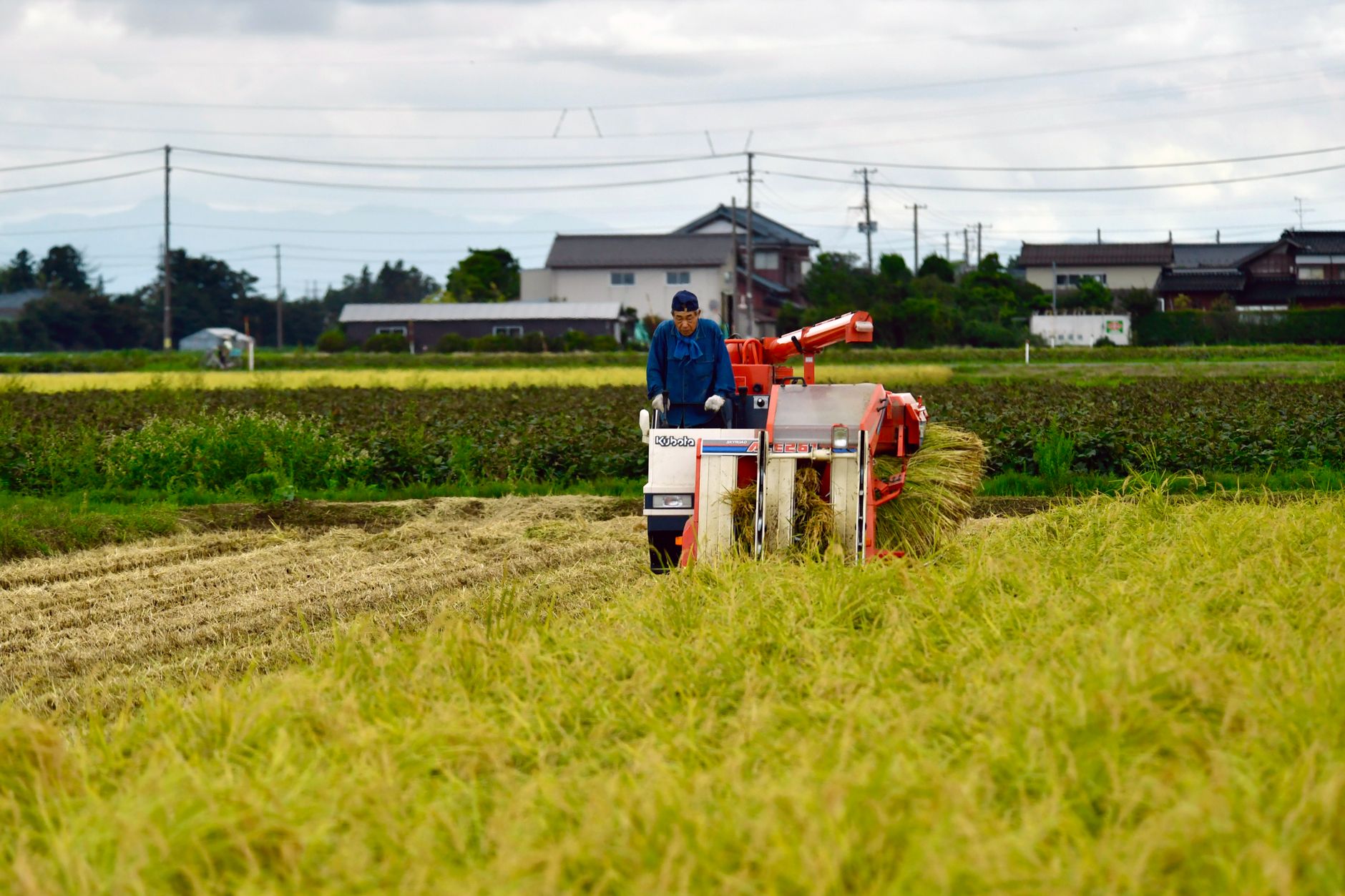
In 2024, Japan’s “traditional sake-making” was inscribed on UNESCO’s Intangible Cultural Heritage list. Yet conditions at the breweries are hard. Extreme heat and pest damage have reduced rice harvests, and the price of table rice has risen sharply, so some farmers have stopped growing sake rice and switched to table rice. When temperatures are high while the rice ripens, the grains become hard and prone to cracking. This lowers the quality of the sake and also reduces the amount of sake that can be made from the same quantity of rice. Shipments of sake from the prefecture have fallen to one fifth of the peak reached in 1973. The workforce has changed too. In the past, groups of seasonal craftsmen who lived in the brewery over winter passed on their skills, led by the toji (master brewer, the person in charge of brewing). Today the work is carried out mainly by year-round employees and members of the brewing families, and how to pass on technique has become a challenge.
Aiming for “junmai sake means Nagano”
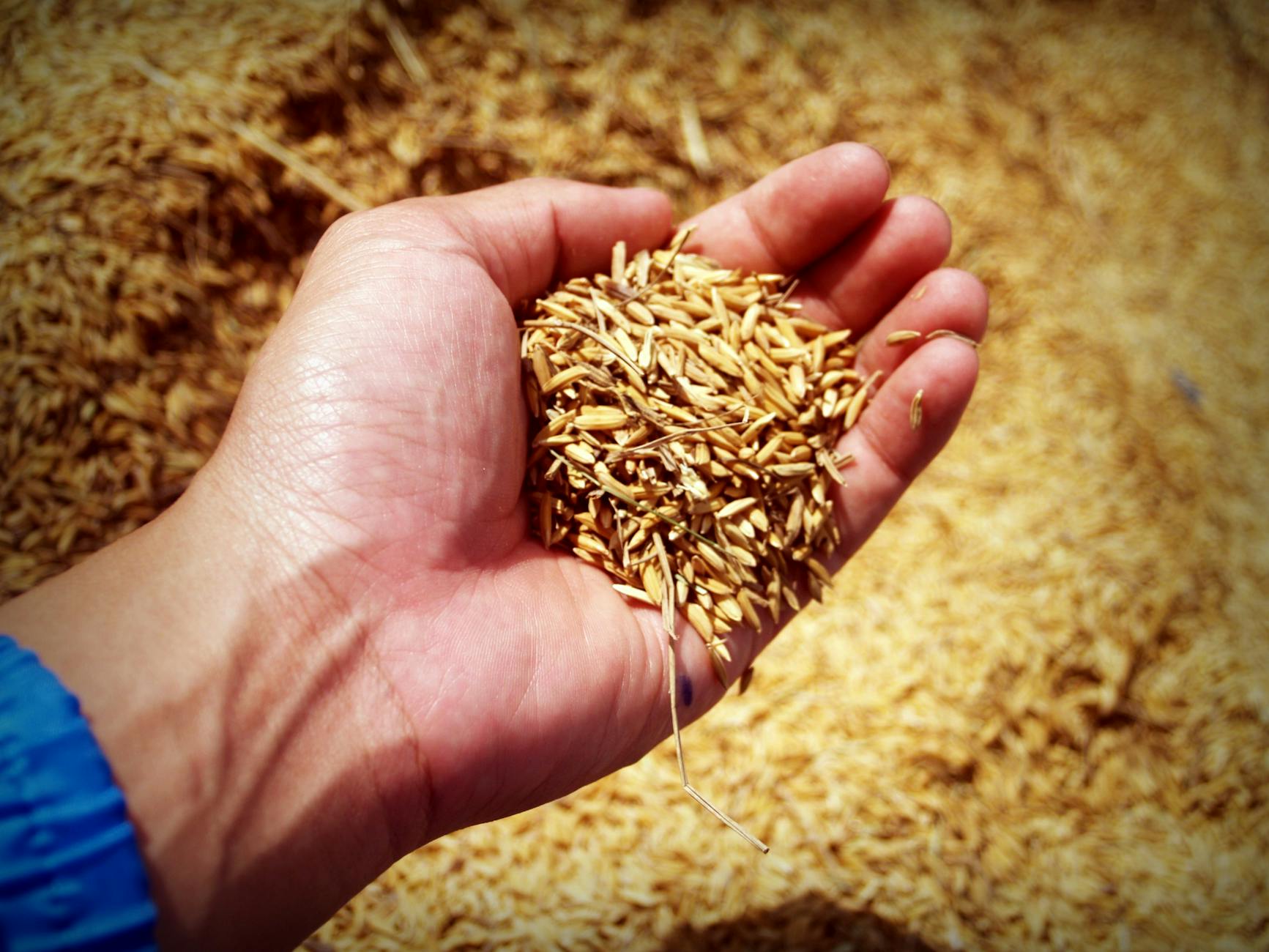
The prefecture is putting particular effort into junmai sake. Junmai is made only from rice, rice koji and water, with no added brewing alcohol. The character of the rice comes straight through in the flavour, but achieving the intended taste demands a high level of skill. Nagano has developed its own rice varieties suited to sake-making, such as Miyama Nishiki, Hitogokochi and Yamae Nishiki. The National New Sake Appraisal is the leading nationwide sake competition in Japan. In the results for the most recent three years published by the prefecture, Nagano ranked third or fourth in the country for gold awards and, for junmai sake alone, first in the country for three years running. The donations will be used for training young toji, for workshops where toji from outside the prefecture are invited to teach junmai techniques, for analysis of raw materials used in the prefecture’s sake, and more.
Enjoying it in Europe

When looking for Nagano sake in Europe, check the label for the word “junmai” and for the name of the sake rice variety, such as Miyama Nishiki or Hitogokochi. Shinshu sake is said to be characterised by slow fermentation at low temperatures, made possible by the cool climate. Serve it lightly chilled at first, in a white wine glass, and see what you make of the aroma and savoury depth of the rice. As of October, donations had reached only 2% of the target. Even so, the prefecture’s investment in competition results and in training the next generation is worth watching when judging the quality of Nagano sake over the coming years.
Sources
This article was written by The Sake Wire editorial team, summarising the public sources listed above. Images are our own.
Try Akita sake in the EU — from €6
180 ml tasting bottles and full-size sake, wine, beer and gin, shipped from Amsterdam within the EU.


