Seven Miyagi breweries' joint sake made entirely with prefectural rice for the first time
DATE SEVEN, the sake that seven breweries in Miyagi Prefecture make together each year, has for the first time switched to using only sake rice grown in the prefecture for its 2026 release.
Seven breweries, one sake a year
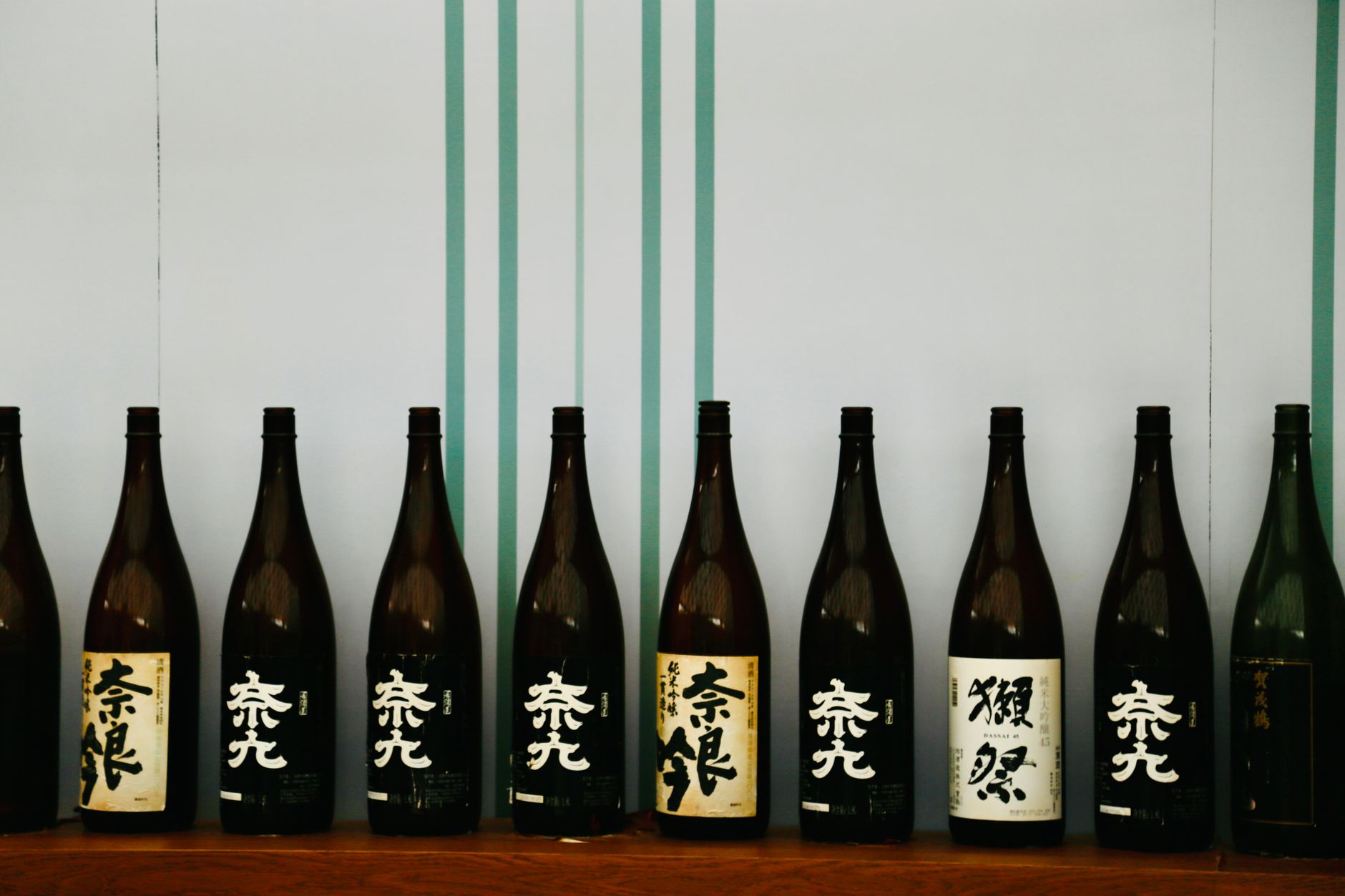
Miyagi Prefecture lies on the Pacific side of the Tohoku region, in the north-east of Japan’s main island, Honshu. Since 2015, seven sake breweries in the prefecture have jointly made one sake every year. That sake is DATE SEVEN. The 2026 release was unveiled on 2 July in Sendai, the prefectural capital, and went on sale the following day, 3 July, at specialist local-sake shops and other outlets across Japan. What sets this series apart is that breweries which normally make their own sake separately come together each year to work on a single bottle.
From Yamada Nishiki to Miyagi sake rice
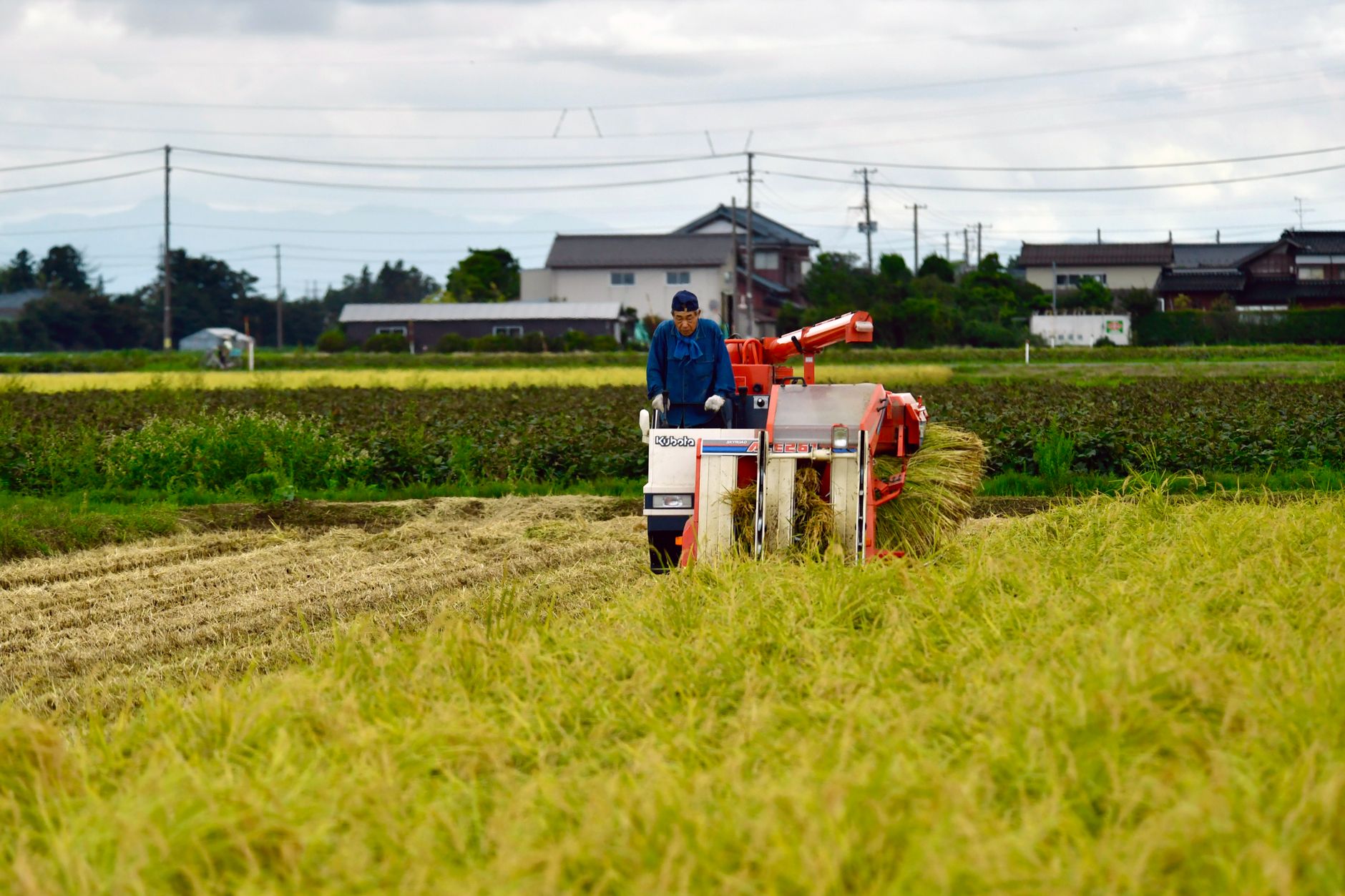
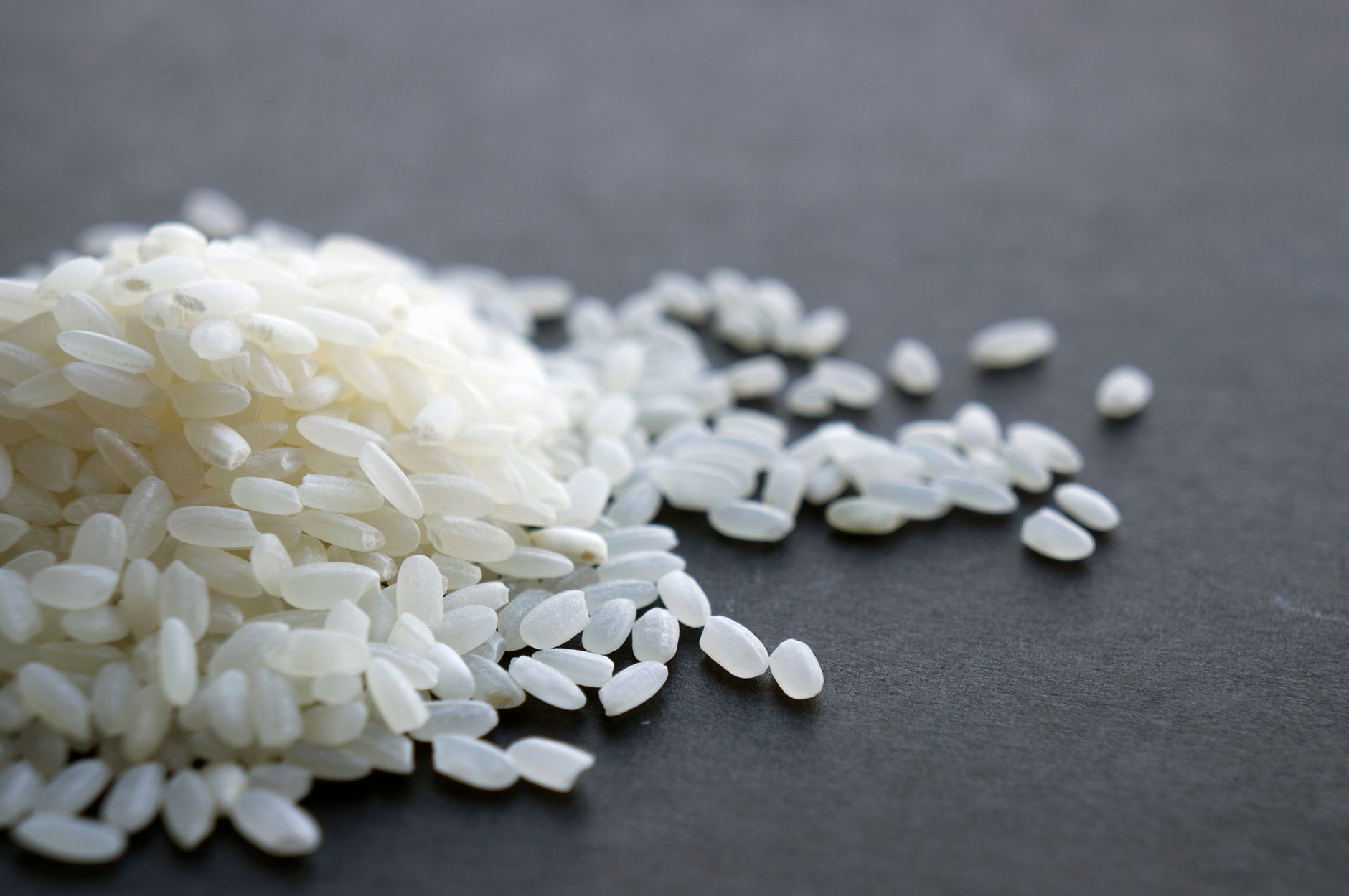
Until now, DATE SEVEN has been made with Yamada Nishiki from Hyogo Prefecture. Yamada Nishiki is the best-known of the rice varieties suited to brewing (sake rice) and is the raw material for many premium sakes. This time, for the first time, the brewers switched all of the rice to Miyagi-grown sake rice: Gin no Iroha and Kura no Hana. Yoshinori Kawana, the toji (master brewer, the person in charge of sake making) at Kawakei Shoten in Misato, Miyagi Prefecture, one of the participating breweries, says: “I want as many people as possible to taste a sake made with Miyagi rice and by human hands.”
There is background to this change. In 1986, Miyagi declared itself the “Miyagi Junmai-shu Prefecture” and has since worked to promote junmai sake (sake made only from rice, rice koji and water) brewed with local rice. Today, around 90% of the sake produced in the prefecture is tokutei meisho-shu. Tokutei meisho-shu is a higher category of sake that meets criteria on ingredients and the seimai-buai (the proportion of the rice that remains after polishing), among other things; the national average is only about 40%. Seen against this long-running effort to make high-quality sake from local rice, the switch to prefectural rice is a natural step.
How to enjoy it in Europe
DATE SEVEN is sold mainly through specialist local-sake shops in Japan, so it may be hard to find the same bottle in Europe. Even so, there is a way to enjoy this story: check the rice variety and place of origin printed on the back label. Ask importers and specialist shops whether they stock sake that Miyagi breweries have made with Gin no Iroha or Kura no Hana. Tasting them side by side with a sake made from Yamada Nishiki lets you see how the difference in rice shows in the aroma and the texture on the palate.
Sources
This article was written by The Sake Wire editorial team, summarising the public sources listed above. Images are our own.
Try Akita sake in the EU — from €6
180 ml tasting bottles and full-size sake, wine, beer and gin, shipped from Amsterdam within the EU.


