Craft gin made from the cypress of Japan's first FSC-certified forest
A craft gin distilled from the branches and leaves of Owase hinoki in Mie Prefecture has been completed, giving new value to a by-product of forestry.
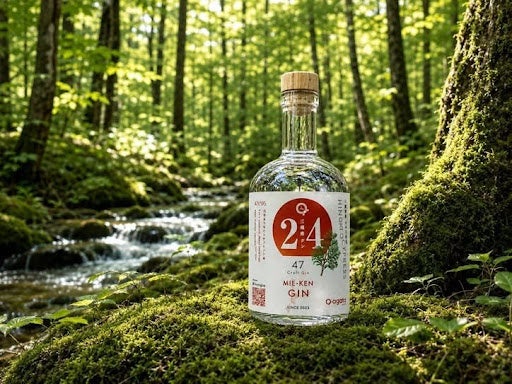
A fragrance born in Japan’s first FSC-certified forest
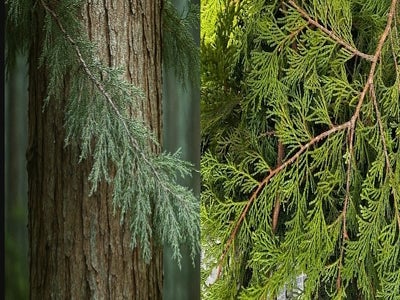
Starmark Co., Ltd. of Tokyo is running a project called “Prefecture Gin Project by agataJapan”. The idea is to make one craft gin for each of Japan’s 47 prefectures, using a local speciality as the botanical. The 21st release is “Mie Prefecture Gin”, from Mie Prefecture on the Pacific side of central Honshu. Its main botanical is Owase hinoki. Hinoki (Japanese cypress) is one of Japan’s best-known conifers, and the timber from the Owase (pronounced “Owase”) area is known for its high quality. The trees used came from the forest of Hayami Forestry in Kihoku, Mie Prefecture, which has been managed for more than 200 years. In 2000 this forest became the first in Japan to receive FSC (Forest Stewardship Council) certification. Thinning is carried out with the next 100 years in mind, and the environment of the whole forest, including the undergrowth and broadleaf trees, is protected.
Distilling the branches and leaves from forest care, not the trunks

The gin does not use the trunks that become timber. It uses the branches and leaves cut away during forest maintenance. It can be seen as an effort to turn a by-product of forestry into the aroma of a spirit. To capture the fresh scent of hinoki as it is, the makers distilled fresh branches and leaves, as close as possible to the state in which they give off their fragrance in the forest. Juniper berries, the backbone of any gin, belong to the same cypress family (Cupressaceae) as hinoki, and the two are said to blend well. According to the makers, pouring the gin into a glass releases a fresh aroma as if you had stepped into the forest. On the palate, hinoki and juniper layer together, leaving a finish like the air among the trees. It is produced by Tateyama Brewing Co., Ltd. The bottle is 500 ml at 40% ABV, and the price in Japan is 6,600 yen including tax.
How European readers might enjoy it
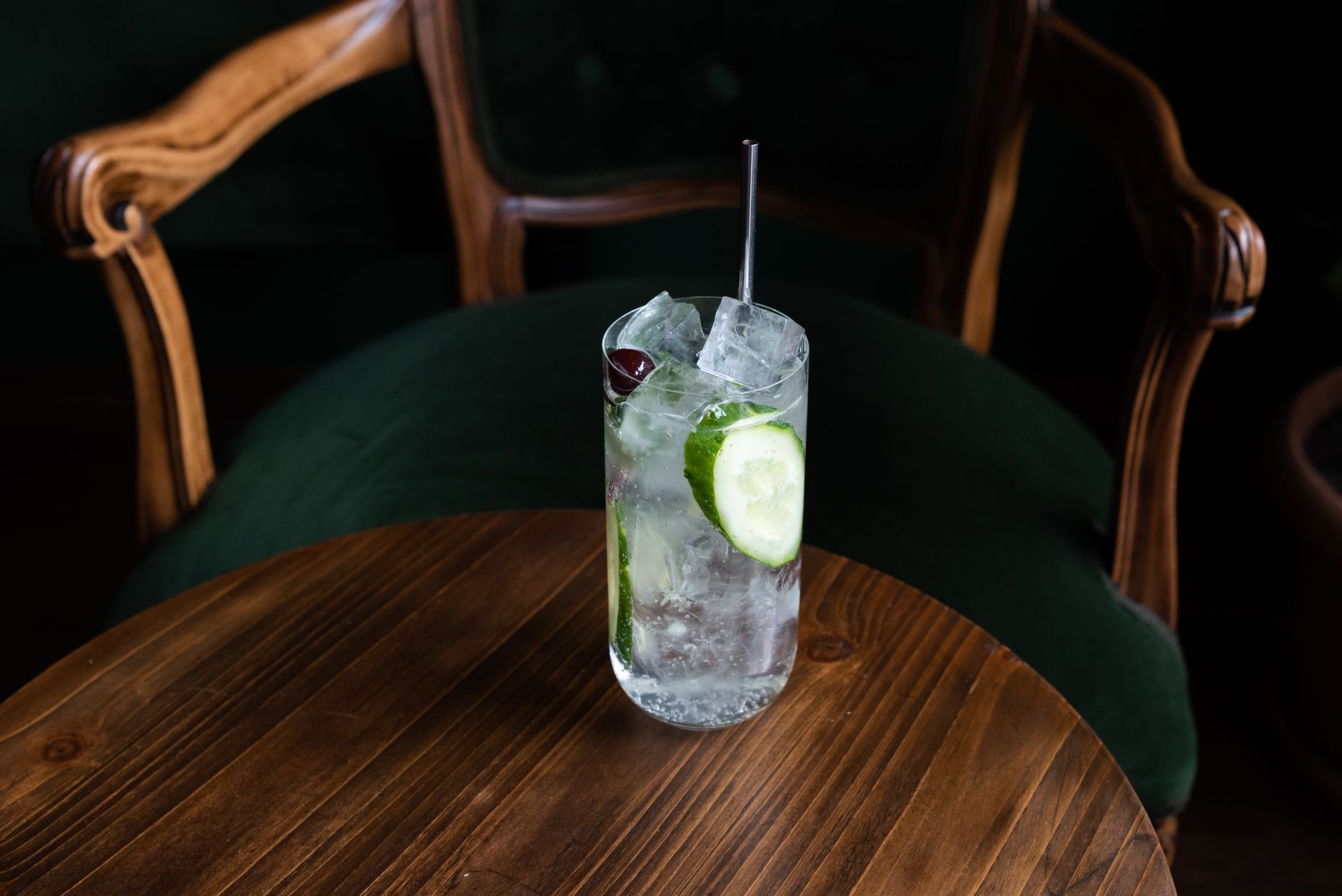
The development team recommends two ways to drink it: with soda, which opens up the aroma lightly, and on the rocks, which lets you taste the hinoki more deeply. They also suggest mixing it with a craft vinegar from Yamaji Zosu in Ise, made with yuzu and ginger from Mie Prefecture. If you want to try it in Europe, a soda mix with a little yuzu juice and ginger syrup should come close to the same mood. Sales are centred on Japanese online shops and restaurants, and expansion to other countries, including Vietnam, has been announced. However, no specific availability in Europe has been announced. What deserves attention is that the FSC certification, which is familiar in Europe too, links the sustainable management of a Japanese forest to a glass of gin. Some Japanese gins also make use of woody aromas, so tasting them side by side may reveal this bottle’s individual character.
Sources
This article was written by The Sake Wire editorial team, summarising the public sources listed above. Images are our own.
Try Akita sake in the EU — from €6
180 ml tasting bottles and full-size sake, wine, beer and gin, shipped from Amsterdam within the EU.


