Off-Spec Dassai Reborn as Gin: LAST “EN – Connection –”
A Tokyo distillery has made a craft gin from Dassai that fell short of spec and 14 food by-products, reflecting the “en” (connection) at the heart of Japan's food culture.

Within the world-famous sake brand Dassai, an effort to give new life to sake that fell short of product specifications has taken shape. LAST, the gin brand of Ethical Spirits, which has its distillery in Kuramae, Tokyo, released a new gin, “LAST EN – Connection –”, on 7 April 2026. It is priced in Japan at 1,500 yen for 200 ml and 3,500 yen for 700 ml. Its base is a “sake spirit” distilled from off-spec Dassai. The bottle shows the idea of “upcycling”, creating value from materials that would otherwise have been thrown away, through Japanese gin.
Distilling sake to make the gin base
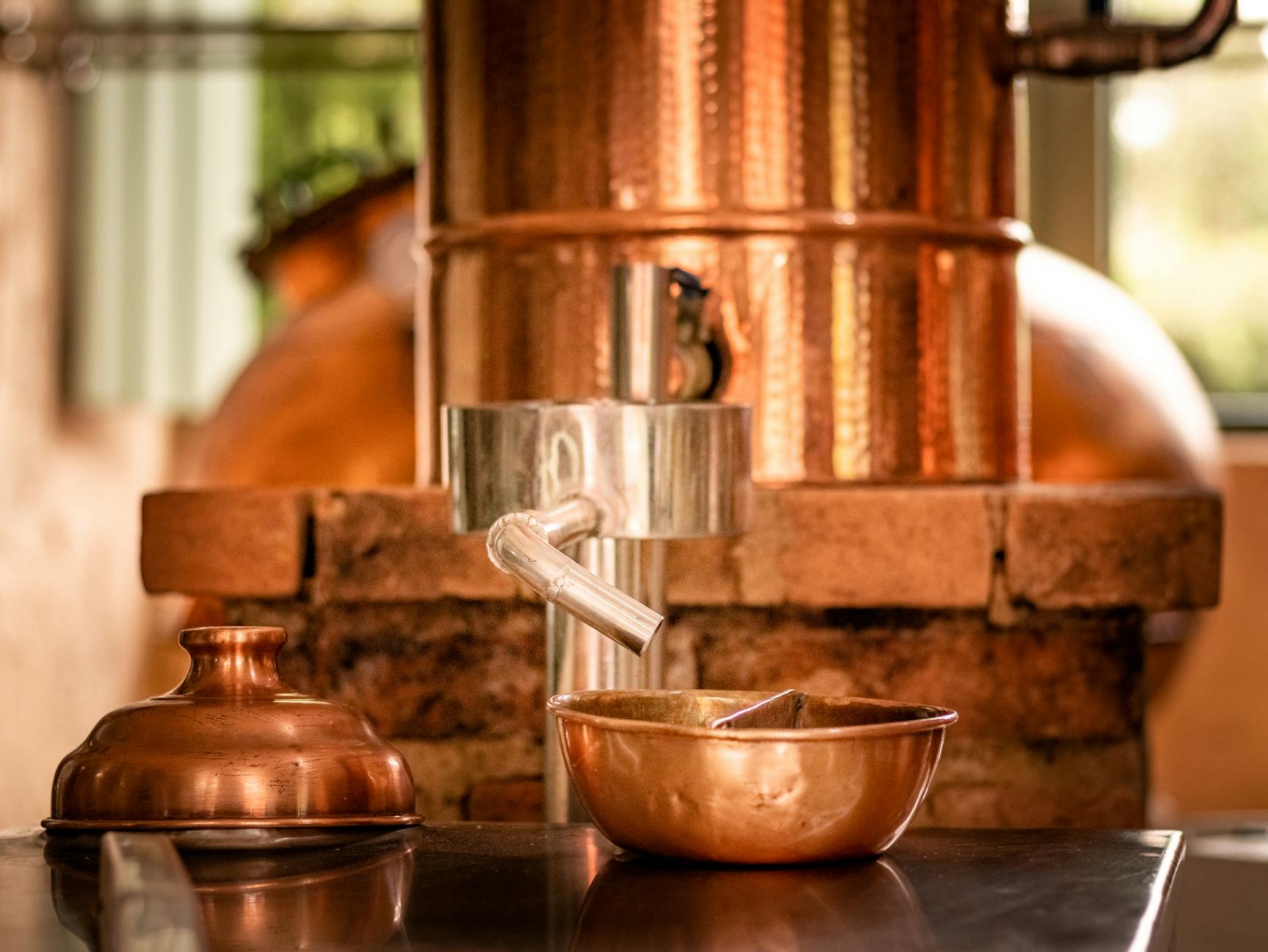
Gin is usually made by infusing the aromas of botanicals into a neutral spirit distilled from grain or similar raw materials. For LAST EN, the base is a spirit distilled from sake. Because it starts as a brewed rice drink, it is said to give a mellow, rounded depth of flavour. In Japan there is a word, “mottainai”, for regretting the waste of sake or ingredients that cannot be sold because their quality or appearance does not meet a set standard. This gin takes that way of thinking as its starting point.
14 “mottainai” ingredients and a bottle that draws connection

For flavouring, the gin uses 14 by-products supplied by Japanese companies and producers, including Japan Airlines and the House Foods Group. They include yuzu peel, green tea leaves left over after brewing, ume used for pickling, cherry blossoms, coffee grounds, ginger leaves and the stems of myoga (a Japanese aromatic vegetable related to ginger). The ingredients are mainly Japanese, and they give the gin a distinctive accent and depth. Ayumu Yamaguchi, who heads distilling, explains that the gin pours in all the “en”, the connections he has built with producers over the years. The bottle features an “enso” painted by contemporary artist NAGON, who also showed work at the 2025 Osaka-Kansai Expo. An enso is a circle drawn in a single brushstroke that expresses Zen thought. It represents the connections that bind ingredients, people and nature.
How to enjoy it in Europe
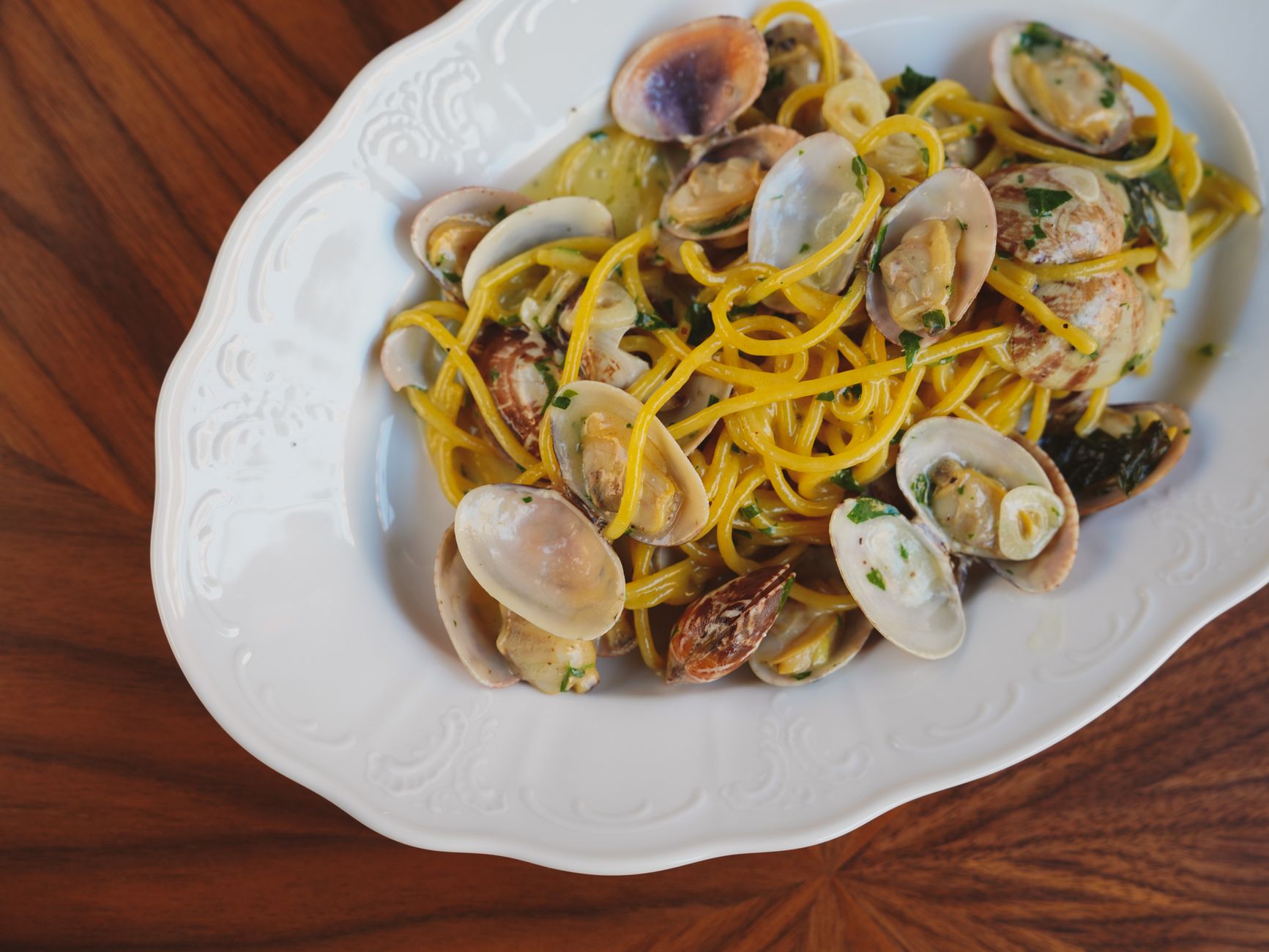
The gin is said to be distinguished by a flavour that brings out the umami of seafood. Thanks to the strong Japanese herbal notes of myoga and ginger leaves, it is said to pair easily not only with sashimi but also with Western dishes in general, such as seafood pasta. It should be an easy one to try at European tables used to North Sea seafood and Mediterranean cooking. The quickest way to find a bottle is to ask specialist shops and importers that handle Japanese gin. One approach is to taste a little neat first to appreciate the mellowness that comes from the sake, then mix it with soda to enjoy the layered aromas of the Japanese ingredients. Look at the enso on the label too, and the “en” this gin sets out to convey may feel closer.
Sources
This article was written by The Sake Wire editorial team, summarising the public sources listed above. Images are our own.
Try Akita sake in the EU — from €6
180 ml tasting bottles and full-size sake, wine, beer and gin, shipped from Amsterdam within the EU.


