Awamori distillery Kumesen Shuzo launches rice whisky made with Japanese rice
Okinawa awamori distillery Kumesen Shuzo launched OKINAWA ISLAND BLUE EMERALD, a rice whisky made with Japanese instead of Thai rice, on 24 June 2026.
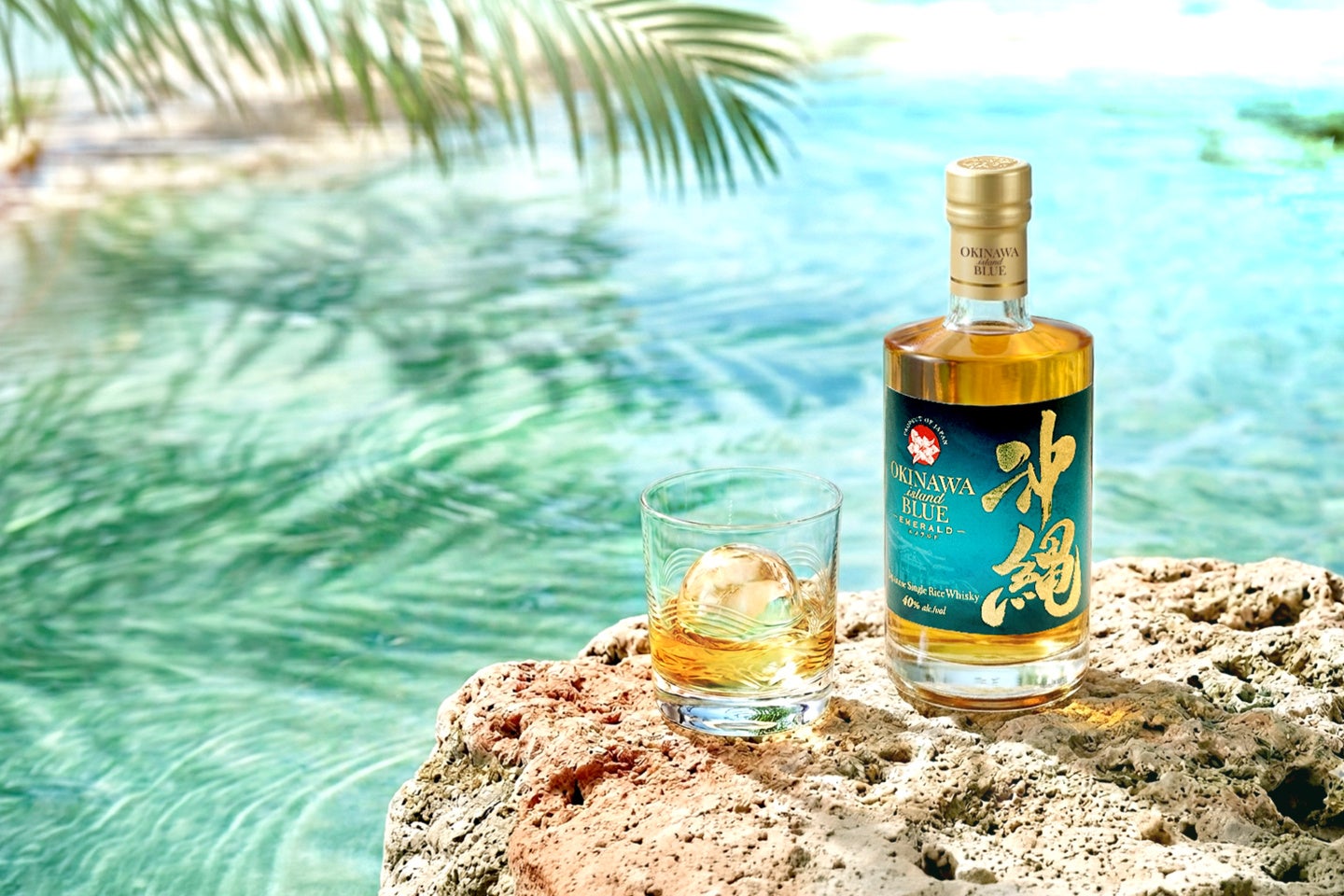
Kumesen Shuzo, in Naha, Okinawa Prefecture, is a distillery founded in 1952. Its mainstay is awamori, Okinawa’s traditional rice spirit. On 24 June 2026 the company launched OKINAWA ISLAND BLUE EMERALD, a rice whisky made from rice grown in Japan. The OKINAWA ISLAND BLUE series had until now been made with Thai rice; this time the raw material was switched to Japanese rice. It is a bottling designed to test how a change of ingredient alters the flavour.
Why the switch from Thai rice to Japanese rice
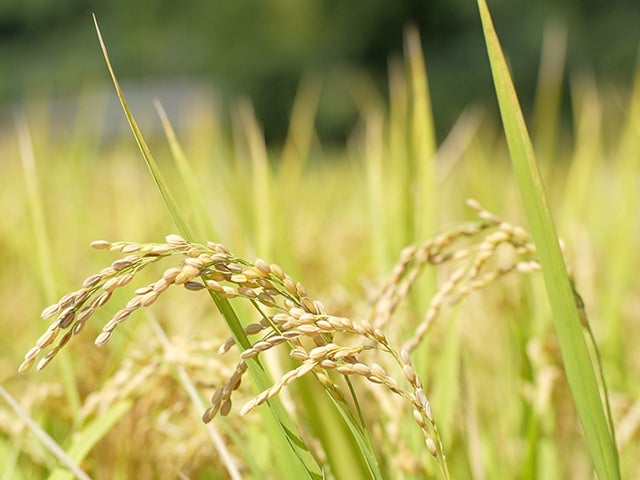
Thai rice has long been used to make awamori, and Kumesen Shuzo’s rice whisky had also been made with it until now. In its pursuit of a whisky with a distinctly Okinawan character, the distillery says it began to pay attention to how the raw material changes the taste. This time it used Japanese rice, aiming to bring out more strongly the gentle sweetness and smooth mouthfeel typical of rice whisky. The name “EMERALD” is taken from the vivid green of the Okinawan sea.
Spanish oak casks and subtropical maturation
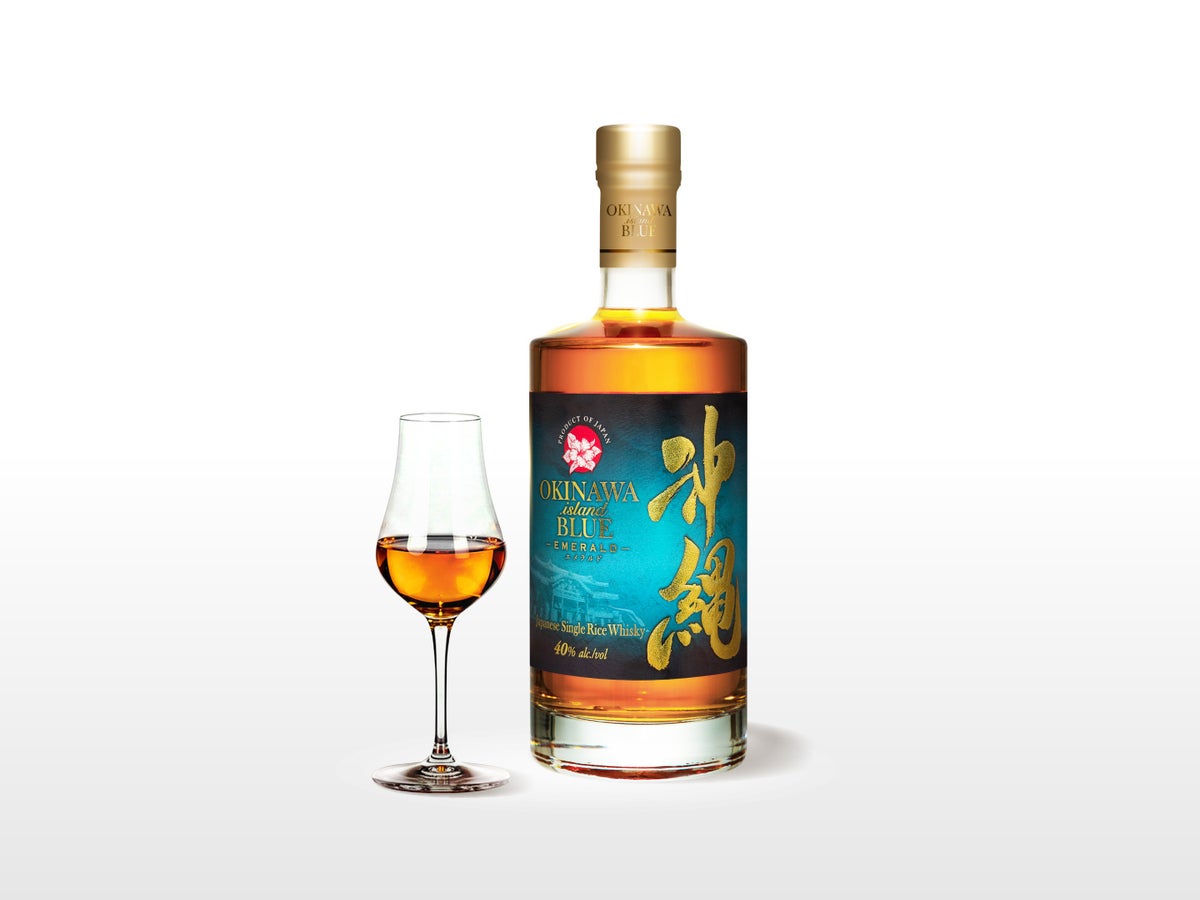
The whisky is matured in Spanish oak casks. Okinawa has a hot, humid subtropical climate, in which the influence of the cask appears faster and goes deeper than in colder regions. According to the distillery, maturation in this environment adds aroma and richness, and the spirit takes on a deep amber colour. By combining three elements, Japanese rice, Spanish oak casks and subtropical maturation, the distillery aimed for a character different from earlier releases in the series. It is bottled at 40% ABV in a 700 ml bottle, priced at 5,445 yen including tax in Japan.
Tasting notes
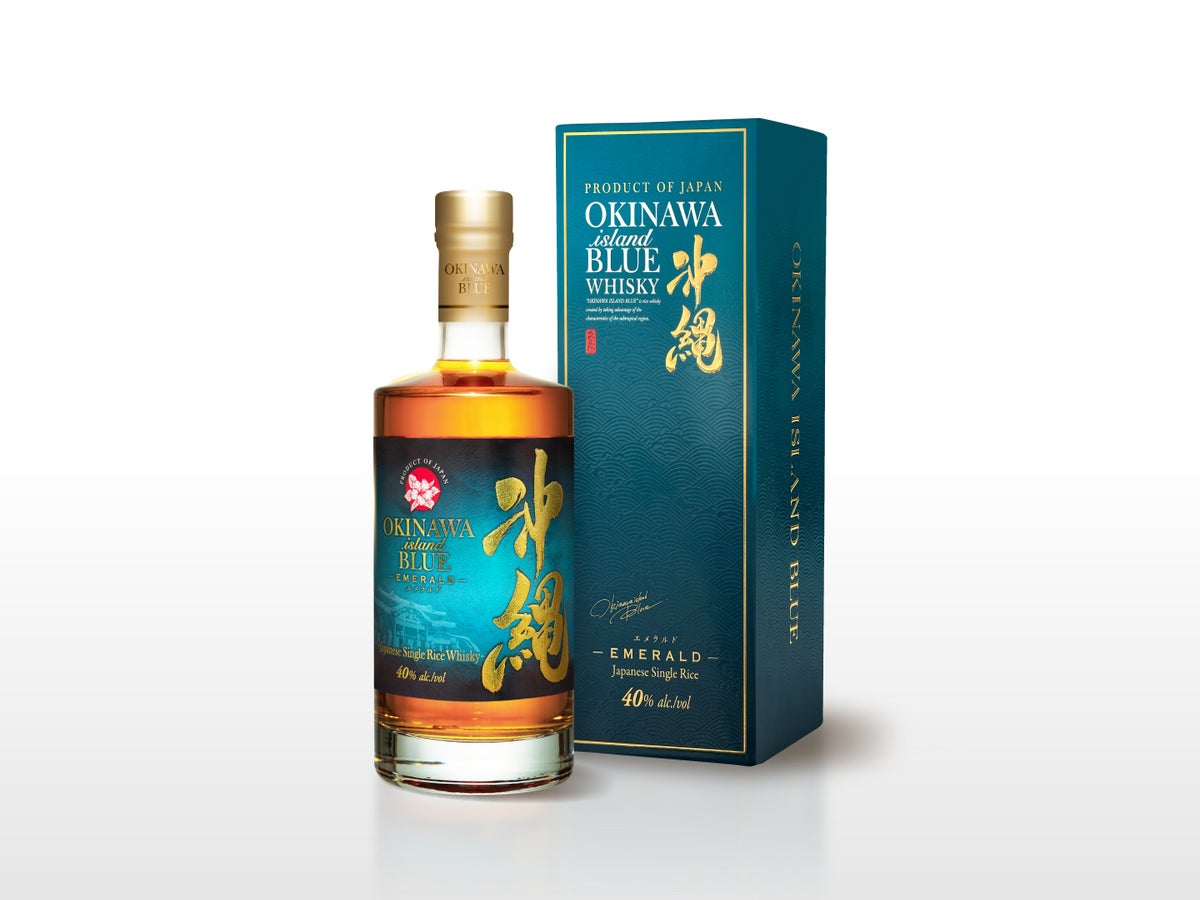
According to the distillery’s tasting notes, the nose is sweet, with banana and milk chocolate, and fruity grape-like notes emerge over time. On the palate, a banana-like sweetness leads, followed by calm flavours of smoked green tea and strongly brewed black tea. Orange oil and brown sugar nuances join in, along with an exotic impression reminiscent of damp aromatic wood and incense. The finish layers the sweetness of bitter chocolate and vanilla with tea-like astringency and a bittersweet citrus note, leaving a final trace of cocoa powder.
What European readers may find interesting is that an awamori distillery is trying to express differences in rice origin within the international category of whisky. At the time of the announcement it was sold only through online shops in Japan and the company’s own stores in Okinawa and Tokyo, and no European release had been announced. If you come across a bottle imported by a Japanese specialist shop or at a whisky fair, try it neat first. A little water should open up the banana and tea aromas further. Tasting it alongside a Scotch matured in sherry casks should make the differences in grain and in maturation environment easy to appreciate.
Sources
This article was written by The Sake Wire editorial team, summarising the public sources listed above. Images are our own.
Try Akita sake in the EU — from €6
180 ml tasting bottles and full-size sake, wine, beer and gin, shipped from Amsterdam within the EU.


