Two kimoto sake designed to pair with tuna sushi
Kokonoe Saika of Wakayama teamed up with a taste-data specialist to design kimoto sake for tuna sushi in two directions: a “wine style” and a “sake style”.

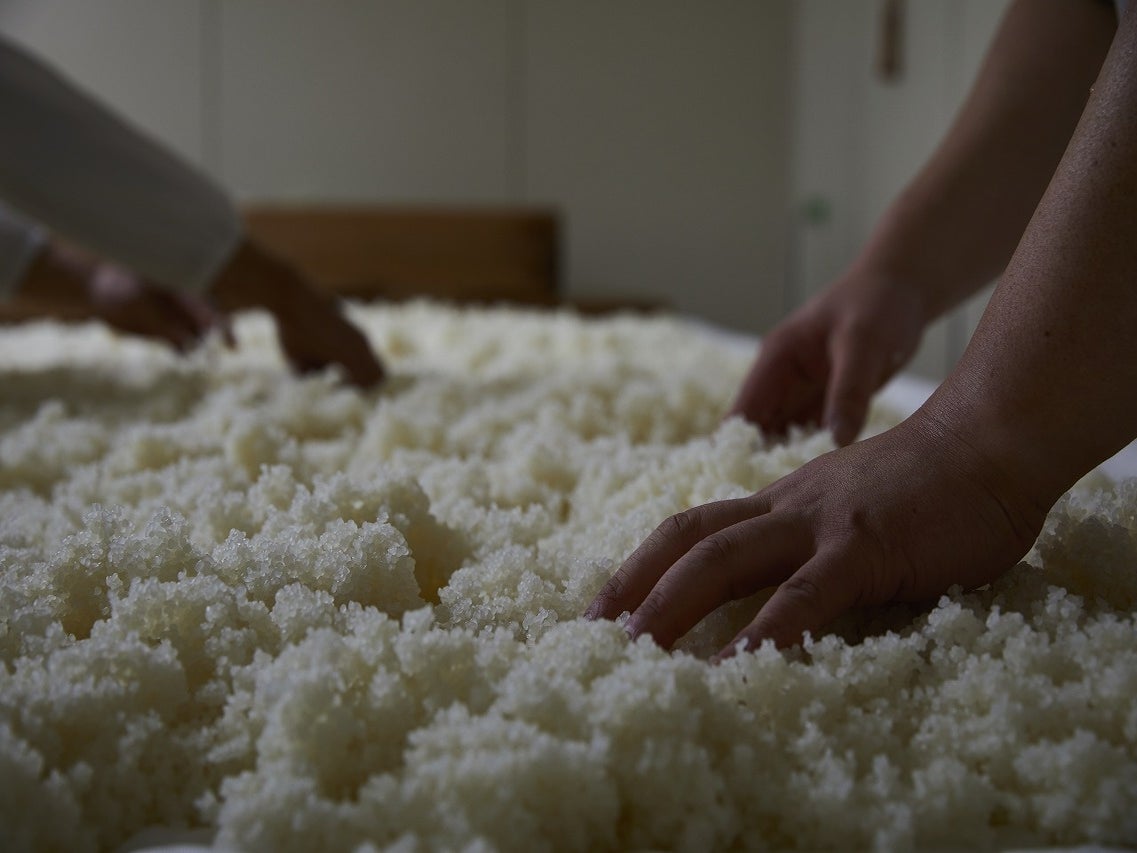
Kokonoe Saika, a sake brewery in Wakayama Prefecture, and Mikaku Kaori Senryaku Kenkyusho, a Tokyo company that analyses taste data, have jointly developed two sakes designed to pair with tuna sushi. Both are brewed using kimoto, the traditional method of making the yeast starter (the source of fermentation) by patiently cultivating natural lactic acid bacteria. They are due for release in mid-November 2026. On 8 October, a presentation for overseas distribution and restaurant professionals was held in Tokyo.
An idea born in the land of red vinegar and tuna
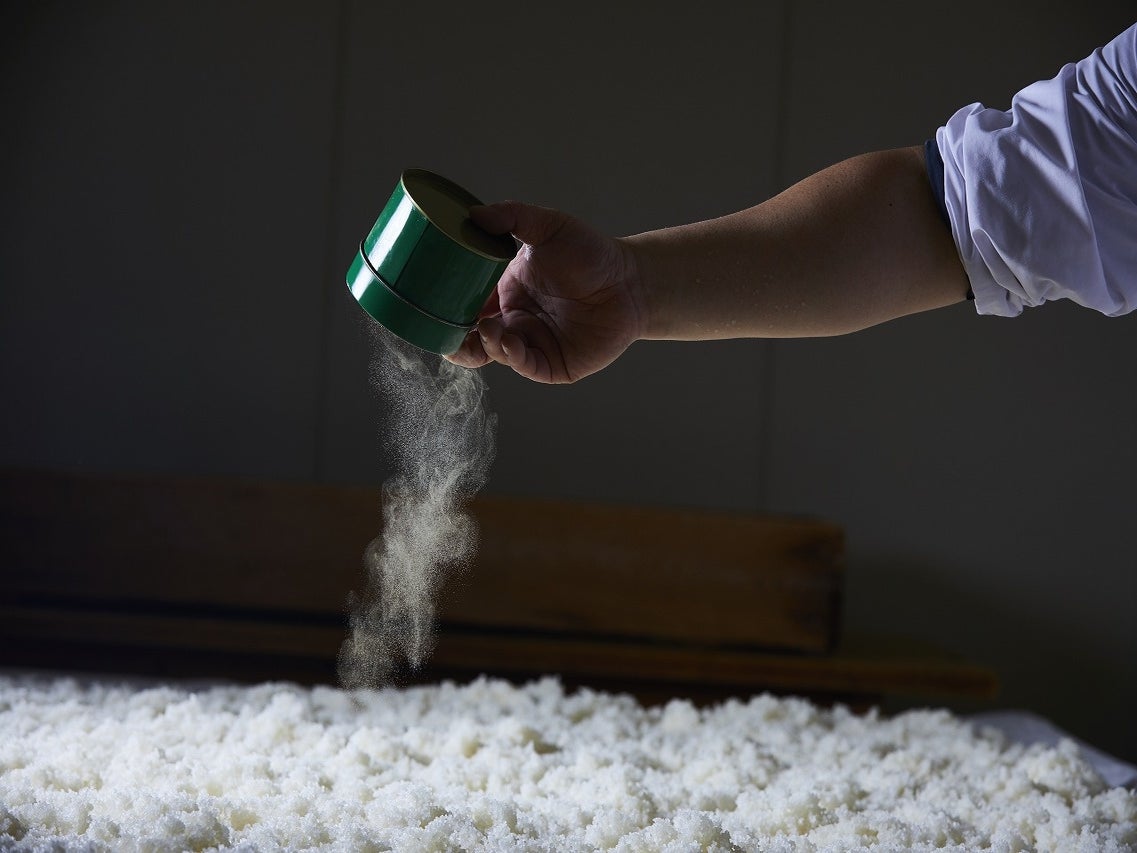
Kokonoe Saika was founded in 1908 as a producer of red vinegar (akazu). Made from sake lees, red vinegar is used for the shari (sushi rice) in Edo-mae sushi. The company has also brewed sake since 1934, which makes it a rare producer of both red vinegar and sake under one roof. It obtained kosher certification in 2021 and halal and vegan certification in 2023, and has put considerable effort into exports. Wakayama Prefecture, where the brewery is located, is home to Katsuura fishing port, which lands more fresh tuna caught by longline than any other port in Japan. Combining these local strengths of sushi, tuna and sake brewing, the two companies settled on “tuna sushi” as their theme.
Sake and wine compared through data
Using a taste database of more than 150,000 entries and its own patented pairing-analysis method, Mikaku Kaori Senryaku Kenkyusho compared several sakes and wines paired with tuna sushi. Sensory evaluation, including aroma, showed that sake stretches out the umami of the tuna for longer, while wine builds the centre of gravity of the flavour with richness and body, letting the diner enjoy the aftertaste.
The two bottles below came out of these results. The “Global Style” Saika Magoichi Junmai Daiginjo Kimoto-zukuri has wine-like richness and body, with a dry taste that leaves no sweetness behind. Junmai daiginjo is one of the top grades of sake, made with rice polished down to half or less of its original size and with no added brewing alcohol. Its domestic price is 50,000 yen (excluding tax) for 720 ml. The other, the “Japanese Style” Saika Junmai Kimoto-zukuri, has a soft aroma and a full-bodied taste, and is designed to soften the characteristic smell of seafood so that it becomes one with the sushi. It costs 3,000 yen for 720 ml and 1,500 yen for 300 ml (both excluding tax). Both have an alcohol content of 15%.
How to enjoy them in Europe

At present, neither the release date nor the price in Europe has been announced. However, the fact that a presentation was held for overseas buyers suggests that the products are intended for export. Even if you cannot get hold of these two bottles, you can still try the idea. Pour a kimoto junmai sake and a full-bodied wine alongside tuna sushi and compare them. By noting how long the umami lasts with the sake and how the aftertaste changes with the wine, you can check for yourself the differences the two companies captured in their “data”.
Sources
This article was written by The Sake Wire editorial team, summarising the public sources listed above. Images are our own.
Try Akita sake in the EU — from €6
180 ml tasting bottles and full-size sake, wine, beer and gin, shipped from Amsterdam within the EU.


