Kanosuke and Saburomaru: a bottle born from swapping new-make spirit
Kanosuke Distillery in Kagoshima has launched a series in which it swaps spirit with other distilleries, and the first release is a blended malt made with Saburomaru Distillery in Toyama.

Kanosuke Distillery (KANOSUKE) in Hioki, Kagoshima Prefecture, at the southern tip of Japan, launched a new series in June 2026. The “Kanosuke Collaboration Series” involves swapping spirit with distilleries in Japan and abroad to create new blends. The first release, “01 KANOSUKE×SABUROMARU”, is a blended malt that combines spirit from Saburomaru Distillery in Tonami, Toyama Prefecture, on the Sea of Japan coast. It went on sale in limited quantities on 18 June. A blended malt is a whisky made solely by mixing malt whiskies from multiple distilleries.
Mellow shochu-distillery character meets the peat of Hokuriku’s oldest distillery
Kanosuke Distillery is run by a family that has made shochu, a traditional Japanese distilled spirit, for 140 years. In 1957 it became the first in Japan to release a cask-aged rice shochu. Drawing on that experience, it opened the distillery in 2017 and has built its style around a soft, fruity “mellow” character, maturing its spirit in casks including “shochu re-charred casks”, which are casks previously used to age shochu and then re-charred. Saburomaru Distillery, for its part, has made whisky since 1952 and is the oldest distillery in the Hokuriku region. It is committed to a smoky style and is also known for “ZEMON”, the world’s first cast pot still, made using local copper-casting techniques. Both began making whisky in earnest in 2017, which also makes them producers of the same generation.
The “Mellow Meets Peated” concept
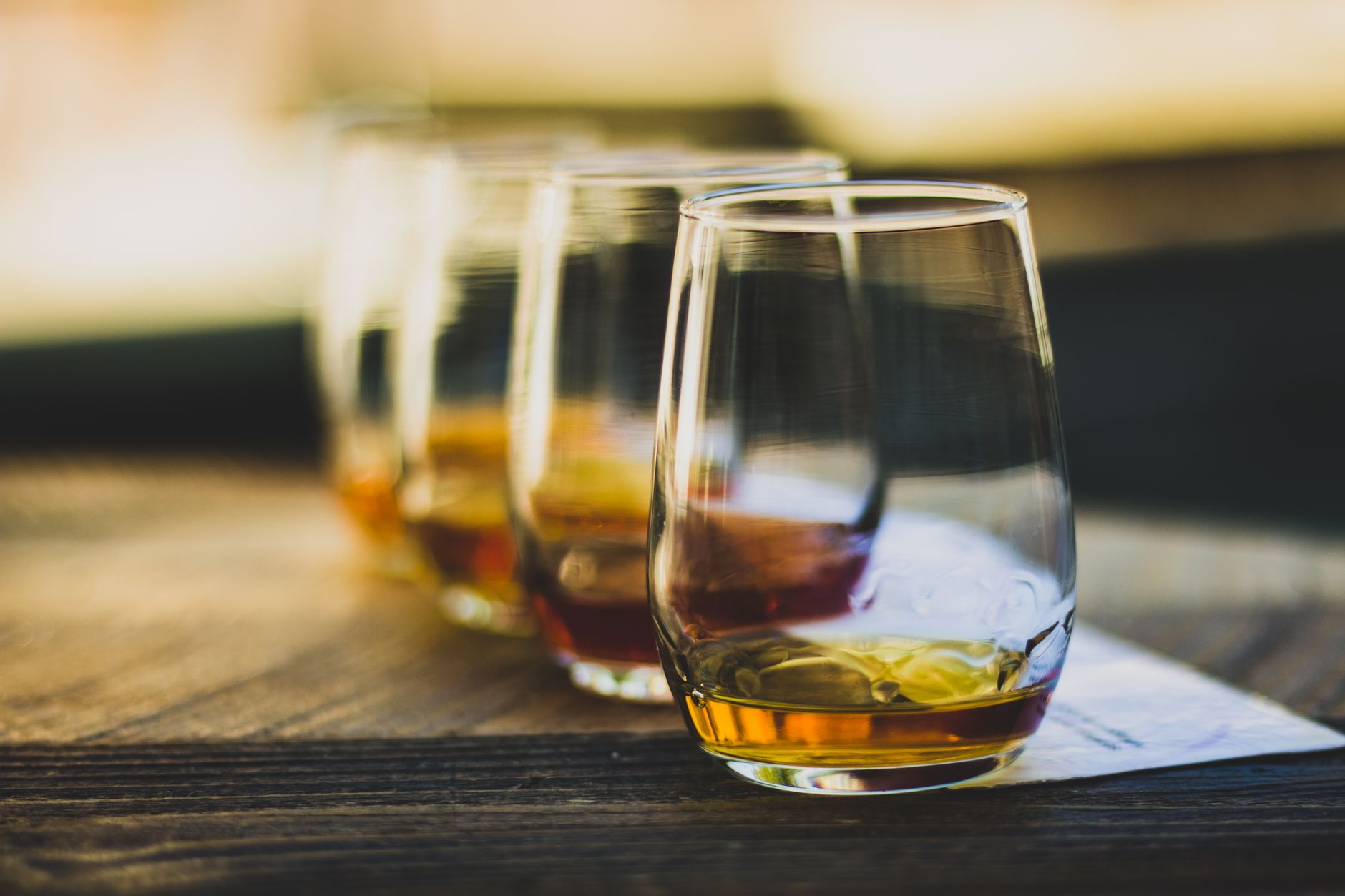
The theme is “Mellow Meets Peated”. Kanosuke’s fruity spirit forms the base, layered with Saburomaru’s well-defined peated spirit. Rather than putting peat smoke front and centre, the blend is built to harmonise it with the fruit. Yoshitsugu Komasa, founder and master blender, says the character of peated spirit varies greatly with equipment and maturation environment. He explains that the contrast between soft Kanosuke and powerful Saburomaru made it possible to reach a balance that neither could achieve alone. The official tasting notes list sea breeze, grapefruit, lychee, honey, black pepper and iodine. It is bottled at 50% ABV, with a recommended retail price in Japan of 22,000 yen (including tax).
A paired bottle

On the same day, Saburomaru Distillery also released “Saburomaru Ryuko DOUBLE DISTILLERY SABUROMARU×KANOSUKE”, born from the same spirit exchange. Here Saburomaru’s smokiness is the backbone, with Kanosuke’s sweetness adding roundness. The appeal of the project is that the same combination of spirits yields two different whiskies, depending on which distillery’s character takes the lead. The series is planned to continue with other distilleries from 02 onwards.
Neither announcement mentions sales in Europe for either bottle. Both are limited releases and more than four months have passed since launch, so availability would need to be checked with retailers. If you come across them at a specialist Japanese whisky shop, nosing the two side by side makes the differences easier to grasp. At 50% ABV, it is best to smell the whisky neat first, then add a little water to see how the sea air and fruit aromas open up. For those used to strongly peated whisky, a structure in which the smoke supports the fruit rather than leading may feel fresh.
Sources
This article was written by The Sake Wire editorial team, summarising the public sources listed above. Images are our own.
Try Akita sake in the EU — from €6
180 ml tasting bottles and full-size sake, wine, beer and gin, shipped from Amsterdam within the EU.


