Japan's Spirits Festival Puts Sake Brewery Gin and Rice Whisky in the Spotlight
The exhibitor list of JAPAN SPIRITS FESTIVAL 2026, held in Tokyo on 26–27 September, shows where Japanese spirits are heading and what to watch in Europe.
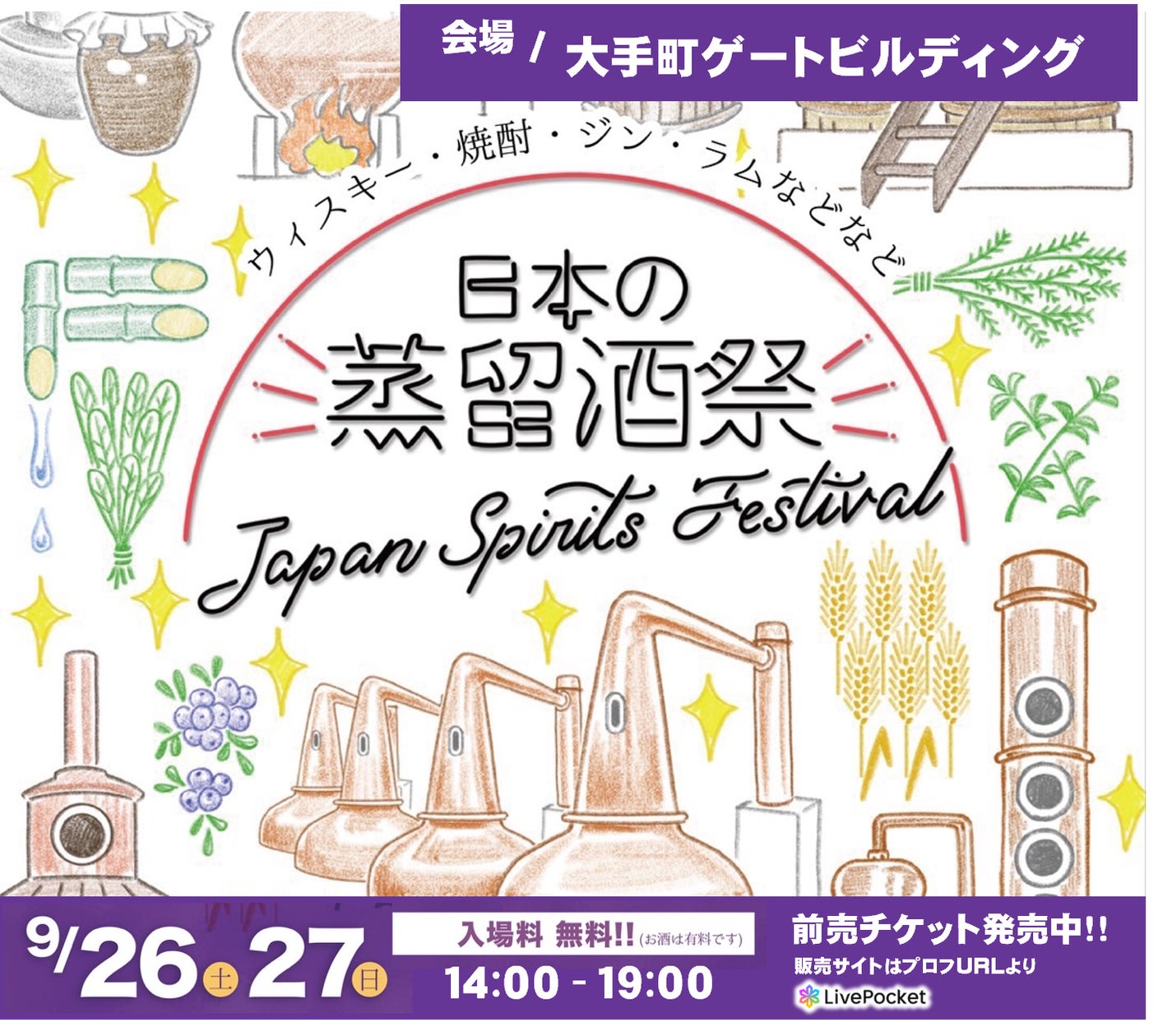
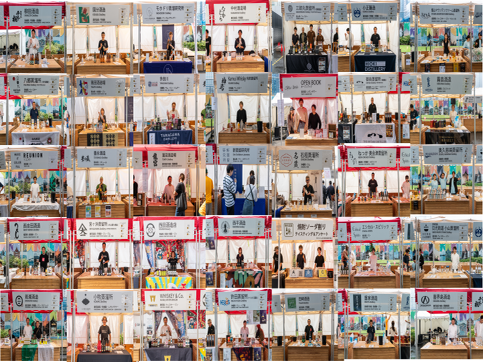
The fourth “JAPAN SPIRITS FESTIVAL”, which brings together distilleries from all over Japan, was held on 26 and 27 September 2026 at the Otemachi Gate Building, an office tower in Otemachi, Tokyo. Sponsored by the National Tax Agency, the event was free to enter, and visitors bought coins at the venue and exchanged them for tastings at each booth. The exhibitor list published in advance by the organisers ran to nearly 40 producers, from Rishiri Island in Hokkaido in the north to Okinawa in the south. Whisky, gin and rum were all there, along with shochu and awamori, Japan’s own distilled spirits. Reading the list shows where Japanese spirits are heading.
Sake Breweries’ Spirits and “Rice Whisky”
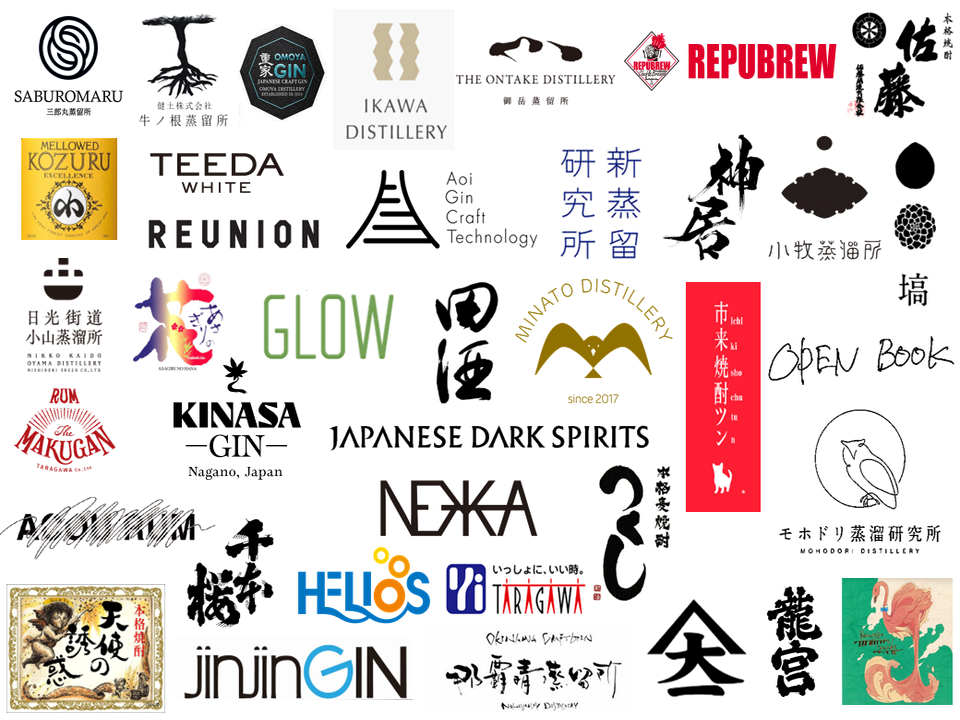
From a sake importer’s point of view, what stood out most was the number of spirits made by sake breweries. Nishida Shuzoten, known for the Aomori sake Den, showed kasutori shochu, distilled from sake lees (the solids left after sake is pressed), alongside a gin. Sake lees have long been a by-product used in cooking, and in recent years they have also been finding a role as a base for craft gin. KUBOTA GIN from Asahi Shuzo, famous for Kubota in Niigata, was displayed on a special booth gathering award-winning spirits from international competitions. A dedicated “rice whisky” booth was also set up, presenting bottles such as Hakkaisan Uonuma 8 Years from the maker of the sake Hakkaisan. It can be seen as an attempt to express rice, the raw material of sake, in the shared global language of whisky. The same award-winning booth also featured Yamazaki 18 Years, which was named “Supreme Champion Spirit”, the top award across all categories, at the International Spirits Challenge (ISC) in London.
The Diversity of Shochu, Awamori and Rum
Nearly half of the exhibitors were shochu makers. Shochu is a traditional Japanese spirit made from sweet potato, barley, rice, brown sugar and other ingredients, distilled just once to preserve the character of the raw material; Okinawa’s awamori belongs to the same family. This year, cask-aged shochu and event-exclusive bottlings were prominent. Helios Shuzo and Taragawa in Okinawa showed rum, and makers in Kagoshima showed rum and whisky, a sign that shochu distilleries are expanding into new categories. Among the gins, there were many with distinctly Japanese botanicals such as sansho (a Japanese citrusy spice), wasabi and matcha.
A Professional Time Open to Exporters Too
On both days, the hours from noon to 2 pm were set aside as “Professional Time” for industry figures such as liquor retailers, restaurateurs and exporters. The fact that the organisers expressly name exporters shows that they are looking to grow the event beyond a festival for domestic enthusiasts into a place where business gets done.
If you would like to enjoy this trend in Europe, start by looking for Japanese gin and aged shochu at your local specialist shop. Shochu opens up its aroma when served with soda or diluted with hot water, and it also works well with food. Rice whisky and spirits made from sake lees are well worth tasting side by side if you enjoy sake. Labels reading “Honkaku Shochu”, “Awamori” or “Rice Whisky” are your way into the world of Japanese spirits that filled this festival.
Sources
- PR TIMES / ジャパンスピリッツフェスティバル「【今週末9月26日27日開催!】日本の蒸留酒祭「 JAPAN SPIRITS FESTIVAL 2026 」出展メーカー・出品酒発表!東京・大手町ゲートビルディングにて開催!入場無料!」
- SAKE Street「酒粕の再利用状況を探る - 廃棄率/再利用率の統計や取り組み事例など、最新情報レポート」
This article was written by The Sake Wire editorial team, summarising the public sources listed above. Images are our own.
Try Akita sake in the EU — from €6
180 ml tasting bottles and full-size sake, wine, beer and gin, shipped from Amsterdam within the EU.


