Sake industry body holds general meeting, targeting rice supply and brewery succession support
Japan's sake industry body, with about 1,600 members, named affordable, stable rice supply and brewery succession support as key priorities.

What is the Japan Sake and Shochu Makers Association?
The Japan Sake and Shochu Makers Association (Nihon Shuzo Kumiai Chuokai) is an industry body whose members include about 1,600 producers of sake and honkaku shochu across the country. Honkaku shochu is shochu made from ingredients such as rice, barley and sweet potatoes using single distillation. The association was established in 1953 under a law, and its role is to bring together the sake brewers’ associations of each prefecture. Its work today centres on three main areas. The first is promotion to expand demand for sake in Japan and abroad. The second is support for members’ businesses, for example through the joint purchase of raw materials and supplies. The third is coordination with the authorities on liquor tax rules and procedures. Together with the National Research Institute of Brewing, a national research body, it also jointly organises the National New Sake Competition (Zenkoku Shinshu Kanpyokai), a nationwide contest held every May.
Concern over persistently high rice prices
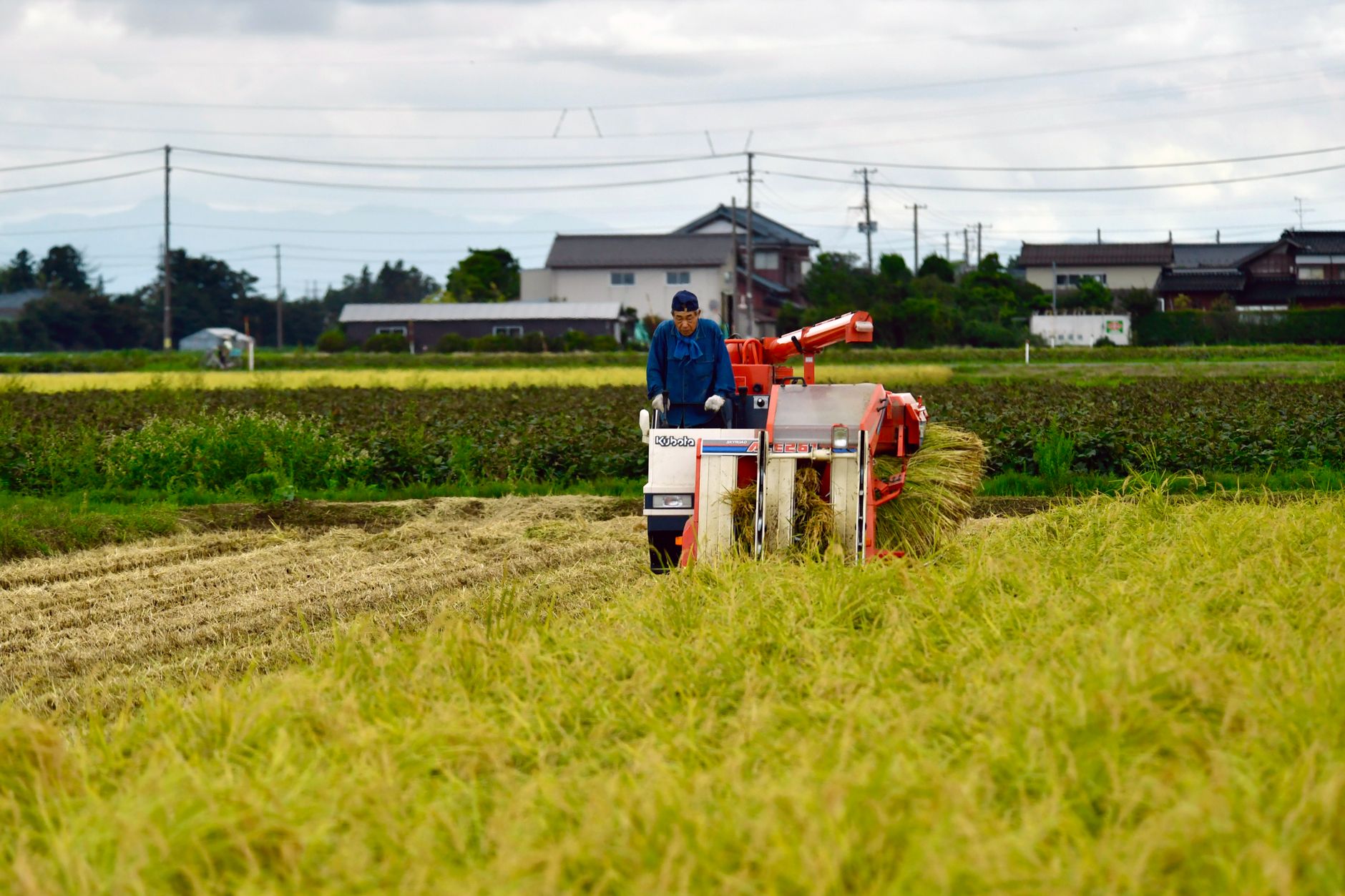
The association held its ordinary general meeting in Tokyo on 5 June. Chairman Haruhiko Okura, who is also president of Gekkeikan, a major Kyoto sake maker, spoke there about the price of rice for sake, which remains high and is not coming down. He warned that if this continues, brewers may not be able to secure the amount they need, and he asked the government to support the national policy on rice growing in paddy fields (paddy field policy) so that rice can be bought reliably at a fair price. Sake is made from rice, water and koji, which is rice on which koji mould has been grown. For that reason, the price and volume of rice directly affect both the finances of a brewery and the price of its sake.
New support for brewery succession
Okura also announced that the association plans to launch a new programme to support the succession of sake breweries. The aim is to create conditions in which brewery owners can keep their businesses going into the future. Japan has many small and medium-sized breweries that have been passed down within families for generations. How to hand them on to the next generation is a question that bears directly on whether a brewery survives. However, the specific details of the support were not given in the reports on this meeting.
These two topics are closer to home than you might think when choosing sake in Europe. If the cost of rice rises, it may eventually affect the price of imported sake as well. On the back label of a bottle or in an importer’s description, look at the rice variety used and the polishing ratio. The polishing ratio is the percentage of the rice that remains after milling; the lower the figure, the more of the grain has been polished away. In general, a lower figure tends to give a more delicate taste with fewer rough notes. This number also makes it easier to imagine how much rice went into a single bottle. Choosing and drinking sake from a small family-run brewery can also be a small way of cheering that brewery on towards the next generation.
Sources https://news.nissyoku.co.jp/news/oka20260609110016235 https://sakestreet.com/ja/media/interview-with-jss-about-sake-production-license https://sakestreet.com/ja/media/what-is-japan-sake-award
Sources
- 日本食糧新聞「日本酒造組合中央会、総会開催 原料米の安定確保へ」
- SAKE Street「日本酒の未来に向けた希望は誰が担えるのか? - 新規免許解禁について業界団体に聞いてきた」
- SAKE Street「「全国新酒鑑評会」とは?金賞ってすごいの?注目の日本酒コンテストを徹底解説!」
This article was written by The Sake Wire editorial team, summarising the public sources listed above. Images are our own.
Try Akita sake in the EU — from €6
180 ml tasting bottles and full-size sake, wine, beer and gin, shipped from Amsterdam within the EU.


