Japan's beer-category taxes merge into one in October, with happoshu rising
On 1 October 2026, Japan unified the liquor tax on beer-type drinks: beer is cut, while happoshu and 'third-category beer' go up.
One tax for “beer-type” drinks
According to a Kyodo News report carried by nippon.com, the liquor tax on beer-type drinks was unified in Japan on 1 October. Per 350-millilitre can, beer saw a cut of 9.1 yen, while happoshu and “third-category beer” saw an increase of 7.26 yen. The tax reform, which had been carried out in stages, has now reached a milestone.
A uniquely Japanese style born of tax rules

For a long time, Japan’s liquor tax set different rates for beer-type drinks depending on the proportion of malt and on the ingredients. Happoshu is a beer-like drink made with a reduced proportion of malt. Third-category beer is made either with ingredients other than malt, or by adding another type of spirit to happoshu. Both could pass their lower tax on in their prices, and so expanded their shelf space as affordable everyday drinks. With the rates now aligned, much of the reason for such large price gaps has disappeared. Which categories Japanese brewers choose to focus on from here will be worth watching for anyone following the market’s structure.
What the date of 1 October means

1 October is also a milestone for sake. The sake brewing year (BY) originally began on 1 October under the Liquor Tax Act. In keeping with this, the Japan Sake and Shochu Makers Association designated the day “Sake Day” in 1978. The start of the brewing year was moved to 1 July in 1965, but 1 October is still treated as a special day in Japan’s world of alcohol.
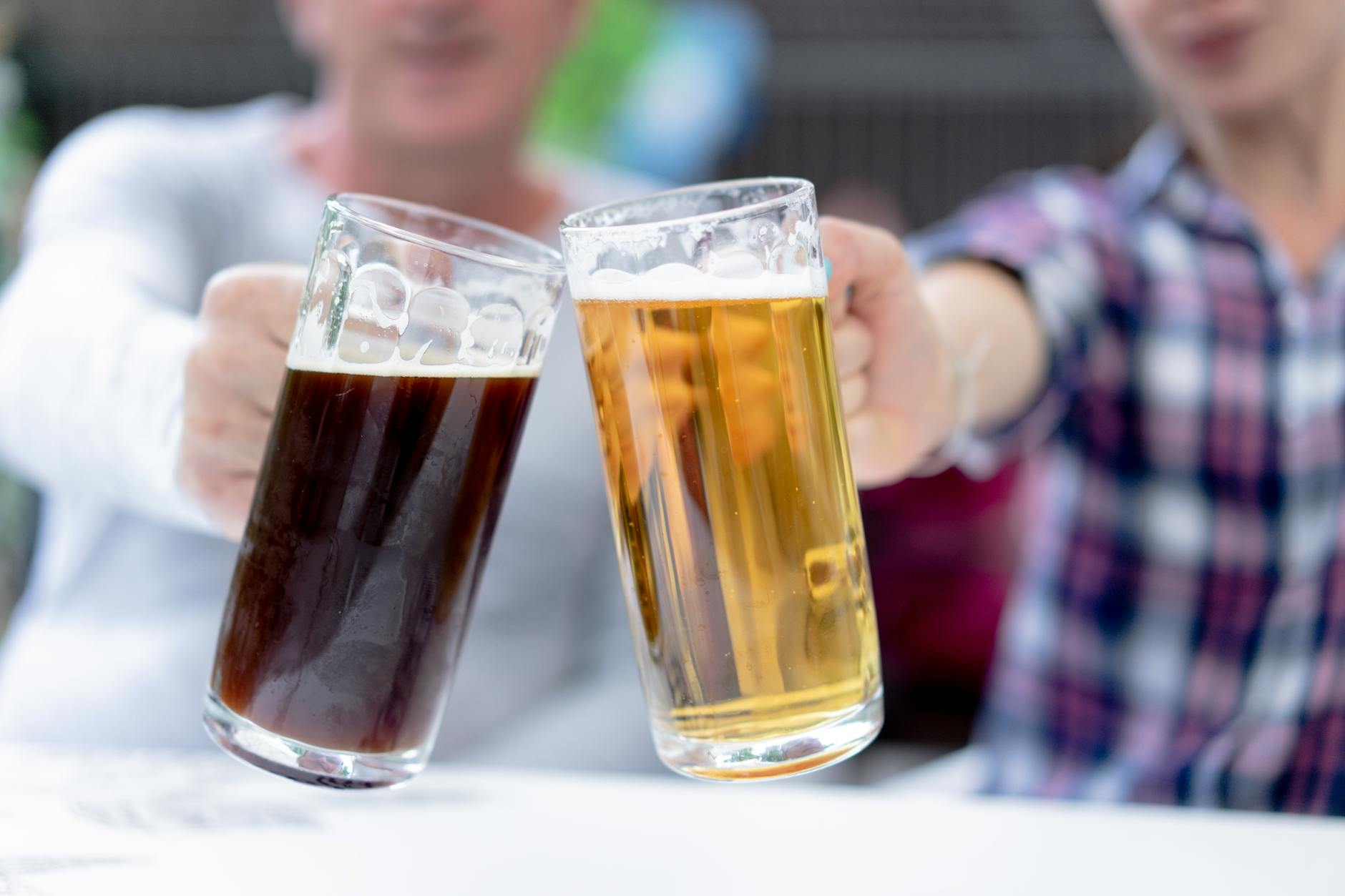
When you pick up a Japanese beer in Europe, take a look at the ingredient list on the label. Whether it is made from malt and hops alone, or includes non-malt ingredients such as rice or corn, makes a big difference to how light it tastes and how it finishes. Tasting an all-malt lager alongside a lighter style made with adjuncts lets you feel in the glass how Japan’s tax system has long shaped brewers’ choices. Pair it with salty dishes such as fried food or yakitori, and you come close to the way it has long been enjoyed in Japan.
Sources
This article was written by The Sake Wire editorial team, summarising the public sources listed above. Images are our own.
Try Akita sake in the EU — from €6
180 ml tasting bottles and full-size sake, wine, beer and gin, shipped from Amsterdam within the EU.


