Cartel Suspicions Hang Over Japan's Four Big Brewers as Fair Trade Commission Launches Raids
Japan's Fair Trade Commission has raided Asahi, Kirin, Suntory and Sapporo over suspected shipment-price coordination spanning several years, and is weighing a criminal complaint.

On 7 October, the Japan Fair Trade Commission (JFTC, Japan’s competition authority) carried out compulsory inspections of the four major brewers: Asahi Breweries, Kirin Brewery, Suntory and Sapporo Breweries. The suspected offence is a violation of the Antimonopoly Act (unreasonable restraint of trade). Jiji Press reported the news, citing people familiar with the matter, and said the JFTC is also considering a criminal complaint to prosecutors. Almost the entire Japanese beer market is held by these four companies, and attention is now turning to the structure of the industry itself.
What is suspected: moving price rises in step
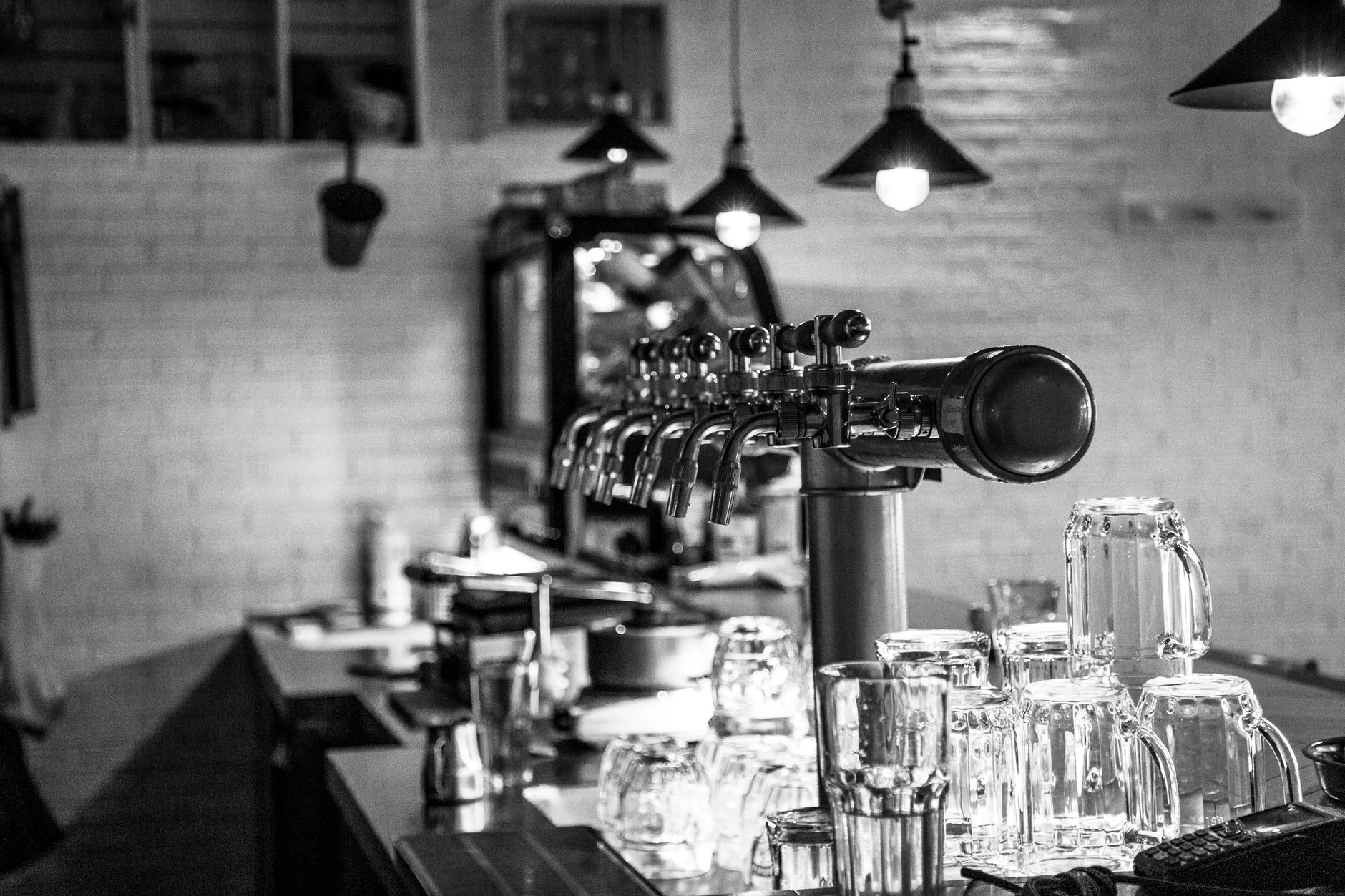
According to reports, the four companies are suspected of having coordinated the shipment prices of beer sold to wholesalers over a period of several years. The suspicion is not limited to beer. It also covers “happoshu” (low-malt sparkling alcoholic drinks) and the “third beer” (drinks made with ingredients other than malt, among other things, to reduce the tax burden). Both are categories unique to Japan that grew out of its liquor tax system. Sales section managers from the companies may have shared information on the timing and size of price increases. They are said to have met regularly in a gathering called the “Ichimokukai”, held as part of the activities of an industry association.
A possible criminal case

The investigation is based on the JFTC’s “criminal investigation” powers. These are strong powers that allow evidence to be gathered with a criminal complaint in mind, rather than stopping at an administrative penalty. This is the first time the JFTC has used them since the diesel fuel cartel case last September. At a press conference on 7 October, JFTC Secretary General Hiroo Iwanari said that price rises justified by factors such as higher raw material costs are not in themselves a problem. He stressed, however, that each company must set its prices independently.
The beer market is estimated at around 1 trillion yen and the happoshu market at around 400 billion yen. If a cartel is established, a surcharge (an administrative monetary penalty) would be calculated on the basis of sales during the period concerned, and given the size of the market it could be very large. All four companies have issued statements saying they will cooperate fully with the JFTC’s investigation.
What European readers should note
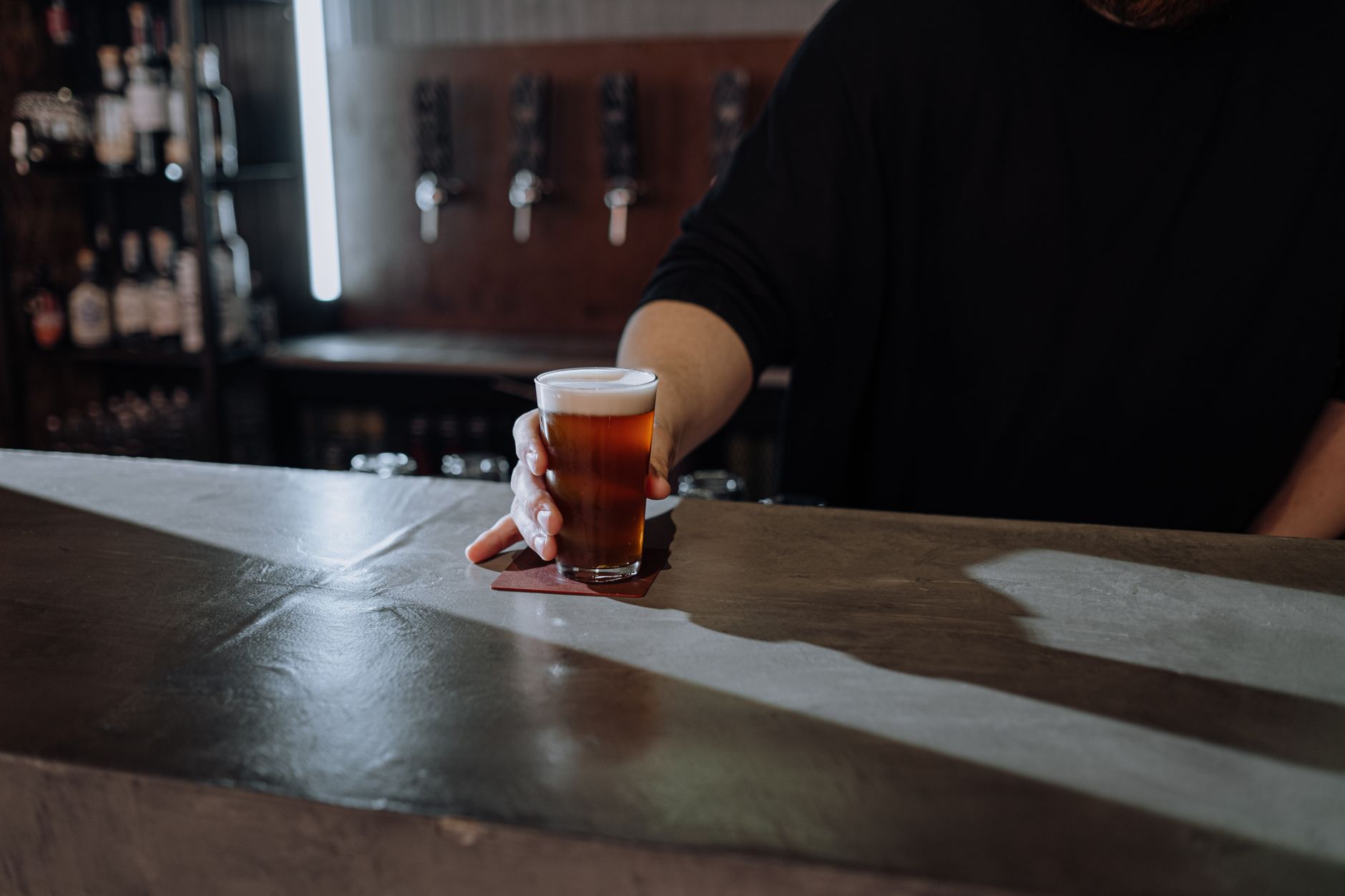
The suspicion concerns wholesale prices within Japan and, at this stage, has not been established as fact. The key questions now are whether the JFTC will actually file a criminal complaint and how large the surcharge might be. When you drink Japanese beer, it helps to know that the divisions between “beer”, “happoshu” and “third beer” stem from Japan’s tax system, which makes the differences in taste easier to understand. With the oligopoly of the big four back in the spotlight, it may be a good moment to look at Japanese craft beer and the sake of small breweries too. Doing so may give you a more rounded picture of the diversity of Japanese drinks.
Sources
This article was written by The Sake Wire editorial team, summarising the public sources listed above. Images are our own.
Try Akita sake in the EU — from €6
180 ml tasting bottles and full-size sake, wine, beer and gin, shipped from Amsterdam within the EU.


