Brewed first, dealcoholised after: non-alcoholic sake "Hayashi" arrives
Kojima Sohonten, a long-established Yamagata brewery, launched Hayashi in Japan on 15 October, a non-alcoholic sake made by removing alcohol from a brewed junmai sake.
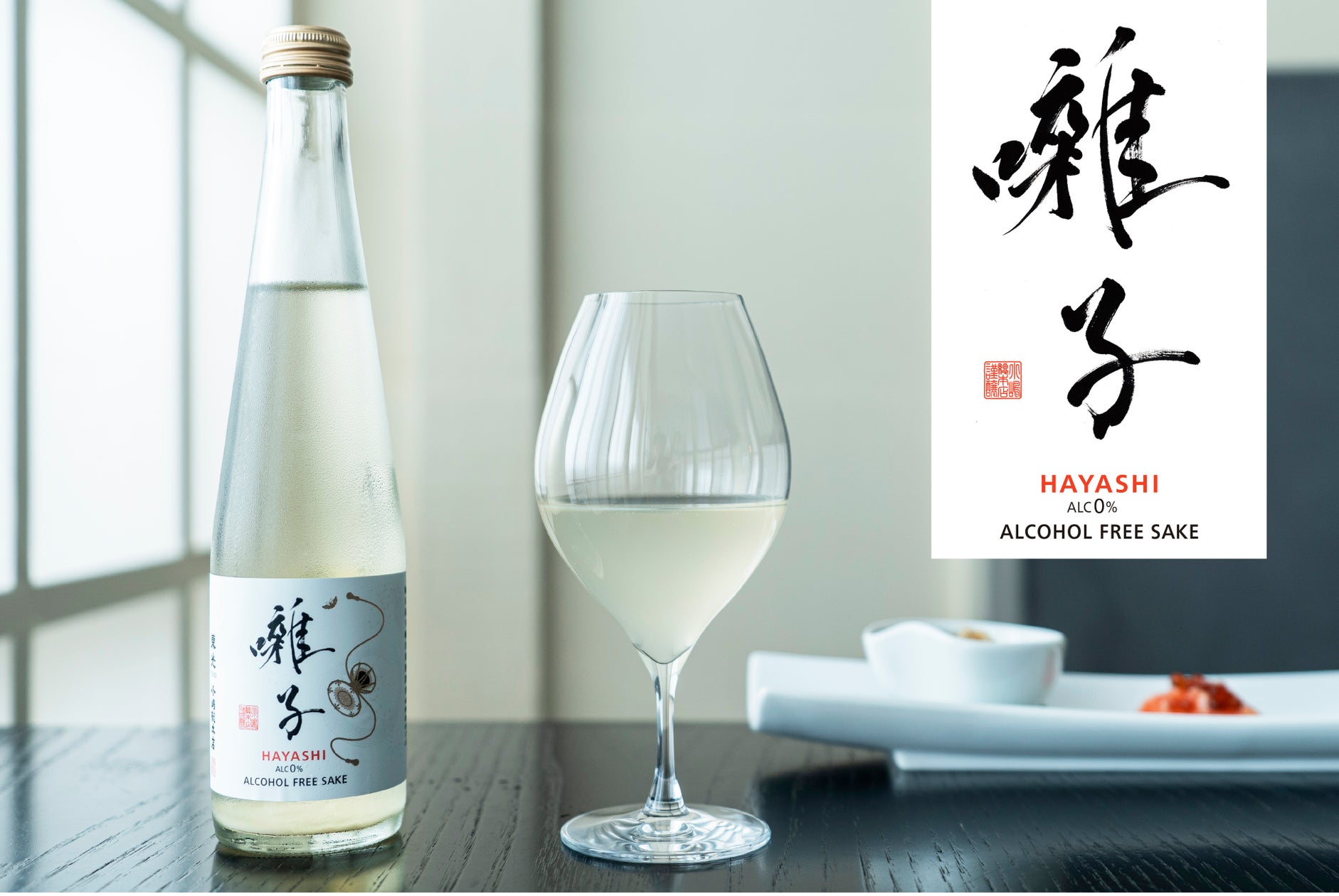
Not imitating sake, but brewing it first and removing the alcohol
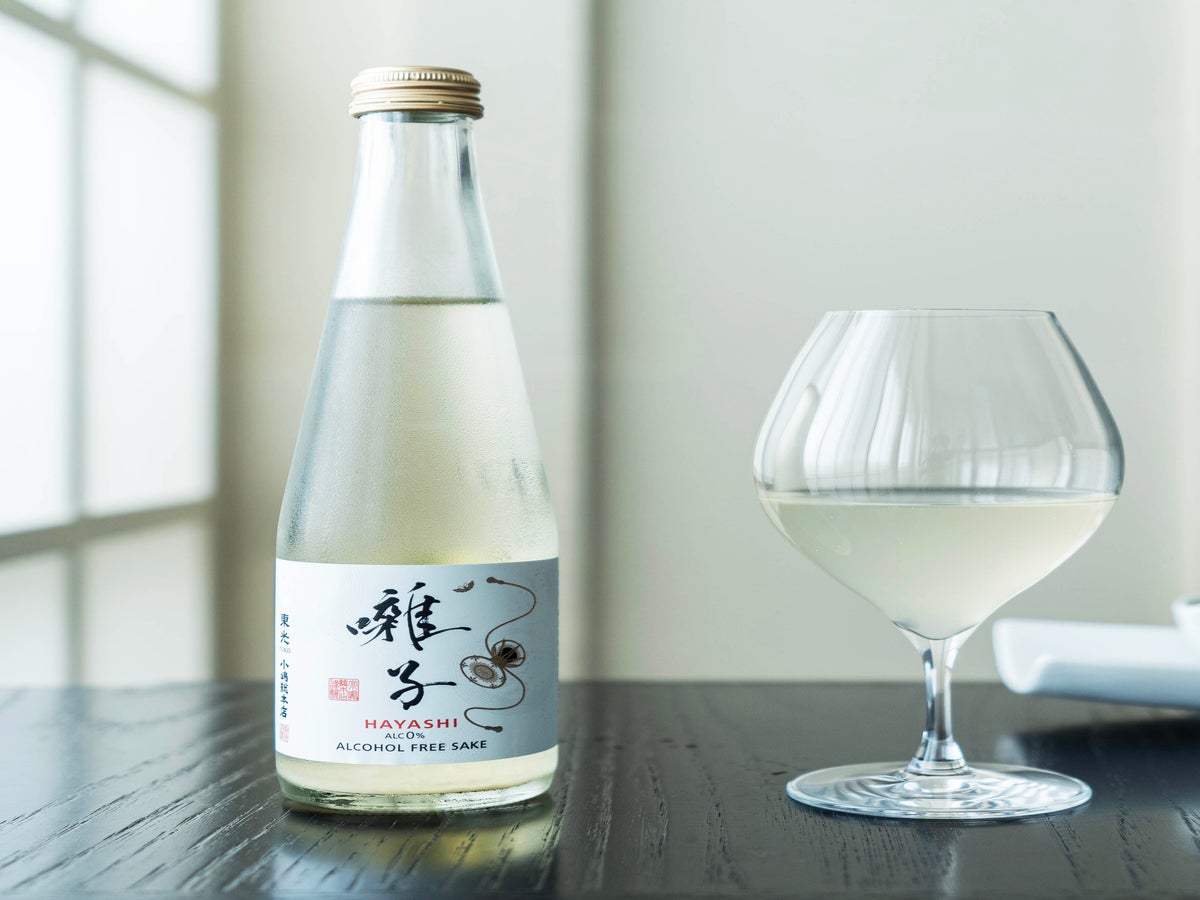
It was made by Kojima Sohonten in Yonezawa, Yamagata Prefecture (northern Honshu). Founded in 1597, the brewery is known for brands such as Toko and makes only junmai sake, to which no distilled alcohol is added. Junmai sake is sake made solely from rice, rice koji (steamed rice on which koji mould has been grown) and water. Most non-alcoholic sake until now has been a drink blended from sugars and other ingredients to approximate the taste of sake. Hayashi is different: a real junmai sake is brewed first, and the alcohol is then removed using the brewery’s own method. Dealcoholisation is a common technique for beer and wine, but based on its own research the brewery describes this as a “world first” for sake, and the process has a patent pending. Development took four years in total.
Aromas of melon and pear, with fine bubbles
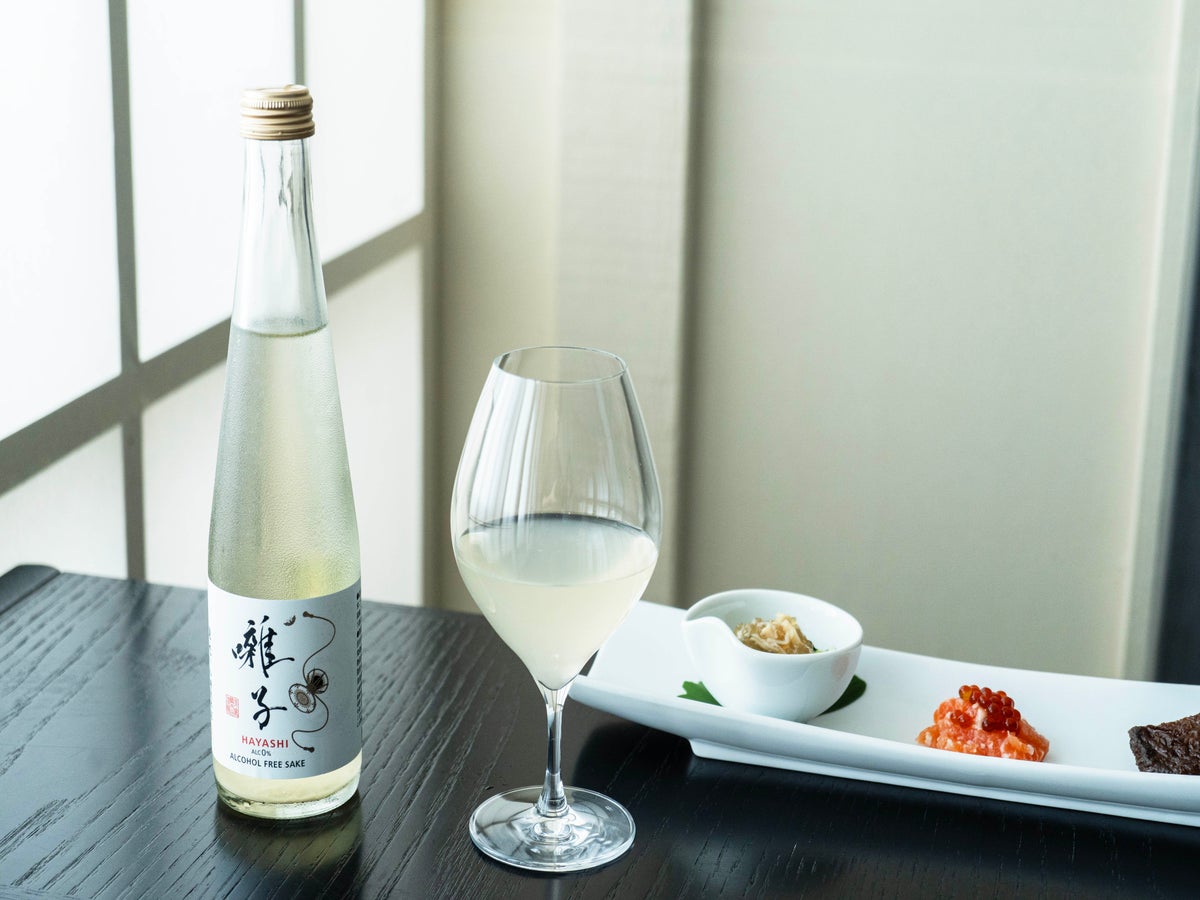
The aroma recalls ripe melon and juicy pear, close to that of a ginjo sake (sake fermented slowly at low temperature to bring out fruit-like aromas). A gentle sweetness and umami from the koji are joined by fine bubbles and a refreshing acidity. The brewery describes it as a drink built on umami, unlike non-alcoholic beer, where bitterness leads, or non-alcoholic wine, where acidity leads. At the UK’s IWSC 2026 international competition it won a bronze medal in the non-alcoholic category; according to the brewery, this is the first time a non-alcoholic sake has won a medal. Club Soda, a London shop specialising in non-alcoholic and low-alcohol drinks, also tasted it before launch and described a progression from melon to rice flavours, with a coconut-like finish.
A pour on a par with sake
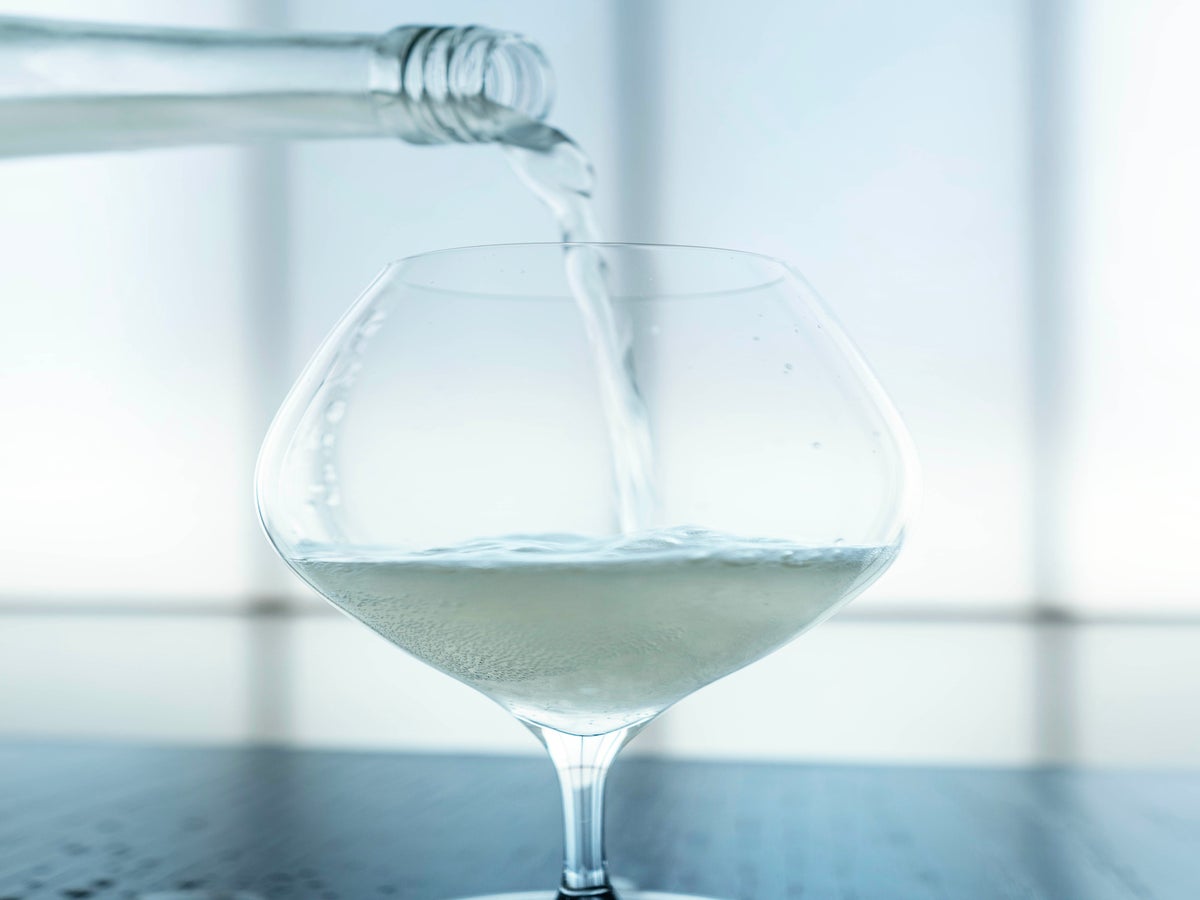
The alcohol content is below 0.1%, and under Japanese law it is classified as a carbonated drink. It comes in a 300 mL bottle and must be kept refrigerated. For now it is sold only to restaurants in Japan, through liquor retailers contracted by the brewery, with no general retail sale. The brewery envisages it being priced in line with sake and served as part of a course menu, giving guests who do not drink alcohol the same sense of satisfaction.
No launch in Europe has been announced so far. However, the brewery’s head, Kojima Kenichiro, says he conceived the idea while travelling to different countries on export business, and the pre-launch tasting by a UK specialist shop suggests the brewery has overseas markets in mind. If you come across it, serve it well chilled in a wine glass that lets the aroma open up, and try it with sushi, seafood or dishes made with dashi. The ranges of restaurants that focus on non-alcoholic pairings and of specialist non-alcoholic shops are also worth watching.
Sources
This article was written by The Sake Wire editorial team, summarising the public sources listed above. Images are our own.
Try Akita sake in the EU — from €6
180 ml tasting bottles and full-size sake, wine, beer and gin, shipped from Amsterdam within the EU.


