Former yokozuna Hakuho harvests rice for a master brewer's sake
Former yokozuna Sho Hakuho took part in the rice harvest for the sake rice used by master brewer Naohiko Noguchi's brewery in Komatsu, Ishikawa, and spoke of his hopes for next year's new sake.

From the dohyo to the paddy
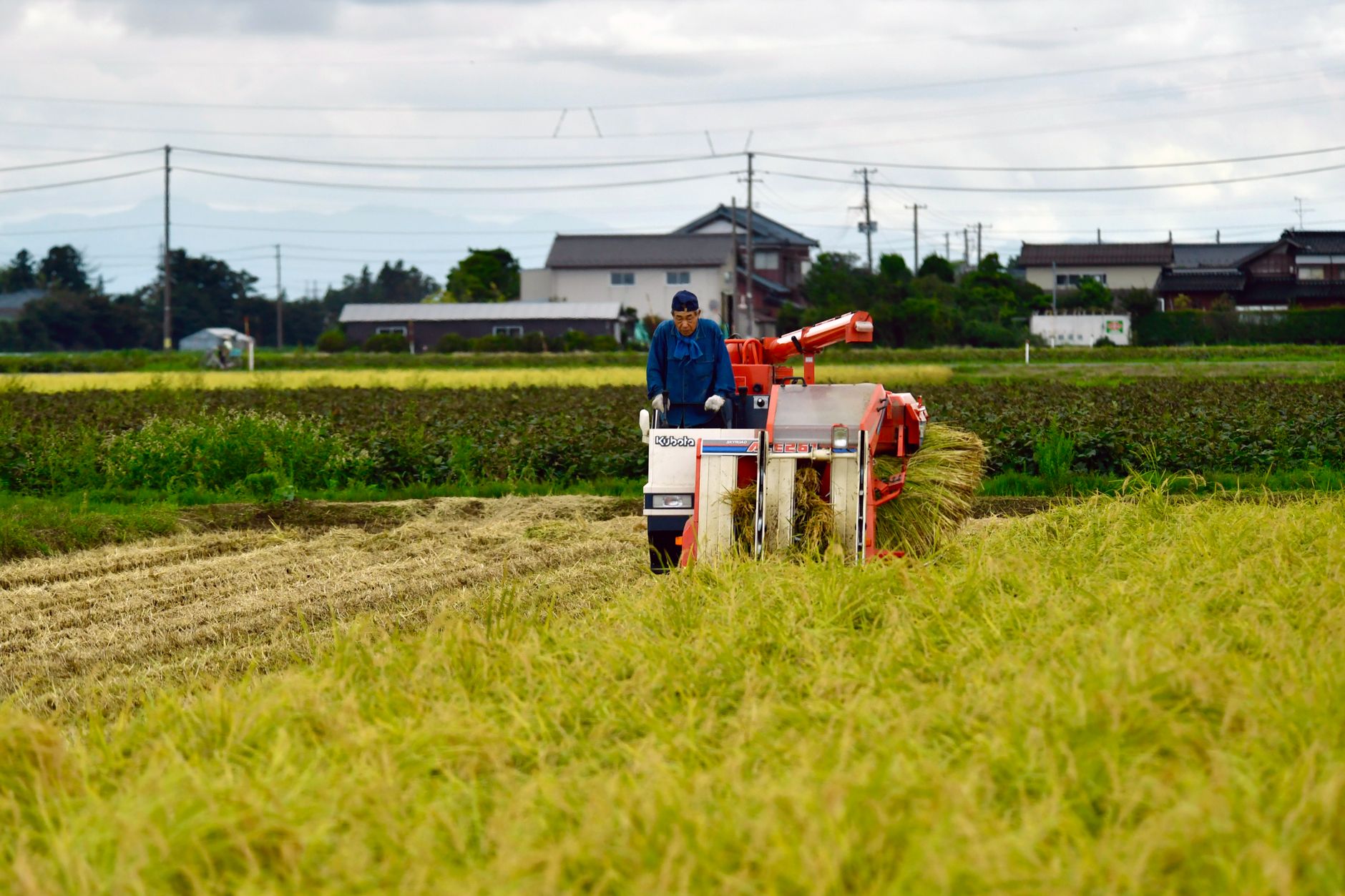
On 3 October 2026, Sho Hakuho, who held the highest rank in professional sumo, yokozuna, took part in a rice harvest in a paddy in Komatsu, Ishikawa Prefecture. Ishikawa lies in central Honshu and faces the Sea of Japan, and Komatsu is in its southern part. The rice Hakuho cut is the sake rice used by Noguchi Naohiko Kenkyujo, the brewery that bears the name of master brewer (toji) Naohiko Noguchi. A toji is the head brewer who directs every stage of production at a sake brewery. Hakuho is said to have told those present that he is looking forward to next year’s new sake made from this rice.
Sake making that begins with the rice

Sake rice (shuzo kotekimai) is a type of rice suited to brewing. Its grains are larger than those of everyday table rice, and each has a white, opaque area at its centre called the shinpaku. Rice harvested in autumn is brewed in winter, and the new sake reaches the market the following year. That is why Hakuho is looking forward to “next year”. This harvest offers a glimpse of how seriously a master brewer’s brewery takes the rice that is the starting point of its sake.
Noguchi Naohiko Kenkyujo is also a place where young brewers learn their craft. Yagyu of LIBROM Craft Sake Brewery, a craft sake brewery in Fukuoka Prefecture, is one of those who trained here. LIBROM makes sake in a new style, adding fruit and herbs as secondary ingredients, while taking care to retain the character of sake. It is an example of how the sensibility cultivated at a master brewer’s brewery is spreading into a wider variety of sake for the next generation.
Enjoying it in Europe

You don’t have to travel to Japan to enjoy this story. First, it helps to know the rhythm by which rice harvested one year becomes sake the next. When new sake appears in European shops, it may change your impression of its flavour to think that it was born in a paddy the previous autumn. When buying, it is also worth asking the label or the shop assistant which sake rice has been used. If you come across a sake from Noguchi Naohiko Kenkyujo, pour it, not too cold, into a white wine glass and take your time to savour the interplay of rice-derived aroma and umami.
Sources
- 中日新聞Web(dメニューニュース)「元横綱白鵬さん、酒米を稲刈り 小松市・農口尚彦研究所、来年の新酒心待ち」
- SAKE Street「フルーツやハーブが引き出す、新しいSAKEの楽しみ方 - 福岡県・LIBROM Craft Sake Brewery」
This article was written by The Sake Wire editorial team, summarising the public sources listed above. Images are our own.
Try Akita sake in the EU — from €6
180 ml tasting bottles and full-size sake, wine, beer and gin, shipped from Amsterdam within the EU.


