Fukushima's haccoba swaps koji with a Thai sato brewery
Fukushima craft sake brewery haccoba has joined forces with Devanom, a Thai maker of sato, a rice-based fermented drink, to co-brew using each other's koji, and will present the results in Thailand in
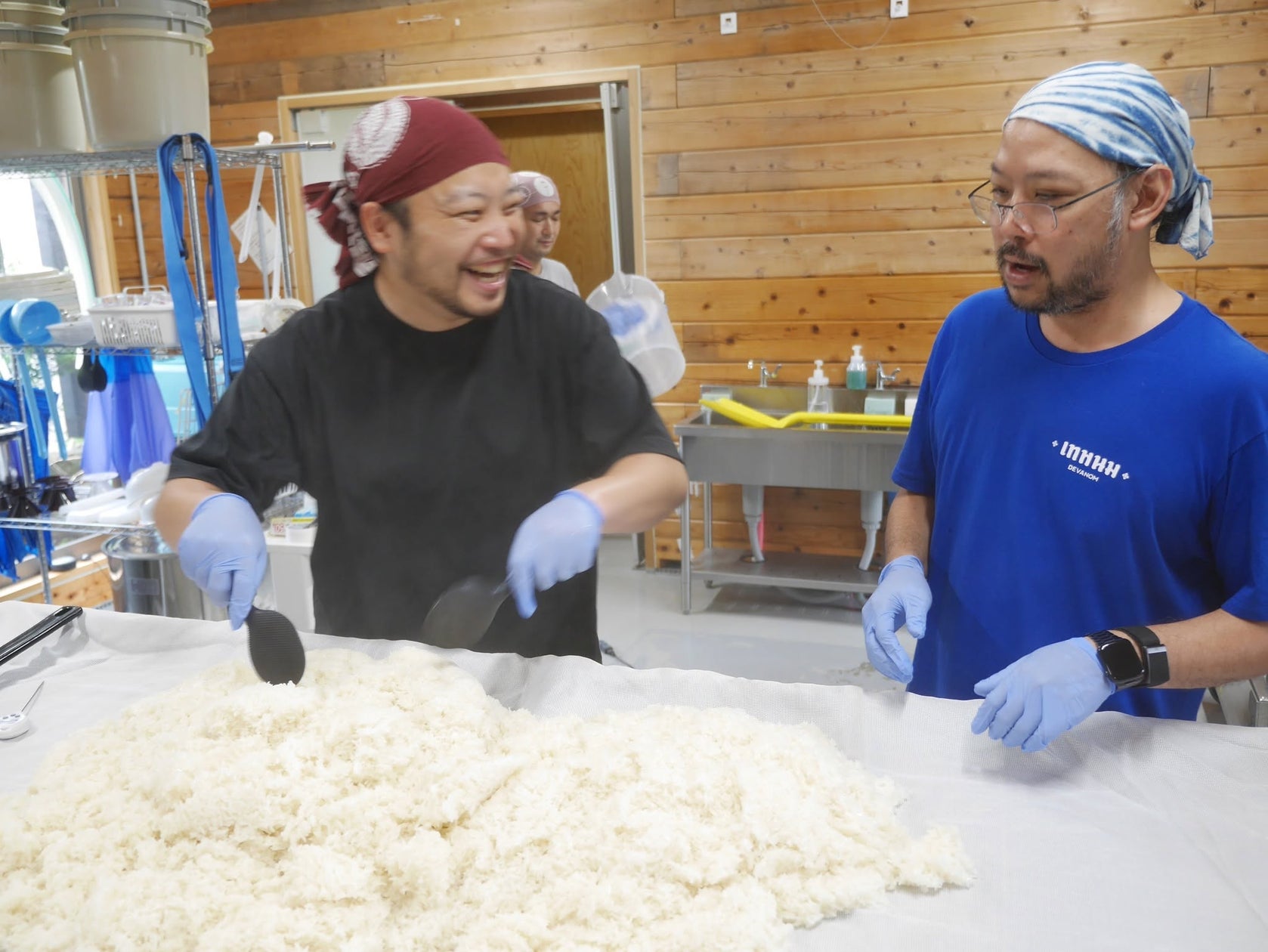
Swapping koji to brew in Thailand and Fukushima
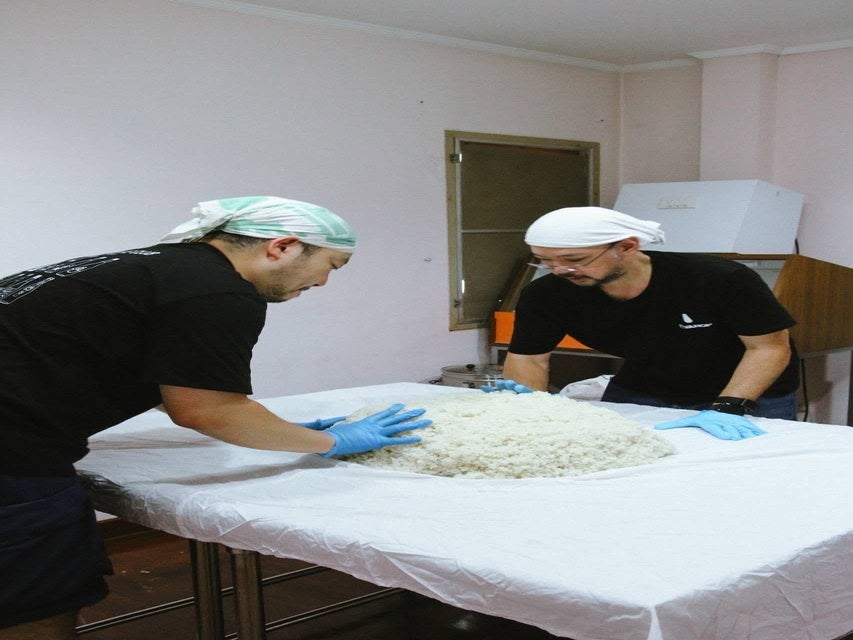
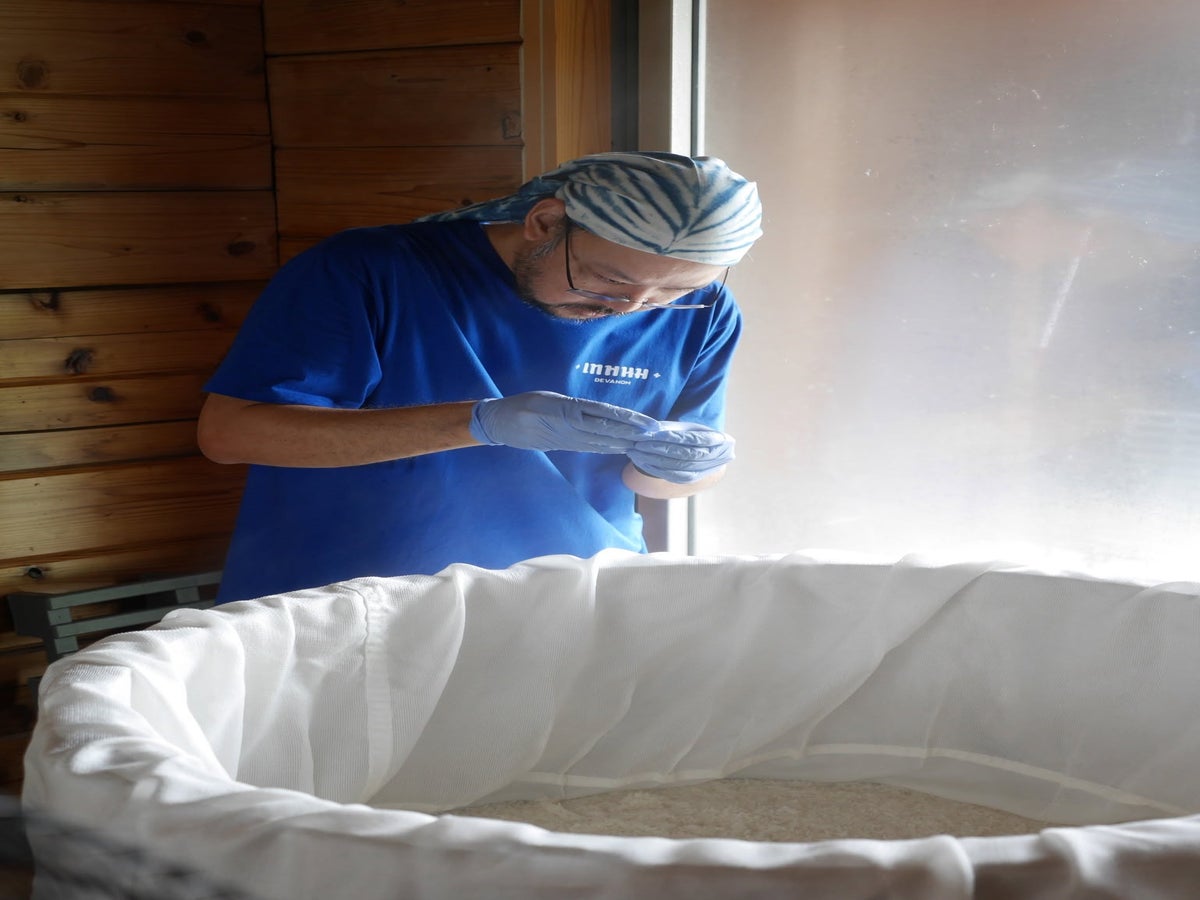
It all began when haccoba’s representative, Taisuke Sato, visited Devanom’s brewery during a business trip to Thailand. There he saw the Thai starter culture “look-pang” and the koji made by growing it on steamed rice, called “khao-mak”. Its appearance, completely different from Japanese koji, strongly appealed to Sato. Sakeseeker, which imports and introduces Japanese sake in Bangkok, acted as the go-between, and the joint brew became a reality. In July 2026, in Thailand, they turned local rice into koji using white koji brought over from Japan (a koji that produces a lot of acid), and also added “karahanasou” (Japanese native hops, known as Humulus lupulus var. cordifolius), to brew sato. In August, in Fukushima, they made khao-mak together with Ob and other brewers from Devanom, and brewed with karahanasou and Japanese rice.
Thailand’s traditional drink “sato” and Devanom
Sato is a fermented glutinous-rice drink that has long been enjoyed in Thailand. Devanom was founded in 2014 by the brothers Ob and Art in Nonthaburi, near Bangkok. They began by making craft beer and mead, but now produce “craft sato”, a modern expression of sato, and are also involved in shaping the rules for this traditional Thai drink. What is interesting is the difference in the finished drinks. The Fukushima brew shows some of the acidity derived from khao-mak, yet turned out cleaner than expected and with a taste more like sake. The Thai brew, on the other hand, tastes distinctly like sato. Swapping koji, they say, has in fact brought out the individual character of each place.
A movement linking “Asian rice drinks”
In 2021, haccoba opened a brewery in the Odaka district of Minamisoma, Fukushima Prefecture, which was once completely emptied of residents after the nuclear accident evacuation. Since 2023 it has also brewed in neighbouring Namie. What it makes is “craft sake”, based on sake-brewing methods but with additional ingredients added partway through fermentation. Under Japan’s liquor tax law it is classed not as sake (seishu) but as “other brewed alcoholic beverages”, a new category. The company believes that the trend that followed craft beer and natural wine is now spreading to Asian rice drinks, such as Korean craft makgeolli and Thai craft sato. Sato says craft sake is not a small phenomenon confined to Japan but one of the currents of the times worldwide.
The finished drinks will be shown for the first time in December 2026 at the Sakeseeker pavilion of the Wonderfruit festival in Thailand. Product details have not yet been announced, and it is not known whether the drinks will be available in Europe. The best approach is to follow haccoba’s official announcements for updates. If you get the chance to try them, taste the two bottles side by side and pay attention to how the acidity differs as a result of the koji swap. If you come across other haccoba craft sake, looking at how the additional ingredients show in the aroma is another way to enjoy this new category.
Sources
- PR TIMES(haccoba)「福島の酒蔵 haccoba、タイの米の醸造酒 “SATO/ サートー” を醸す酒蔵「Devanom」とのコラボレーションを発表!」
- SAKE Street「被災地から「サケのまち」へ。震災から14年、haccobaが歩む福島とクラフトサケの現在地」
This article was written by The Sake Wire editorial team, summarising the public sources listed above. Images are our own.
Try Akita sake in the EU — from €6
180 ml tasting bottles and full-size sake, wine, beer and gin, shipped from Amsterdam within the EU.


