Red wine aged to Godzilla's music, from Tokachi in Hokkaido
A Hokkaido winery will release a red wine aged for 143 days on the vibrations of Akira Ifukube's Godzilla music on 3 November, the opening day of the new film.

A red wine bathed in Godzilla’s bass for 143 days

Tokachigaoka Winery, the cellar of Tokachi Budoen in Otofuke, in the Tokachi region of eastern Hokkaido, has turned a red wine aged on vibrations from the music of the film “Godzilla” into a commercial product. It is made from organically grown Yamasachi grapes harvested at the estate last autumn. Yamasachi is a cold-hardy red wine grape variety bred in Hokkaido. From 12 March to 2 August this year, vibration devices were attached to the tanks and then the barrels in turn, and music was played around the clock for a total of 143 days.
A patented technique from an audio maker, and a control wine that never heard the music
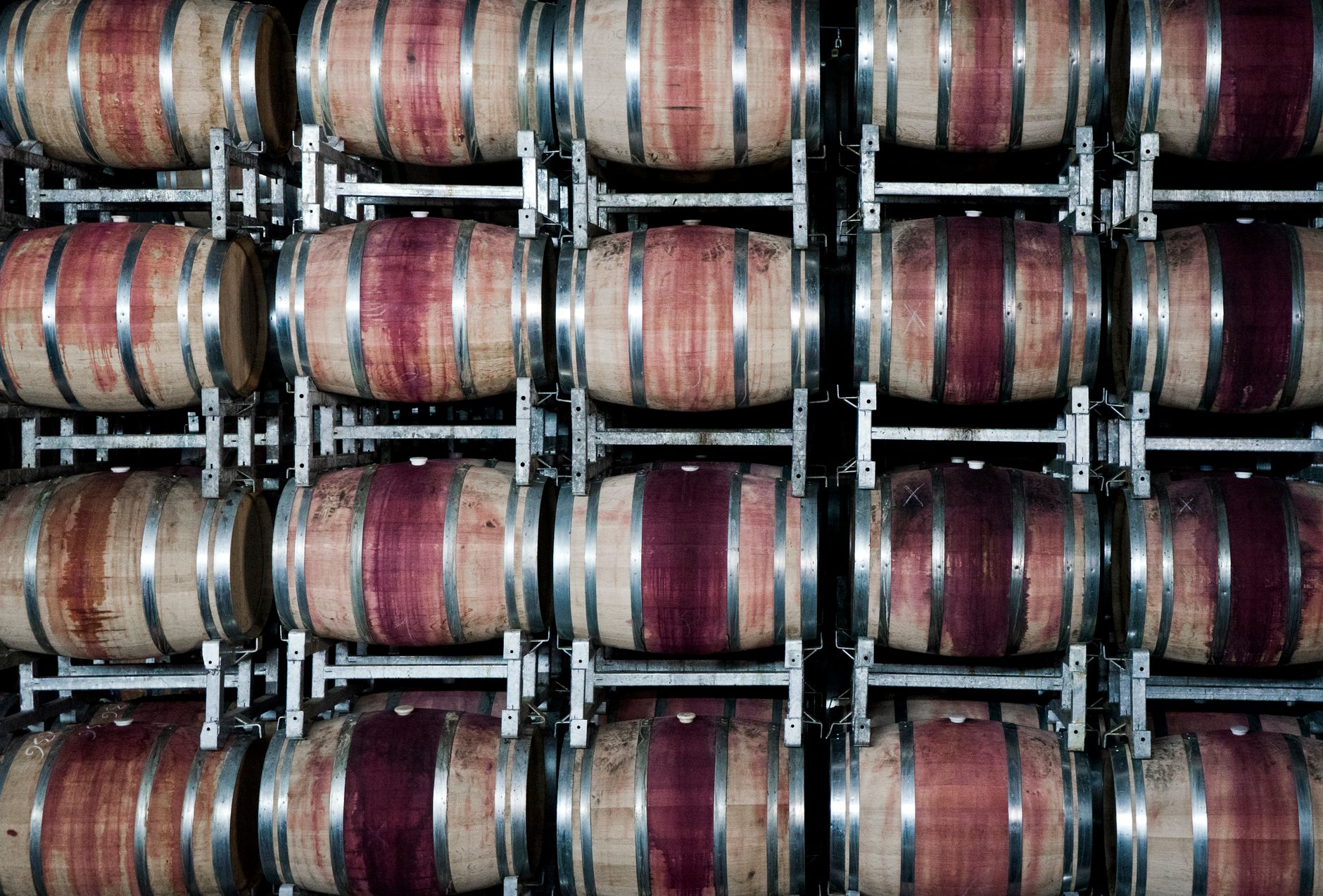
The technology was provided by Onkyo, an audio equipment maker based in Osaka. The company holds a patent on a method of ageing alcoholic drinks with a vibration exciter it developed itself, and through joint research with universities and others it has also shown the effect in numerical terms. The technology is used at sake breweries and wineries across Japan, but this is said to be the first product to use Godzilla music. The audio played was a roughly four-minute edit, made by Onkyo, of 24 pieces centred on the Godzilla themes by the composer Akira Ifukube. It is explained that, drawing on the knowledge gained so far, the edit was designed around frequencies suited to ageing.
To compare the effect, a wine differing only in that it received no vibration was made in the same way. In a side-by-side tasting by tasters, the wine that received vibration was judged to have “softer sharpness, typical of young wines” and “a more cohesive fruit aroma”. Toshio Nakamura, the company’s president, who presented the wine together with Tsukasa Nakabayashi, the head of winemaking, said they will go on to collect objective data, and expressed his sense that the weighty bass had a positive effect on ageing.
From the composer’s home town, released on the new film’s opening day
Akira Ifukube, known for the main Godzilla theme, is a composer with ties to Otofuke. The project was brought to the town by Nippon Travel Agency Hokkaido, a travel company that has a partnership agreement with Onkyo, and permission was also obtained from the distributor, Toho. The release date is 3 November, when the new film opens in Japan. The label carries an illustration of Godzilla from the 18th instalment of the series, which is set in Hokkaido. Prices, excluding tax, are 6,000 yen for the wine that received vibration and 4,500 yen for the control wine. It will be sold in a limited run of 600 bottles.
With so few bottles, it is unlikely that this wine will reach Europe. Even so, there are ways to enjoy the story. To start, look for Yamasachi from Hokkaido in the lists of specialist Japanese wine shops and importers. It is a good way in to Japan’s native grape varieties. The same vibration-ageing technology is also used at sake breweries. If a brewery describes its sake as “vibration-aged”, it could be interesting to taste it alongside a conventionally aged sake, paying attention to how the sharpness of the young sake changes.
Sources
This article was written by The Sake Wire editorial team, summarising the public sources listed above. Images are our own.
Try Akita sake in the EU — from €6
180 ml tasting bottles and full-size sake, wine, beer and gin, shipped from Amsterdam within the EU.


