Whisky experiment in space: University of Glasgow and Kyushu Institute of Technology
The University of Glasgow and Kyushu Institute of Technology will send whisky and cask wood into space on a tiny satellite in 2028 to study distillation and maturation.

The University of Glasgow in Scotland and the Kyushu Institute of Technology in Fukuoka Prefecture are working together on an experiment to distil whisky in space. The project is called Space Puffin. In 2028 they will launch a CubeSat, an ultra-small satellite about the size of a palm. It will carry just 10 ml of liquid and observe how it changes in orbit for up to five years. The Japanese trade outlet BARREL365 reported the news on 9 October 2026.
No cask on board: small pieces of cask wood to probe maturation

The satellite will be carried to the International Space Station (ISS) on a cargo vehicle and released into orbit from Japan’s Kibo experiment module. The payload consists of a whisky sample, raw materials and small pieces of cask wood. A cask itself is heavy and bulky, so only wood fragments will be used.
There are two main questions. The first is whether ethanol can be extracted in orbit. Ethanol is used in making many medicines. The second is how the cask wood reacts. The satellite circles the Earth roughly every 90 minutes, and each time it swings rapidly between heat and cold. The research team thinks the wood may “breathe” far faster than it does on the ground, which could offer clues to how maturation might be sped up.
Changes will be measured by an artificial “tongue” that reads components using light. It will pick up small changes in aroma compounds such as terpenes and send colour and compositional data back to Earth. Whisky and cask wood have been to space before, but always inside the temperature-controlled environment of the ISS, with analysis carried out after return to Earth. This is said to be the first time whisky will be exposed directly to the space environment.
Why whisky, and the link to Masataka Taketsuru
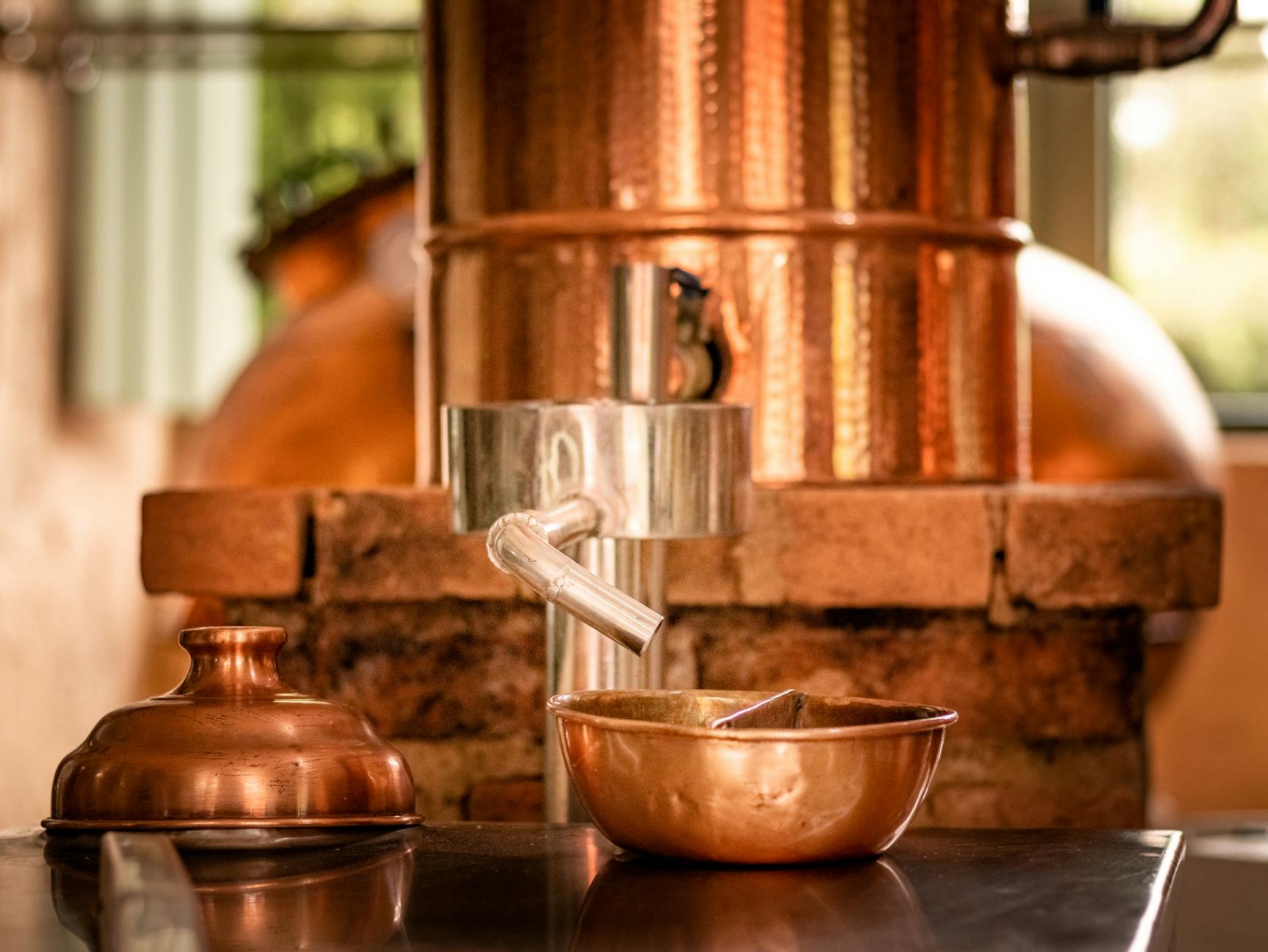
The chemistry of fermentation and distillation in whisky has been studied in detail on Earth. That makes it a convenient subject for comparing what changes in microgravity. The University of Glasgow researcher leading the project says they want to learn how fermentation and chemical reactions can be monitored and controlled in space. Behind this lies the idea of making medicines in space. In microgravity, larger and purer crystals are thought to form. If molecules that are hard to synthesise on the ground can be made in orbit, they could help in developing drugs for diabetes, cancer and Alzheimer’s disease. This experiment is the basic research that comes before that stage.
The roles are divided. Kyushu Institute of Technology is responsible for the satellite itself and its own observation instruments, while the University of Glasgow handles the whisky experiment. Seven final-year mechanical engineering students from Glasgow will spend three months at Kyushu Institute of Technology from this autumn, helping to design the battery, radio and onboard computer. Their travel costs are subsidised by Allen Associates, a distillery design firm. One of the students pointed to the history of Masataka Taketsuru, who studied chemistry in Glasgow more than 100 years ago and brought distilling expertise back to Japan. Taketsuru laid the foundations of Japanese whisky-making, and the students are delighted to join a project that once again links Scotland and Japan.
For European readers, this is not a story about a product you can buy but about the science of maturation. Much of the flavour of a matured spirit comes from the cask. In whisky and in Japanese drinks aged in casks, woody aromas and depth of colour are clues to maturation. The idea that swings in temperature encourage interaction between wood and spirit has long been discussed in warehouses on the ground. How far will the data arriving from space after 2028 explain that mechanism? We look forward to further news of this research linking Scotland and Japan.
Sources
This article was written by The Sake Wire editorial team, summarising the public sources listed above. Images are our own.
Try Akita sake in the EU — from €6
180 ml tasting bottles and full-size sake, wine, beer and gin, shipped from Amsterdam within the EU.


