Gekkeikan's experimental sake 'no.8' uses yeast to transform spice aromas
Gekkeikan of Kyoto fermented dried tangerine peel and sansho pepper together with rice mash, using yeast to change the spice aromas, in the limited-edition 'Gekkeikan Studio no.8', released on 5 Octob
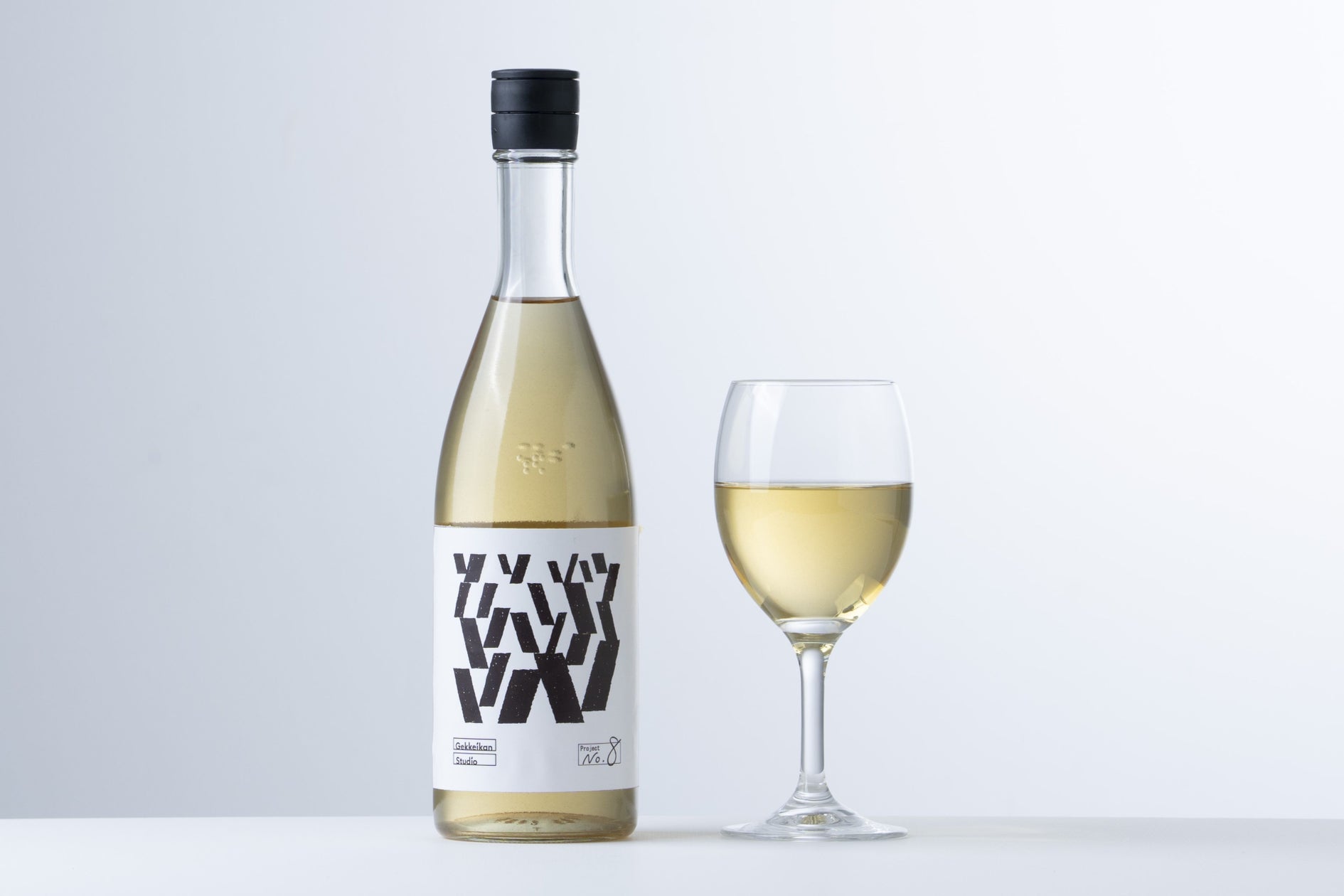
Gekkeikan, the major sake brewer founded in 1637 in Fushimi, Kyoto, has released the eighth edition of ‘Gekkeikan Studio’, a series that shares sake still at the research stage with drinkers. The inspiration comes from otoso, the traditional celebratory sake drunk in Japan at New Year. It is originally made with medicinal herbs, but Gekkeikan has replaced them with familiar spices and rebuilt the drink in a modern way, leaving the creation of aroma to fermentation.
Yeast rewrites the aroma of the spices
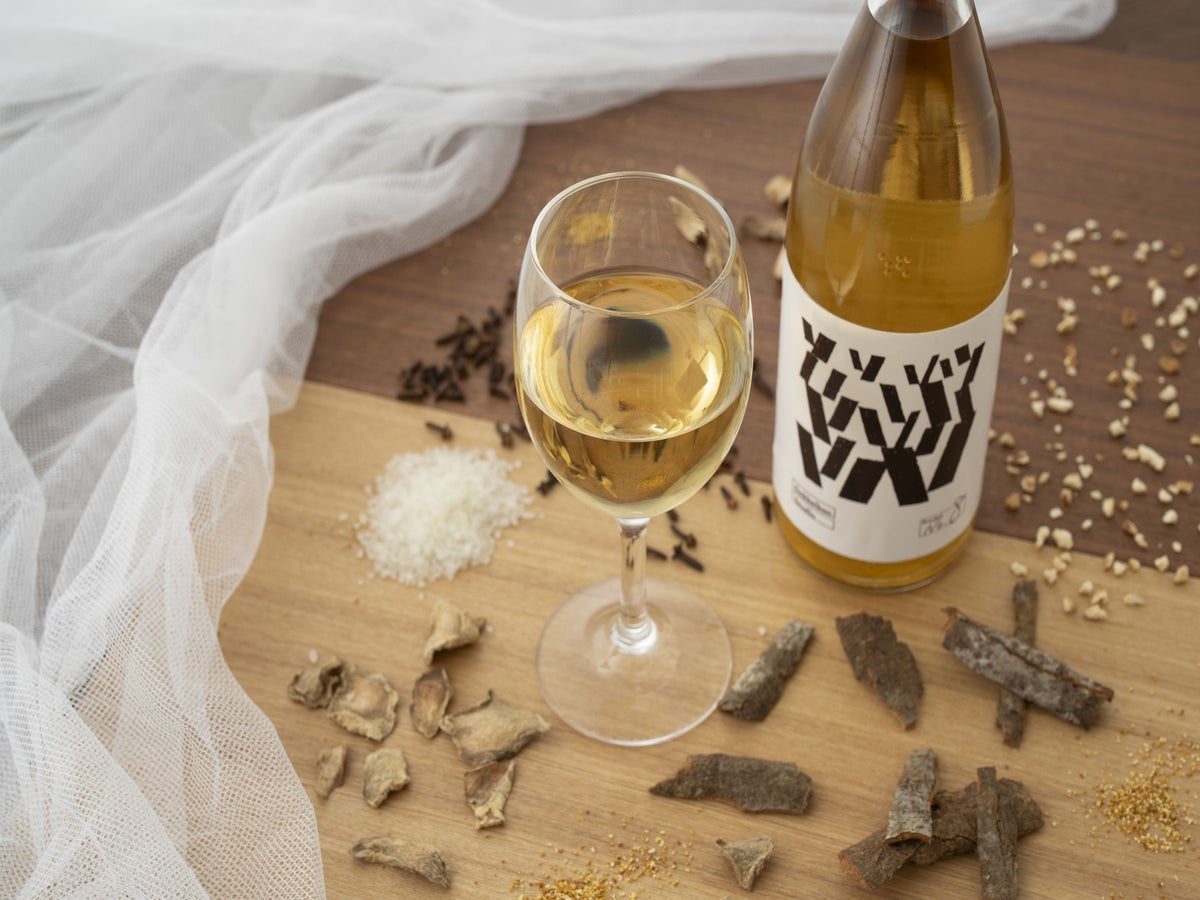
The theme of the development is ‘biotransformation’, the phenomenon in which the action of yeast changes aroma compounds into other compounds. At the brewing stage, chenpi (dried tangerine peel) and sansho (a Japanese spice with a citrus-like aroma) were added to the moromi (the fermenting mash of rice, koji and yeast) and fermented together with the rice. The brewers focused on aroma compounds such as geraniol from the spices, citronellol, which recalls citrus, and citronellyl acetate, which has a showy fruit aroma. The aim is an aroma that neither yeast alone nor spices alone could produce.
Spices layered in stages, and a dry taste
Ginger, cinnamon and cloves, on the other hand, were added just before the sake was pressed so as to preserve their original aromas. The brew thus layers the scent of the spices themselves over the aromas changed by fermentation. The result is light and dry. Served chilled, the citrus and showy aromas come together; at room temperature it becomes mellow; and warmed to nuruukan (around 40°C), the spiciness of the ginger and sansho stands out, we are told. Because spices have been added, under Japanese liquor tax law it is classified not as seishu (sake) but as ‘other brewed alcoholic beverage’. The alcohol content is in the 15% range, and it is on sale in a limited run of 1,000 720 ml bottles.
‘Studio’: sharing prototypes with drinkers
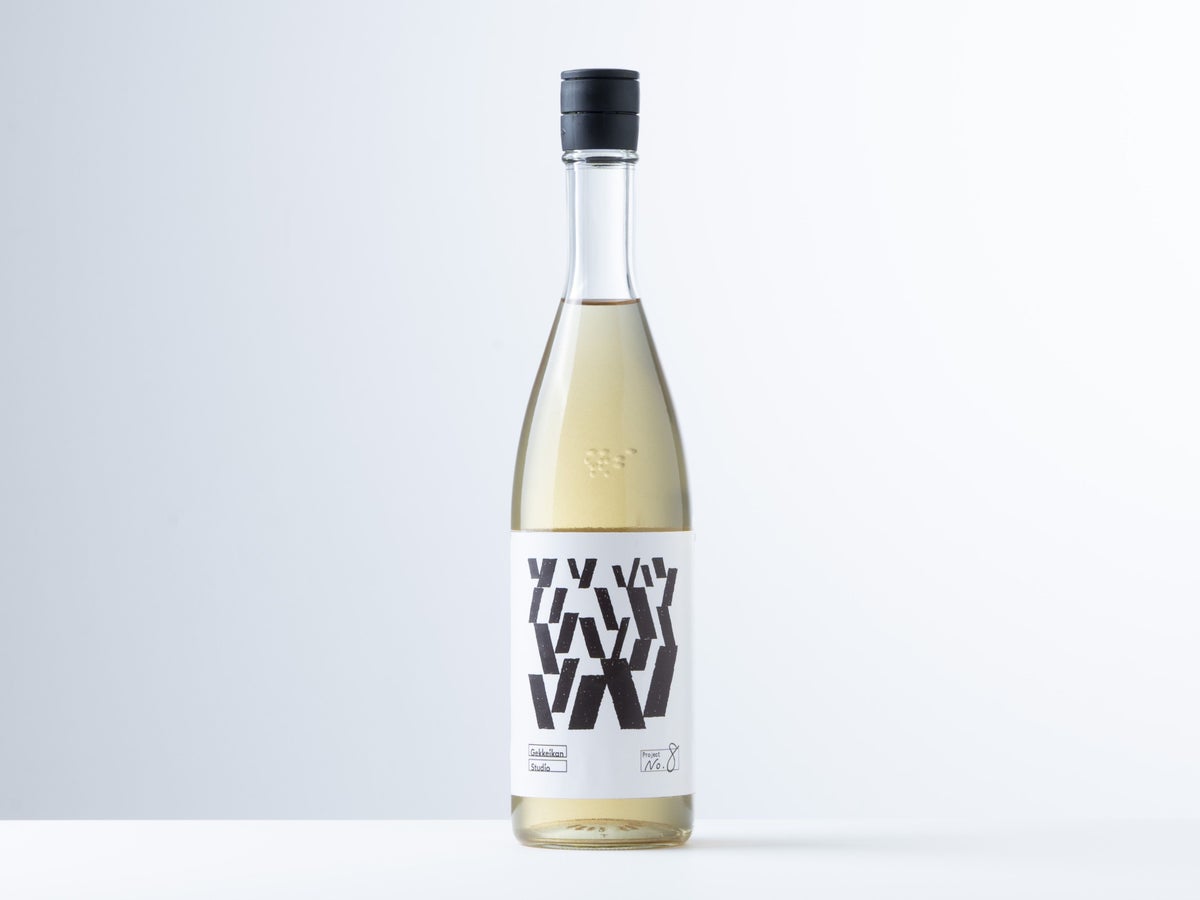
‘Gekkeikan Studio’ is a project that puts prototype-stage sake into the world and feeds drinkers’ views back into the next round of development. The label of no.8 uses a design made by taking apart the kanji for eight (八) and reassembling it, expressing the experimental spirit of reconstructing tradition.
Sales of no.8 are limited to the official online shop in Japan and the Gekkeikan Okura Museum in Kyoto, so it will be hard to get hold of in Europe. Even so, it is worth noting that a major brewer is turning aroma research outside the bounds of sake into a product. Readers familiar with mulled wine may find the idea easy to relate to. Gekkeikan suggests enjoying it at different temperatures, chilled, at room temperature or warmed, and also mixed with orange juice or sparkling water.
Sources
- PR TIMES(月桂冠)「日本酒の未来をひらく実験的プロジェクト「Gekkeikan Studio」の新商品 スパイスをもろみと共に発酵させた、新しいお祝いの一「Gekkeikan Studio no.8」10月5日発売」
- SAKE Street「長く、広く、アメリカのSAKE市場を支える - フォルサム(アメリカ)・米国月桂冠」
This article was written by The Sake Wire editorial team, summarising the public sources listed above. Images are our own.
Try Akita sake in the EU — from €6
180 ml tasting bottles and full-size sake, wine, beer and gin, shipped from Amsterdam within the EU.


