Yeast and lactic acid bacteria both from Hokkaido: Fukutsukasa Shuzo's "ToyTou"
Fukutsukasa Shuzo of Kushiro released "ToyTou" on 8 October 2026, a limited sake in which even the yeast and lactic acid bacteria, as well as the rice and water, come from Hokkaido.
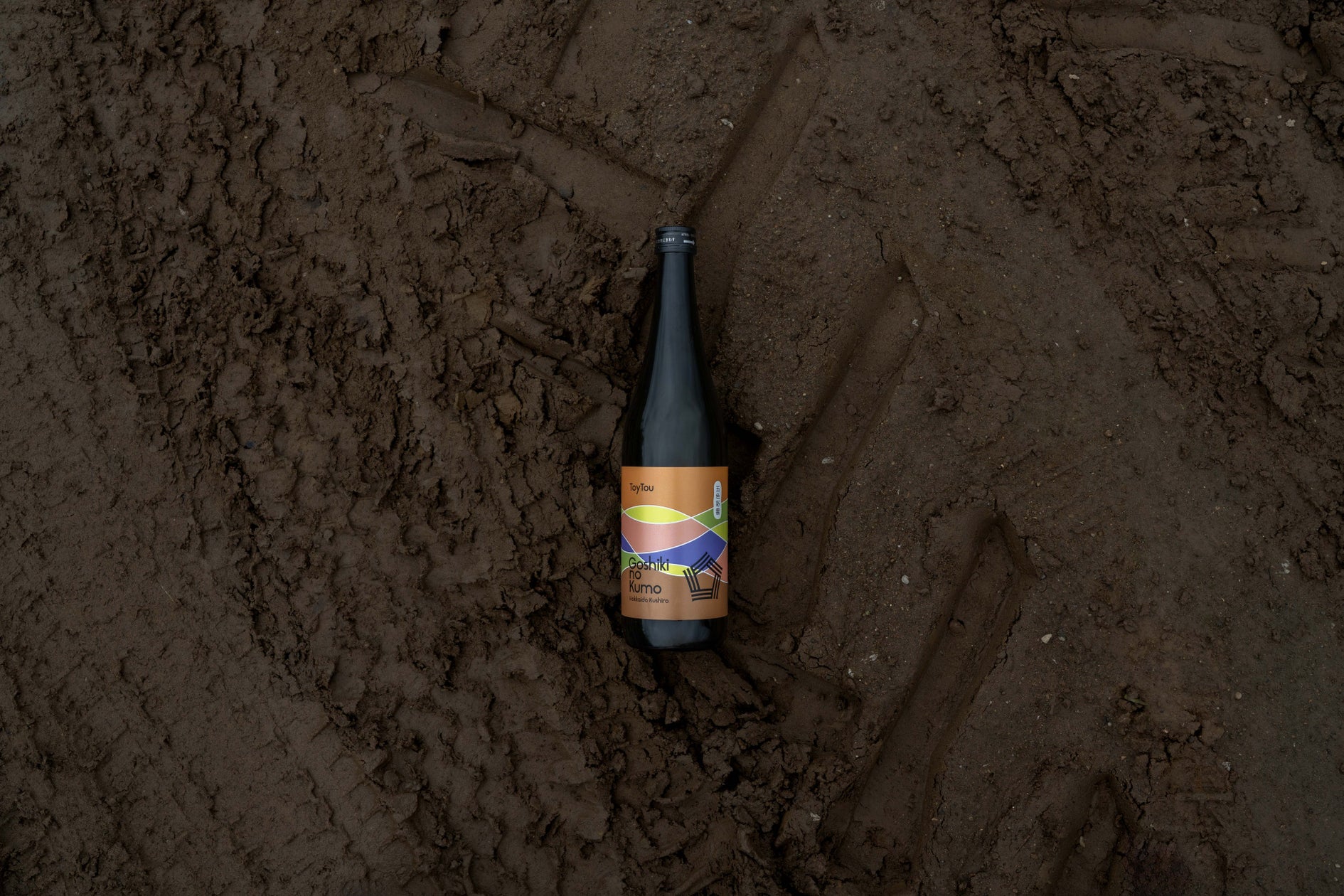
Fukutsukasa Shuzo, in the eastern Hokkaido port town of Kushiro, was founded in 1919. More than 90% of the sake it brews is drunk locally in eastern Hokkaido. On 8 October 2026, the brewery released a new sake, “ToyTou”. The raw materials are not only Hokkaido sake rice and Kushiro water: the yeast and lactic acid bacteria that drive fermentation were also isolated in Hokkaido. With this sake, the brewery asks the question: “What is Hokkaido sake?”
Sake brewing beyond “made in Hokkaido”
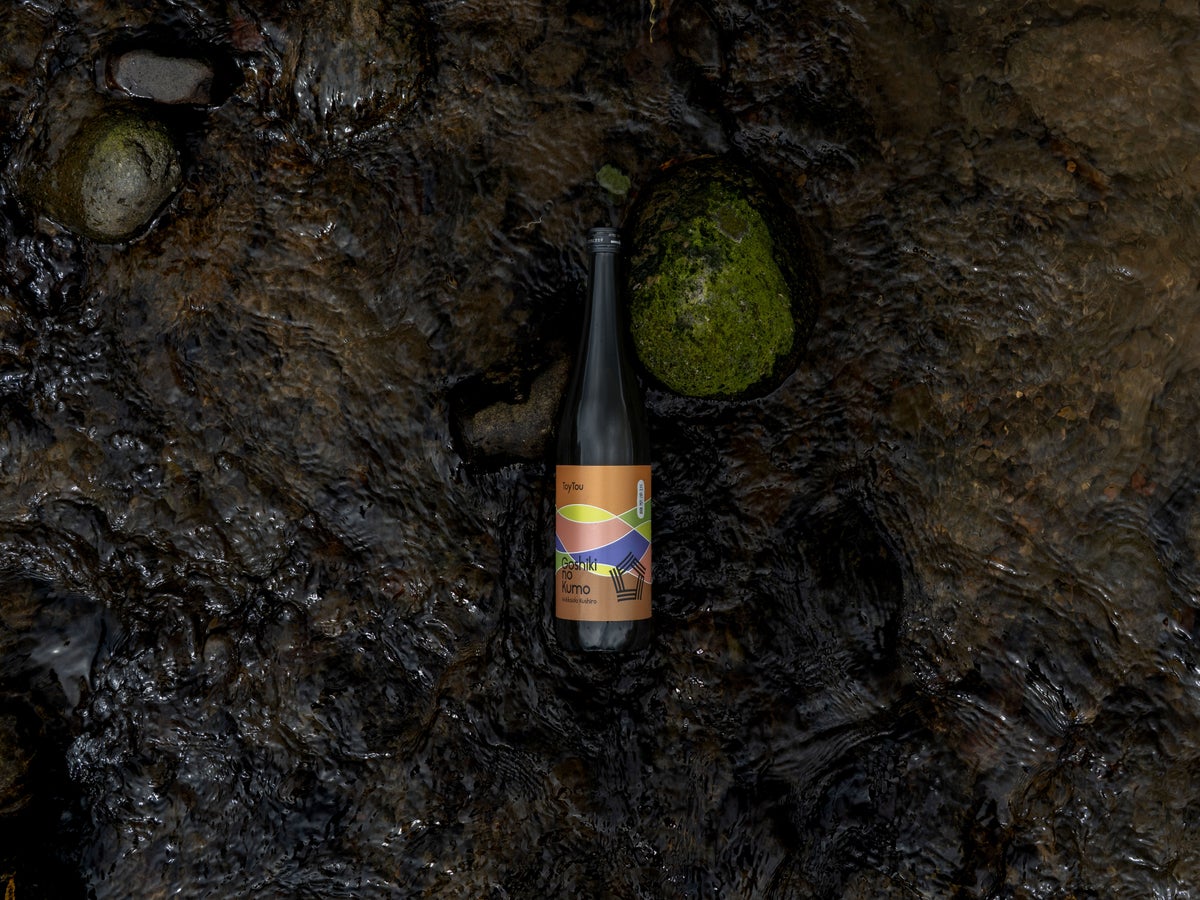
ToyTou comes from “Goshiki no Kumo”, the second brand Fukutsukasa Shuzo launched in 2023. The brand’s motto is “local sake for 100 years from now”, and it treats not just Kushiro but the whole of Hokkaido as a single production region. In Hokkaido, breeding of sake rice varieties continues and sake brewing with local rice has spread. As the climate warms, there have even been cases of breweries moving from Honshu to Hokkaido. What Fukutsukasa Shuzo is aiming for goes further than using Hokkaido ingredients. The brewery’s view is that, compared with the long-established sake regions of Honshu, Hokkaido still has much to build in the years ahead.
Choosing even the microorganisms themselves
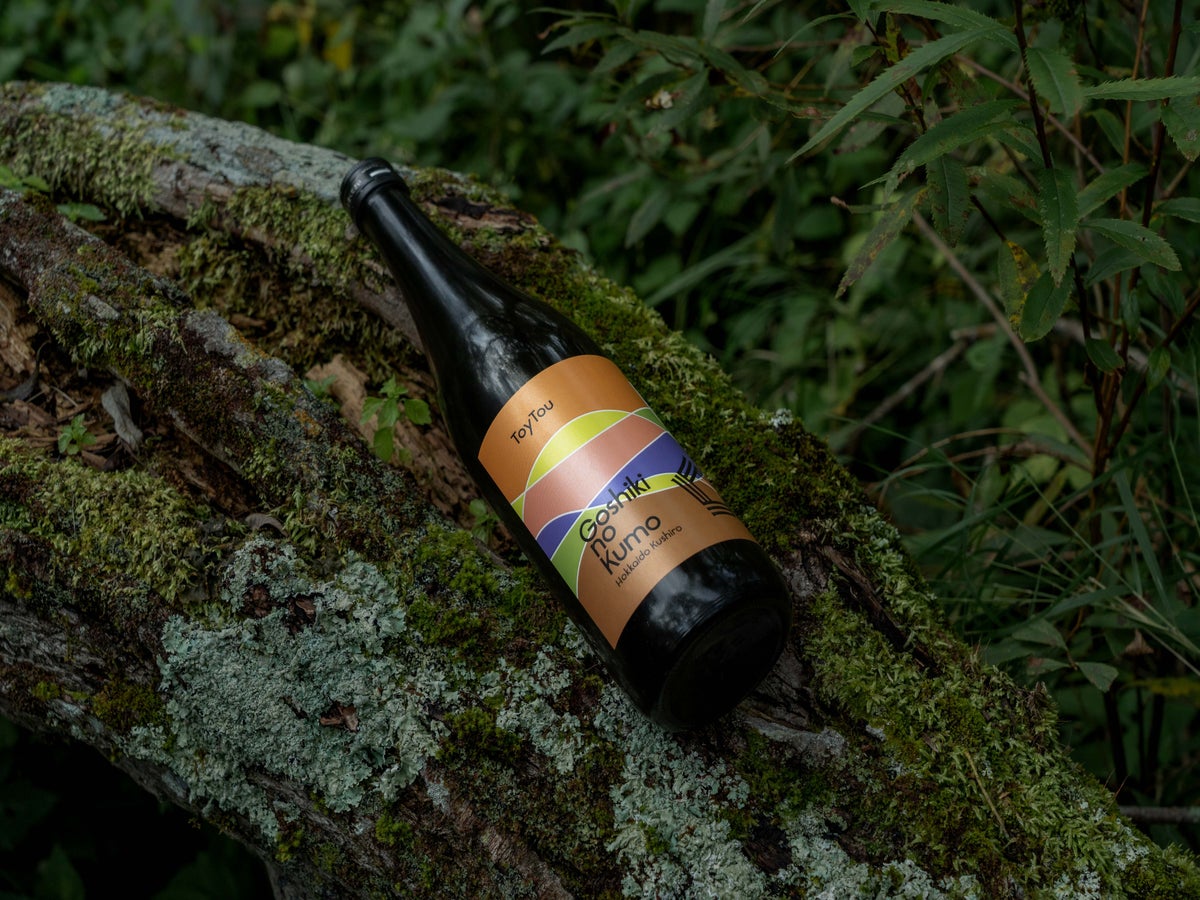
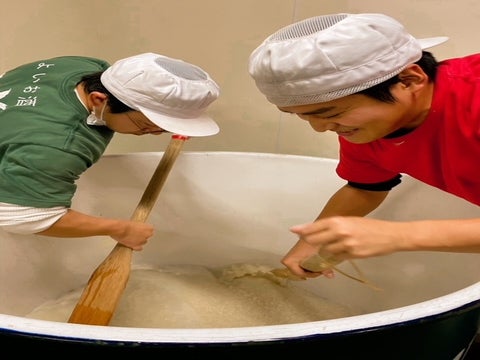
In sake making, a yeast starter called “shubo” is first prepared, then grown in a large tank and brewed. In the traditional method, lactic acid bacteria acidify the shubo and suppress unwanted microbes, after which the yeast multiplies. The brewery isolated about 100 strains of lactic acid bacteria from its own moromi (the fermenting mash) and selected three strains of two types. The yeast was isolated from Hokkaido’s natural environment. The sake rice is Ginpu, grown in Shintotsukawa, Hokkaido. How long the lactic acid bacteria should work, and how their environment should be handed on to the yeast: the brewery designed the shubo by working backwards from the aroma, acidity and umami it was aiming for. According to the brewery, the aim is not simply to gather Hokkaido-derived materials but to express the character of each microbe as flavour.
The name means “questioning the soil”
“Toy” means “soil” in the language of the Ainu, the indigenous people of Hokkaido. In the name, the brewery has embedded the idea of “questioning the soil”: looking afresh at the background of the sake, not only the soil in which the rice grows but also the climate, microbes, human work and technique. Scanning the QR code on the back label leads to an article interviewing the growers in Shintotsukawa who raise Ginpu. It comes in 720 ml bottles at 14% ABV, with a limited production of 700 bottles.
With only 700 bottles made and no announced plans for export to Europe, ToyTou itself will be hard to find in Europe. The more interesting thing to watch is the wider trend of Hokkaido growing from a rice-producing region into a sake-producing one. If you come across a Hokkaido brewery or a sake made with Ginpu at a specialist sake shop in Europe, it is worth picking up a bottle. For anyone used to the terroir of wine, paying attention to the acidity and umami produced by local yeast and lactic acid bacteria may offer a glimpse of where Hokkaido sake is heading.
Sources
- PR TIMES (Fukutsukasa Shuzo)
- SAKE Street
Sources
- PR TIMES(福司酒造)「米・水だけではない、酵母・乳酸菌まで北海道から。これからの「北海道の酒」を問う福司酒造、新作「ToyTou」10月8日発売」
- SAKE Street「岐阜から北海道へ大移転。理想的な酒造り環境を求めた蔵元の決断 - 北海道・三千櫻酒造」
This article was written by The Sake Wire editorial team, summarising the public sources listed above. Images are our own.
Try Akita sake in the EU — from €6
180 ml tasting bottles and full-size sake, wine, beer and gin, shipped from Amsterdam within the EU.


