Fukushima to develop new yeast for sake with less acidity
Fukushima Prefecture, renowned for its sake, is to develop a new prefectural yeast aimed at producing sake with less acidity, following requests from its brewers.
Fukushima Prefecture lies in north-eastern Japan, at the southern end of the Tohoku region. It is also a sake-producing area that has won high praise at national competitions. According to the local newspaper Fukushima Minpo, reporting on 26 June 2026, the prefecture is working on a new original yeast to raise the quality of the sake brewed there still further.
Development that began with the brewers’ voices
The trigger was a request from brewers within the prefecture. They want to keep using only locally grown ingredients. At the same time, consumers’ tastes are more varied than they used to be. A new yeast was needed to brew sake that reconciles the two. The stated goal is a sake with less acidity. The detailed part of the report is for members only, so the development timeline, the methods and the rice varieties to be paired with the yeast cannot yet be confirmed from publicly available information.
Yeast shapes the character of sake
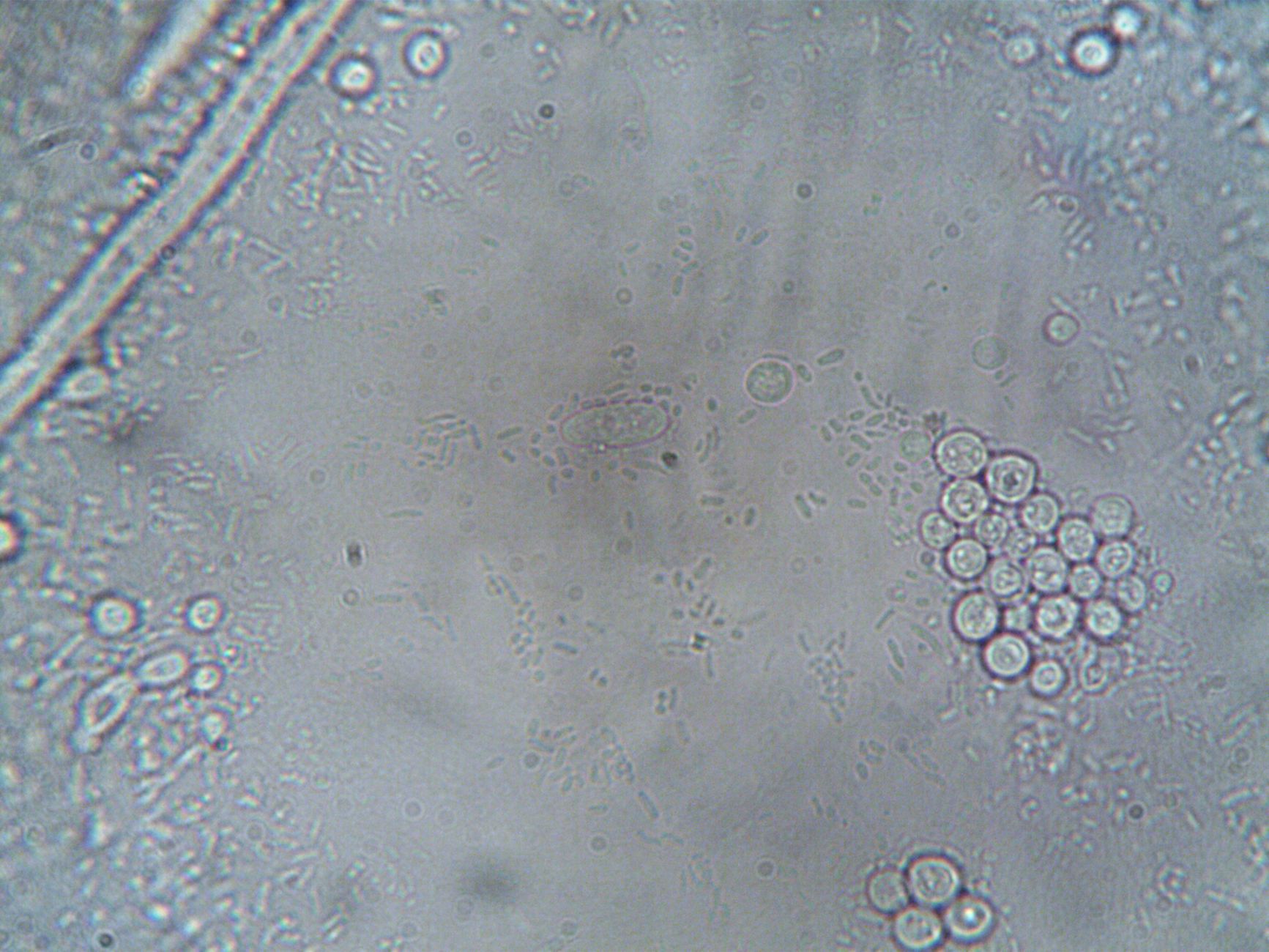
The role of yeast in sake brewing is not limited to turning the sugars derived from rice starch into alcohol. It also has a major influence on how the aroma develops and how much acidity the sake has. Even with the same rice and the same water, a different yeast changes the impression of the taste. This is why many Japanese prefectures have developed their own yeasts and used them to shape the local character of their sake. A sake with low acidity feels soft on the palate, and the umami and sweetness of the rice come through more naturally. However, acidity also plays a part in tightening the flavour. How far to reduce the acidity, and how to keep the whole in balance, is where a brewer’s skill shows.
How to enjoy it in Europe

At the time of the report, the new yeast was still at the development stage, and no date has been given for when sake made with it will go on sale. Until then, one option is to compare the Fukushima sake that is available now. At Japanese sake specialists and online shops in Europe, look for junmai and ginjo sake with “Fukushima” given as the place of origin. Junmai is sake made only from rice, rice koji and water. Ginjo is a fragrant grade made with rice polished so that 60% or less of its original weight remains. Served slightly chilled in a white wine glass, differences in acidity are easier to detect. Once you know a baseline taste in this way, you will find it easier to pick out the “less acidic” character when sake made with the new yeast appears.
Sources
This article was written by The Sake Wire editorial team, summarising the public sources listed above. Images are our own.
Try Akita sake in the EU — from €6
180 ml tasting bottles and full-size sake, wine, beer and gin, shipped from Amsterdam within the EU.


