Local rice, global reach: Emishiki Shuzo exports 30% of its output to 23 countries
Emishiki Shuzo in Koka, Shiga Prefecture, brews sake from locally grown sake rice and exports around 30% of its output to 23 countries.
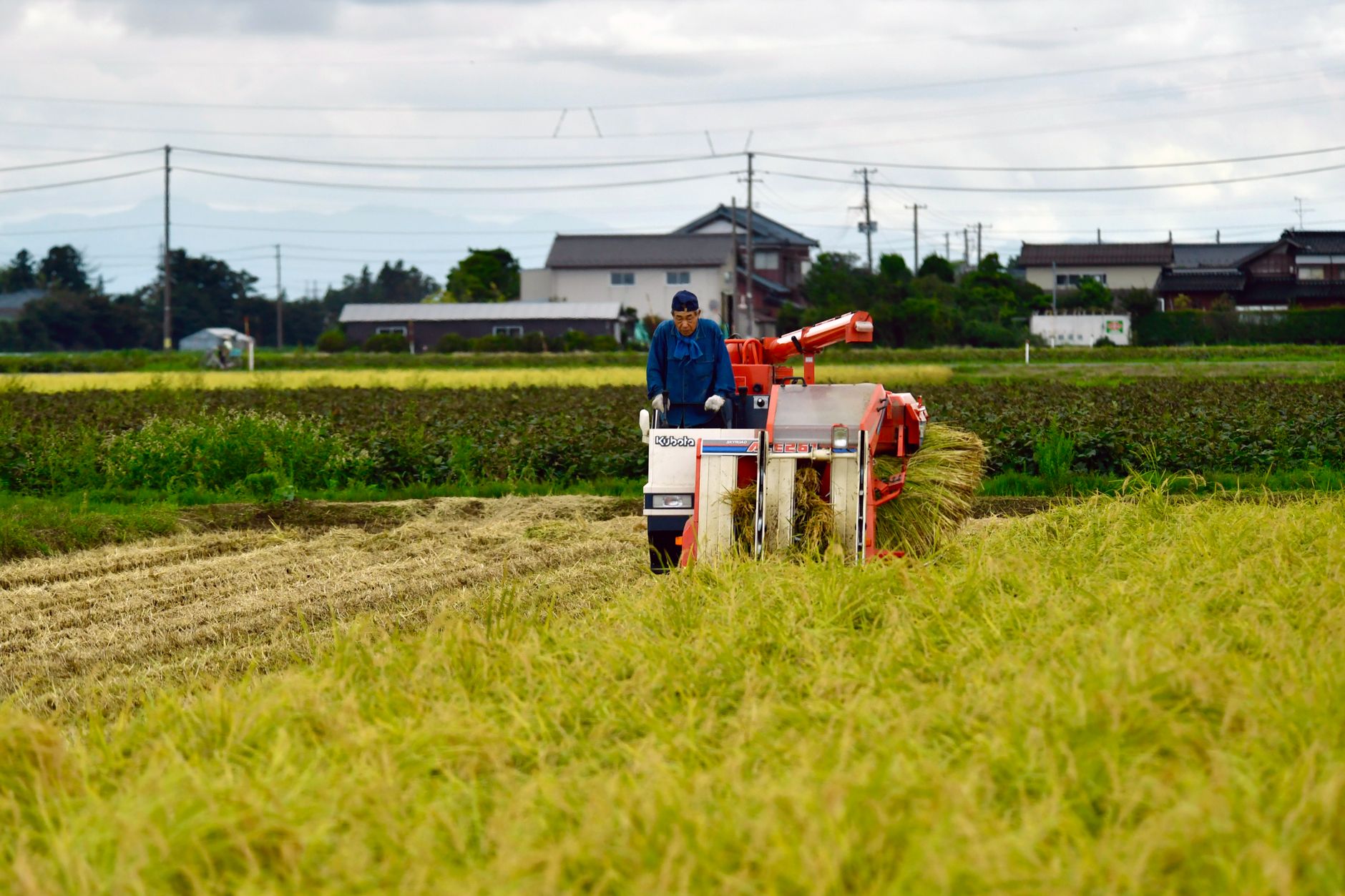
Nihon Nogyo Shimbun, Japan’s agricultural trade newspaper, reported from within the area covered by JA Koka (the agricultural cooperative for the Koka region) in Shiga Prefecture, and featured a local brewery as part of that coverage. Emishiki Shuzo in Koka is expanding its overseas sales with sake made from rice harvested in the area. It is an example of a small regional brewery linking local rice fields with tables around the world.
From the rice fields of Koka, south of Lake Biwa
Shiga Prefecture lies immediately east of Kyoto and surrounds Lake Biwa, the largest lake in Japan. The city of Koka is in its southern part. Emishiki Shuzo uses locally grown “sakamai” (rice suited to sake brewing, known as shuzo koteki mai). This is rice cultivated specifically for brewing; its grains are larger than those of table rice and have a white, starchy core called the “shinpaku”, which makes it easier to brew a sake with few off-flavours. Nihon Nogyo Shimbun covered this brewery because the sake has become a new outlet for the region’s rice. When the brewery’s sake sells abroad, rice grown by local farmers crosses the sea along with it.
110,000 litres a year, 30% going overseas
According to the article, Emishiki Shuzo brews around 110,000 litres a year, equivalent to roughly 60,000 bottles of 1.8 litres (the traditional isshobin size). That makes it small among Japanese breweries. Even so, about 30% of its output is destined for export, shipped to 23 countries, mainly in Asia. Domestic sake consumption in Japan has been falling for a long time, and exports have become an important route to survival for small regional breweries. Emishiki Shuzo can be seen as one model for small breweries, combining the easily understood story of “local rice” with an active approach to overseas markets.
How to enjoy it in Europe
Because its export markets are centred on Asia, you may not yet come across it often in Europe. Try asking sake specialist shops or importers for the name “Emishiki”. Once you have a bottle in hand, check the back label for the rice variety and where it was grown. The taste of sake depends not only on the brewer’s skill but also on the character of the rice. Try tasting a Shiga sake side by side with sake from another region, such as Niigata or Hiroshima, lightly chilled and in a wine glass, and the differences in aroma and mouthfeel become easier to detect. Paying attention to the rice named on the label is a shortcut to enjoying sake more deeply.
Sources
This article was written by The Sake Wire editorial team, summarising the public sources listed above. Images are our own.
Try Akita sake in the EU — from €6
180 ml tasting bottles and full-size sake, wine, beer and gin, shipped from Amsterdam within the EU.


