Kirinranman Releases Autumn Nigori and Hiyaoroshi Sake
Akita Meijo has released two limited autumn sake: a thick, sweet nigori and a junmai ginjo hiyaoroshi that has rested through the summer.

Akita Prefecture, on the Sea of Japan side of north-eastern Japan, is a sake-producing region known for its harsh winters and its rice. Akita Meijo, based in Yuzawa in the south-east of the prefecture (brand name “Kirinranman”), announced on 14 September 2026 that it would release two seasonal products: “Mukashi Nagara no Nigori Zake” and “Junmai Ginjo Hiyaoroshi”. Both are styles of sake that, in Japan, signal the arrival of autumn.
A nigori recreating the flavour of old
Nigori is a cloudy white sake. It is made by straining the moromi (the mash in which rice and koji are fermenting) through a coarse cloth or similar, deliberately leaving fine rice particles in the sake. According to the brewery, this “Mukashi Nagara no Nigori Zake” uses rice grown in Akita Prefecture and recreates the flavour of traditional moromi. The brewery says its distinguishing features are a thick, sweet taste and a smooth mouthfeel.
Hiyaoroshi: mellowed by a summer’s rest
Hiyaoroshi is a traditional Japanese seasonal sake: it is brewed in winter, rested in the brewery over the summer, and shipped in autumn when the weather turns cooler. In general, it is pasteurised by heating only once, before storage, and is not heated a second time before shipping. As a result, the settled flavour that comes from maturation is bottled as it is. Akita Meijo’s “Junmai Ginjo Hiyaoroshi” was brewed in the Akita winter and matured at a low temperature through the summer. Junmai ginjo is one of the grades of Japanese sake: it is made only from rice, rice koji and water, with the rice polished from the outside to 60% or less of its original weight, and fermented slowly at a low temperature. The brewery describes the sake’s distinguishing features as a full aroma and a mellow taste.
Enjoying autumn sake in Europe
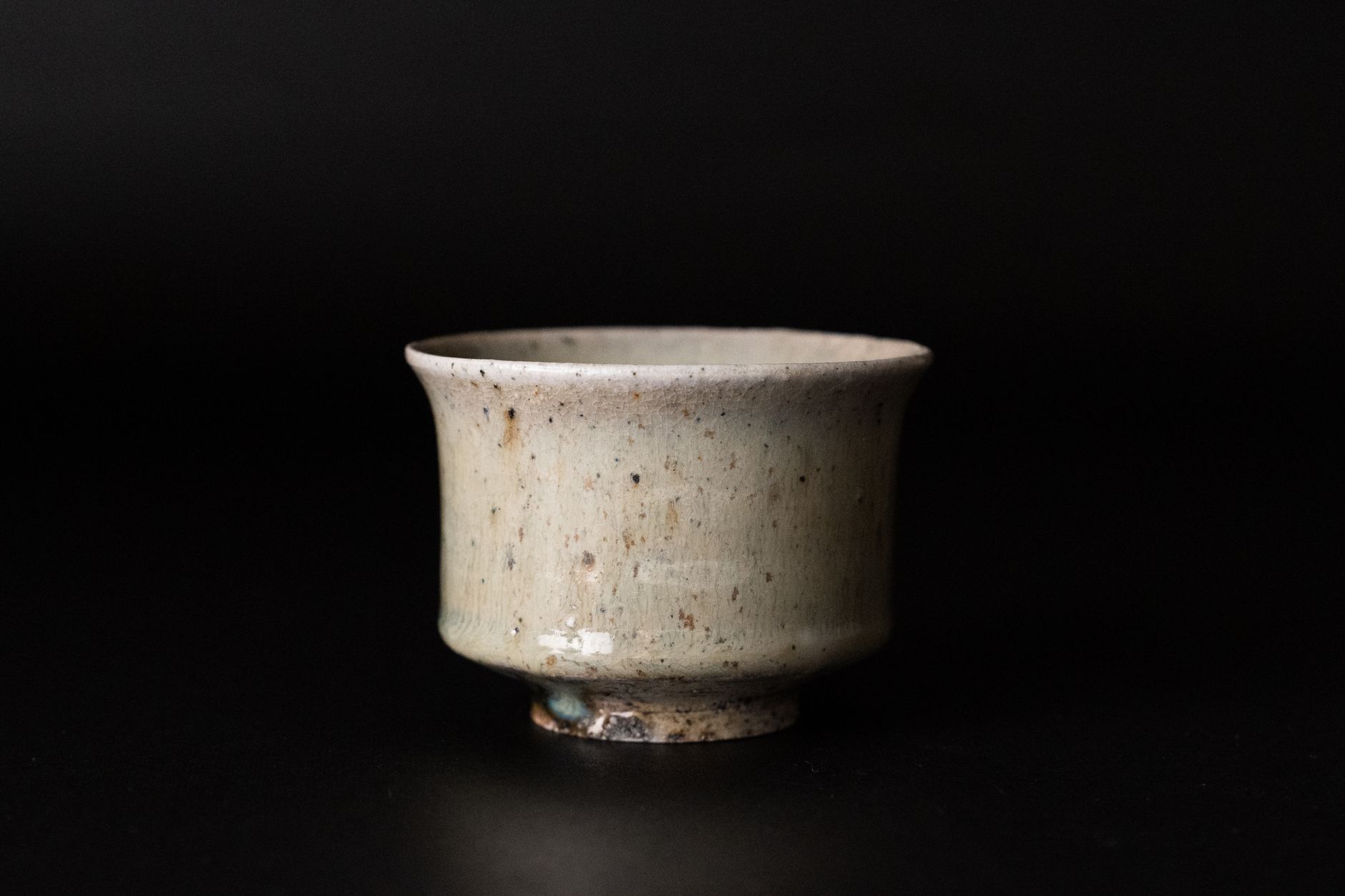
These two products are seasonal releases for the Japanese domestic market, and there has been no announcement of sales in Europe. Even so, nigori and hiyaoroshi are styles that are easy to find in autumn at sake specialists and importers in Europe. A label reading “Hiyaoroshi” or “Aki-agari” indicates a matured sake shipped in autumn, while “Nigori” indicates a cloudy sake. Because the rice particles settle at the bottom of the bottle in nigori, slowly turn the closed bottle upside down to mix it, then chill it before pouring, and you can enjoy the thickness and sweetness evenly. Hiyaoroshi is best taken out of the fridge and left for a little while, or gently warmed, so that its mellow aroma opens up. Try pairing them with autumn ingredients such as mushroom dishes, game and mature cheese.
Sources
This article was written by The Sake Wire editorial team, summarising the public sources listed above. Images are our own.
Try Akita sake in the EU — from €6
180 ml tasting bottles and full-size sake, wine, beer and gin, shipped from Amsterdam within the EU.


