Awamori tax break cut for the second time, with abolition due in 2032
The roughly half-century-old liquor tax relief for Okinawa's distilled spirit awamori was cut for the second time in May, and with shipments falling and prices rising, many brewers cannot raise prices

Awamori, the distilled spirit made in Okinawa Prefecture, benefits from a special measure that lowers its liquor tax. On 15 May 2026 that measure was reduced for the second time. According to the Okinawa Times, the preferential rate is due to be abolished in May 2032, with the size of the relief shrinking in stages until then. With shipment volumes falling and prices rising, some companies are hesitating to pass the additional tax on to customers through higher selling prices.
A tax break that began with the return to Japan

Awamori is a traditional Okinawan spirit made from long-grain indica rice and black koji mould, and finished by single distillation. The tax relief was introduced under a special law enacted to protect local industry when Okinawa returned to Japan from US administration in 1972. According to the Okinawa Regional Taxation Bureau, the total amount of tax relieved between the return and fiscal 2024 comes to about 51.46 billion yen. This scheme has long helped keep awamori affordable.
Brewers unable to raise prices

As the relief narrows, the tax that brewers pay rises. Yet awamori shipments have been declining for a long time, and related reports describe them as the lowest since 1983. With raw material and energy costs also continuing to climb, raising retail prices could drive customers away even faster. Many companies are therefore unable to reflect the higher tax burden in their prices straight away, and the roughly six years until abolition look set to be a difficult period for the industry.
What European readers should note
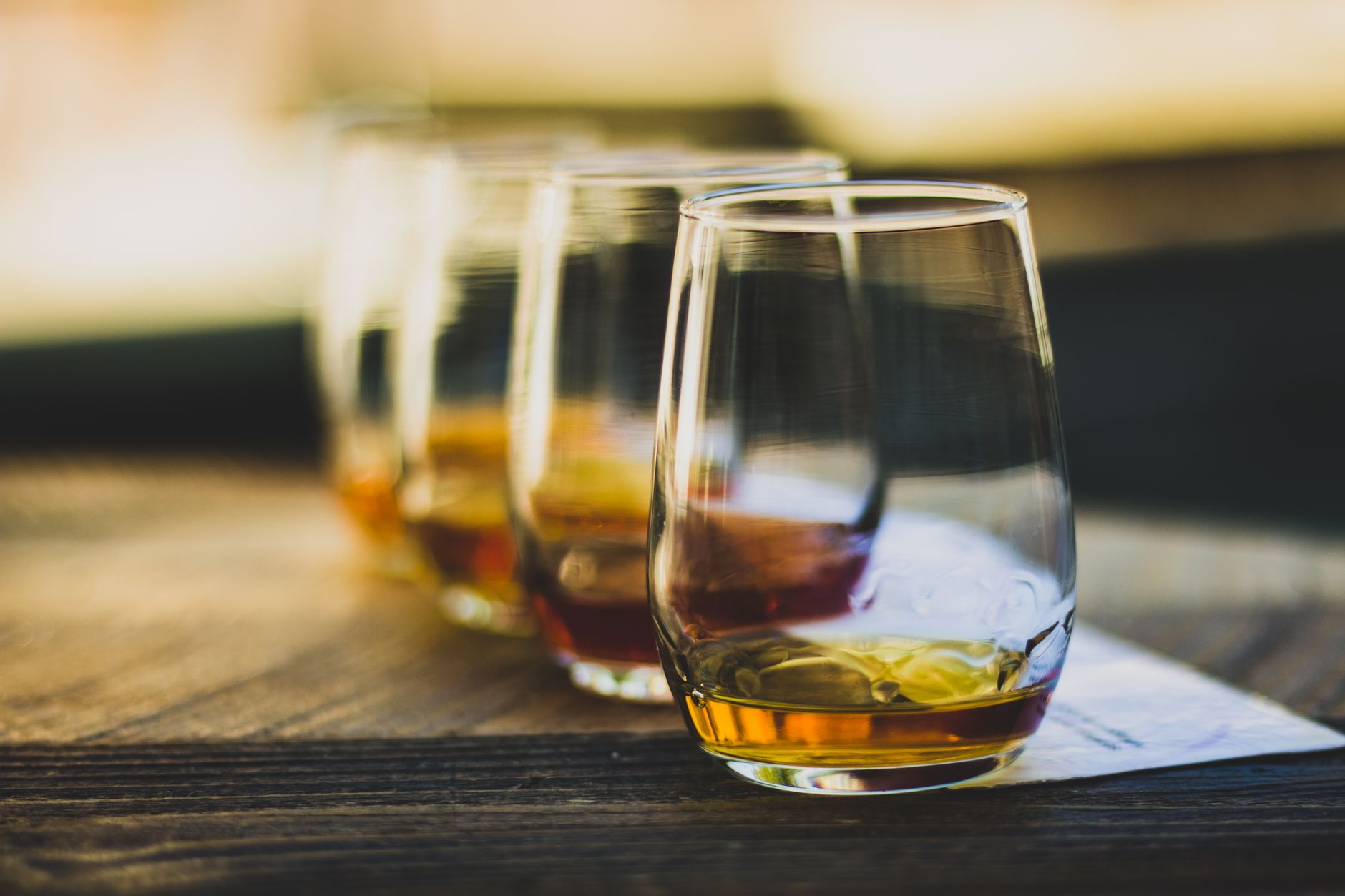
Japanese liquor tax is normally not levied on exported drinks, so this change will not feed directly into shelf prices in Europe. What is worth watching is how brewers approach overseas markets as conditions at home become tougher. If you want to find awamori in Europe, specialist Japanese drinks shops and online retailers are the quickest route. A label reading “koshu (kusu)” indicates awamori aged for at least three years, which is said to be mellow with a sweet aroma. Start with a small measure neat, then try it on the rocks or with water to compare how the aroma changes. It pairs well with rich dishes such as pork.
Sources
- Okinawa Times, “Awamori liquor tax relief rate cut for the second time; introduced at the return to Japan; companies hesitate over passing on costs [phase-out schedule table]” https://www.okinawatimes.co.jp/articles/-/1837199
Sources
This article was written by The Sake Wire editorial team, summarising the public sources listed above. Images are our own.
Try Akita sake in the EU — from €6
180 ml tasting bottles and full-size sake, wine, beer and gin, shipped from Amsterdam within the EU.


