Aichi Prefecture offers its first support for sake breweries, covering half of the rise in sake rice prices
As a shortage of table rice sends sake rice prices soaring, Aichi Prefecture has for the first time put support money for breweries into a supplementary budget, covering half of the price increase.
The prefecture bears half of the price increase
Aichi Prefecture lies in central Japan, and its capital is Nagoya. It is strongly associated with manufacturing, but long-established sake breweries remain within the prefecture. On 29 June 2026, Aichi announced a supplementary budget for June of about 3.6 billion yen to respond to rising energy prices and other pressures. It includes about 138 million yen in support money for sake breweries. This is the first time Aichi has supported sake breweries through a supplementary budget. The amount of support is calculated by taking half of the rise in the price of sake rice and multiplying it by the quantity of sake rice each brewery uses in a year. The burden created by the price rise is thus split equally between the prefecture and the brewery. At a press conference, Governor Hideaki Omura stressed the significance of the support, saying that sake breweries are representative of the local industry and are the very brand of the region.
Why has even sake rice become expensive?
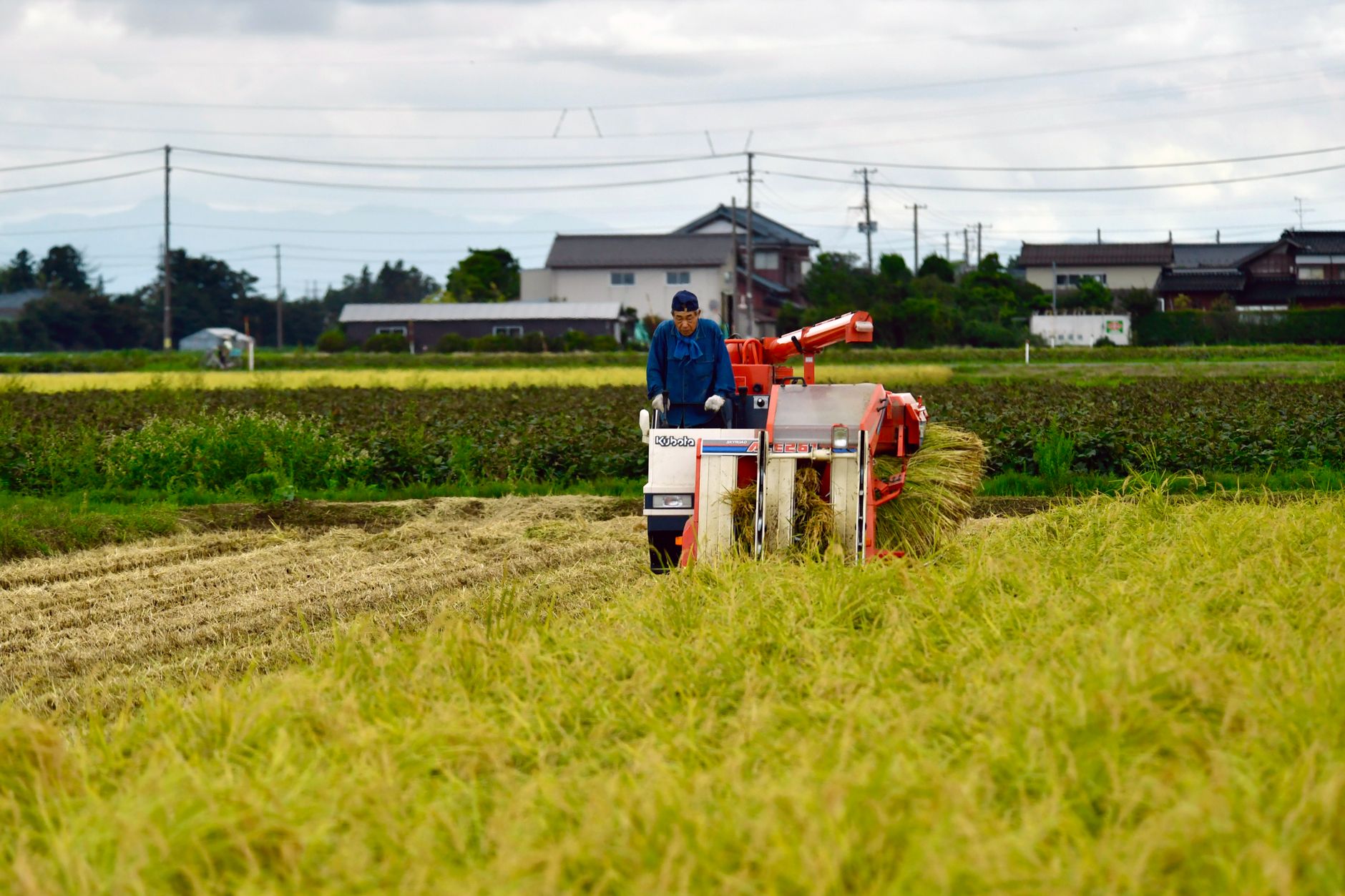
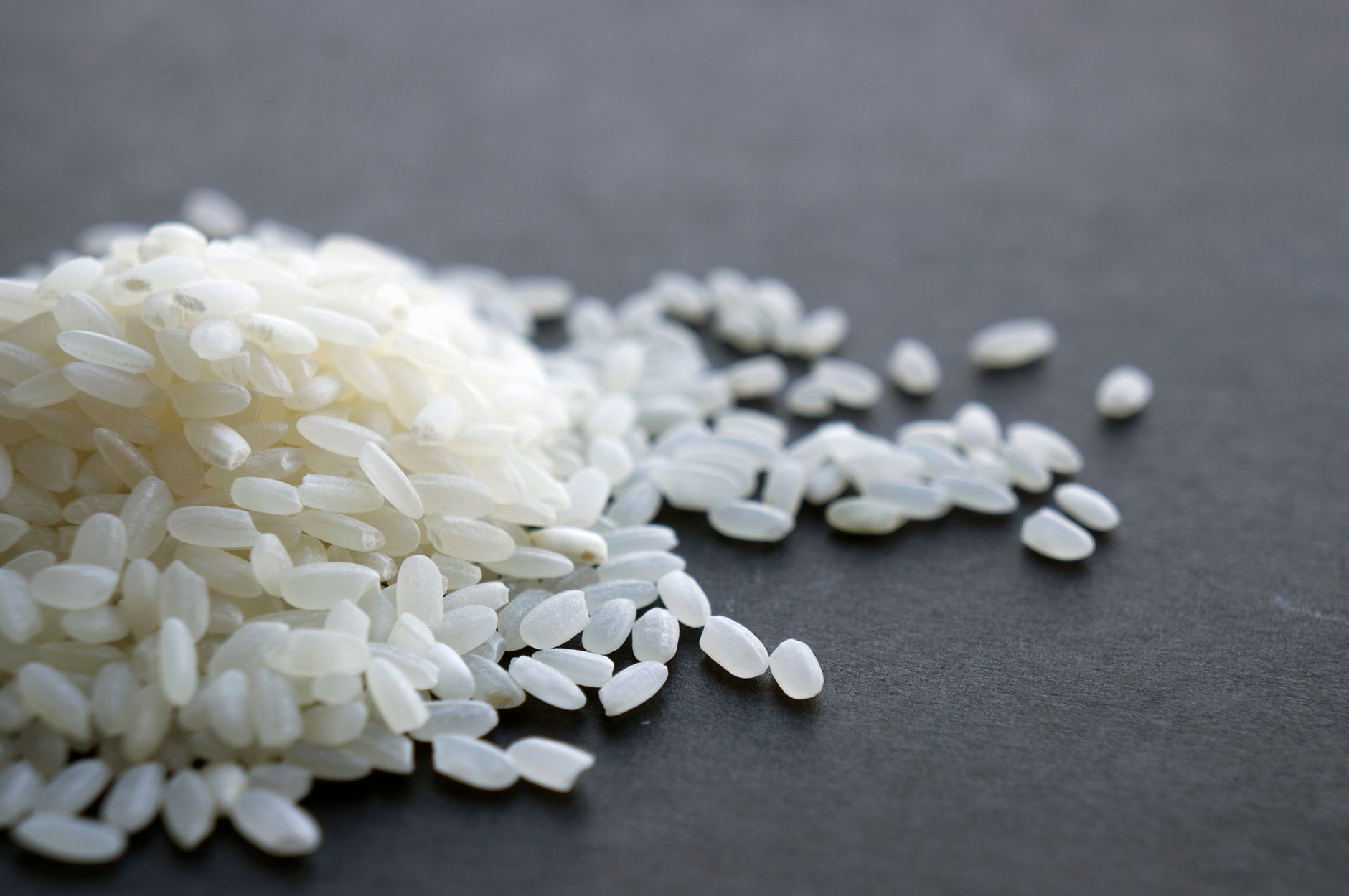
The main ingredient of sake is rice. Many breweries use “sakamai” (sake rice, formally “shuzo kotekimai”), varieties suited to brewing, with large grains and plenty of starch at the centre. In recent years Japan has faced a shortage of table rice, the rice used for everyday meals, and prices have soared. The effect has spread to sake rice, and prices have kept rising while procurement has become difficult. According to the credit research firm Teikoku Databank, there are even cases in which 2025-harvest sake rice rose by more than 40% compared with the previous year’s harvest. This is a harsh situation for small and medium-sized breweries, for which raw material costs weigh heavily on the business.
Local support spreads across the Chubu region
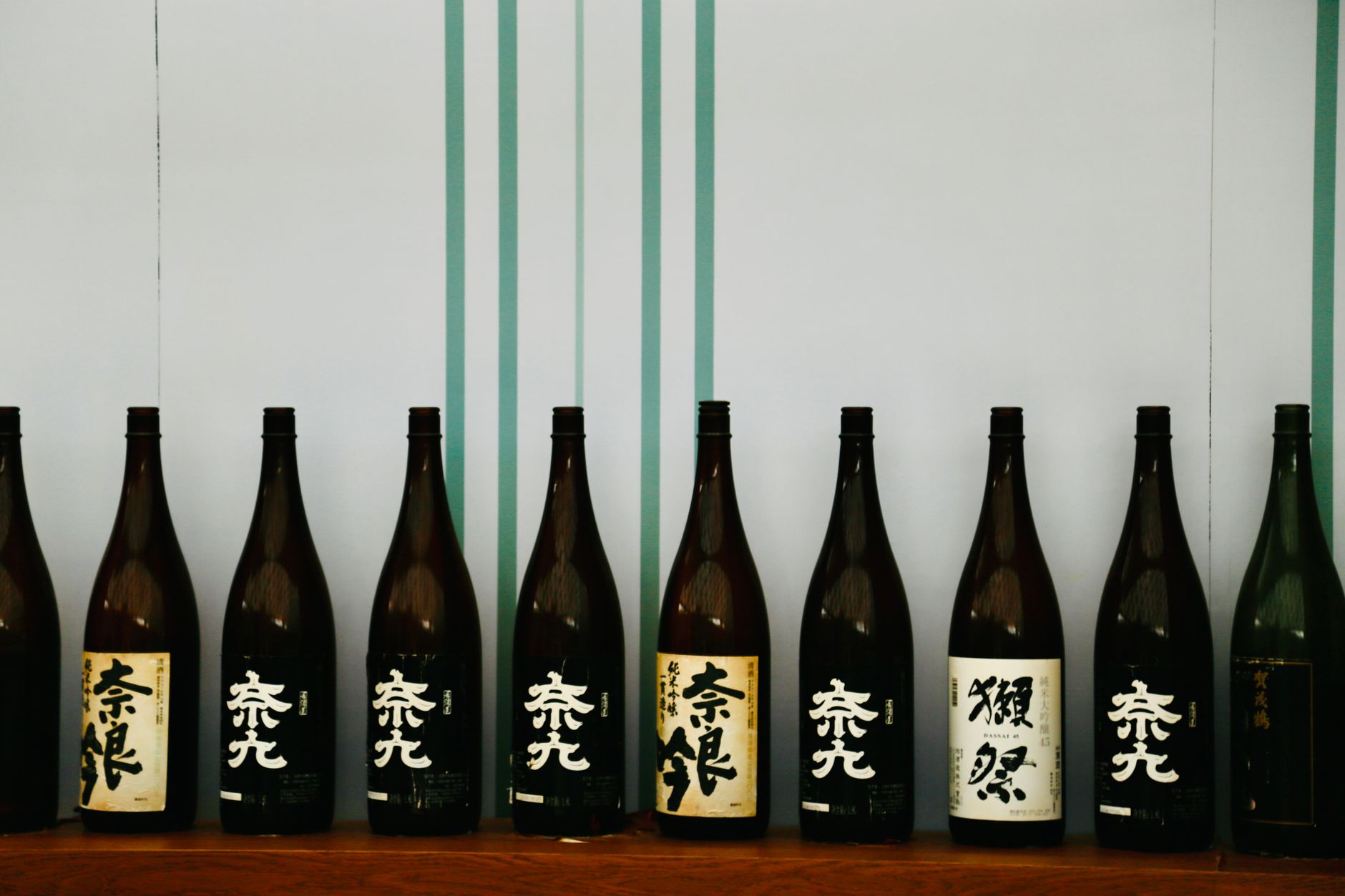
Aichi is not alone. The neighbouring prefectures of Gifu and Mie have already included support money for sake breweries in their budgets. Local governments directly covering raw material costs are following one another across the Chubu region, which suggests that the surge in sake rice prices is seen as an issue bearing on the survival of regional industry.
For those who enjoy sake in Europe, this news offers a clue to what lies behind the bottle. The effect on export prices and supply is not yet clear, but the rising cost of the raw rice is a pressing problem for producers. When buying, check the rice variety used and the polishing ratio (seimai buai) on the label or in the importer’s description. The polishing ratio is the proportion of the grain that remains after the outer layers have been milled away; the smaller the number, the more has been polished off. Knowing about the rice and the circumstances of the region where it is grown may change how you appreciate a glass. If you come across sake from breweries in Aichi, Gifu or Mie, why not pick up a bottle as a product of a region that keeps brewing despite higher raw material costs?
Sources
This article was written by The Sake Wire editorial team, summarising the public sources listed above. Images are our own.
Try Akita sake in the EU — from €6
180 ml tasting bottles and full-size sake, wine, beer and gin, shipped from Amsterdam within the EU.


