The Aroma of Whisky and Water Depends on the Water: LIXIL Puts It to the Test
Japanese home-fixtures maker LIXIL has shown through research that the alkalinity of the water used to dilute whisky affects how well its fruity aromas survive.

The higher the alkalinity of the water, the more of the lively aroma remains
LIXIL, a Japanese company that makes water-related products such as water purifiers, presented the research at the 73rd annual meeting of the Japanese Society for Food Science and Technology, held in Sendai in August 2026. The study focused on the water’s “alkalinity”. This is an indicator of the capacity of bicarbonates and other substances in water to neutralise acids, and it expresses how strongly the water resists changes in pH. In 2024 the company also announced that alkalinity has a major influence on the flavour of green tea, black tea and coffee. This time, it diluted commercially available whisky with water adjusted to four alkalinity levels (0, 50, 100 and 300 mg/L) and analysed 76 aroma compounds. The result: a compound called diethyl acetal, which gives a lively, fruity aroma, was detected in greater amounts the higher the alkalinity of the water used for dilution.
How the aroma compounds are protected
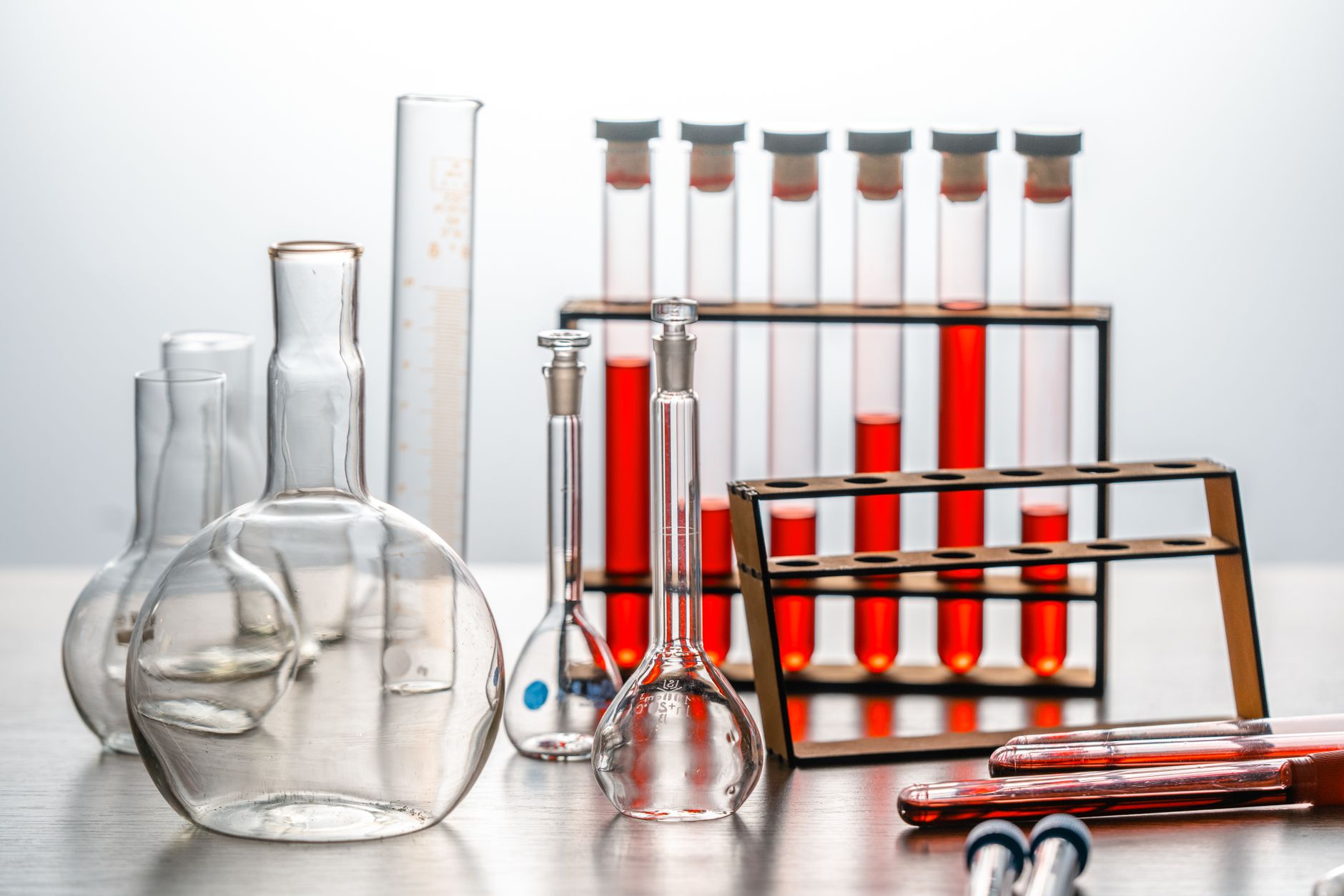
To confirm the mechanism, the research team added labelled diethyl acetal to whisky and prepared diluted drinks. In water of low alkalinity, the compound reacted with the water and broke down readily. In water of high alkalinity, the breakdown was suppressed. This type of breakdown is said to proceed more easily under slightly acidic conditions, and indeed whisky diluted with high-alkalinity water had a higher pH. In other words, it is thought that the water prevents the pH from dropping and so protects the whisky’s own aroma compounds.
Even the same bottle differs depending on the city’s tap water
The team also ran the same test with tap water from three Japanese cities with different alkalinity: Fukuoka (20 mg/L), Osaka (45 mg/L) and Tokyo (80 mg/L). The cities with higher alkalinity tended to give more diethyl acetal. This means that even the same whisky can smell different depending on where the water used to dilute it comes from.
In Europe, too, the character of tap water varies greatly from region to region. If you enjoy your whisky with water at home, it is worth comparing the same whisky diluted with tap water and with bottled water. If the label of a mineral water states the amount of bicarbonate (HCO3), it can serve as a rough guide to alkalinity. In Japan, shochu and sake are sometimes diluted with water as well, but this study covered only whisky, so it is not yet known whether the same effect applies to other drinks. Lining up a few glasses and checking with your own nose can be fun, too.
Sources
This article was written by The Sake Wire editorial team, summarising the public sources listed above. Images are our own.
Try Akita sake in the EU — from €6
180 ml tasting bottles and full-size sake, wine, beer and gin, shipped from Amsterdam within the EU.


