TWSC2026: four shochu and awamori brands reach the top
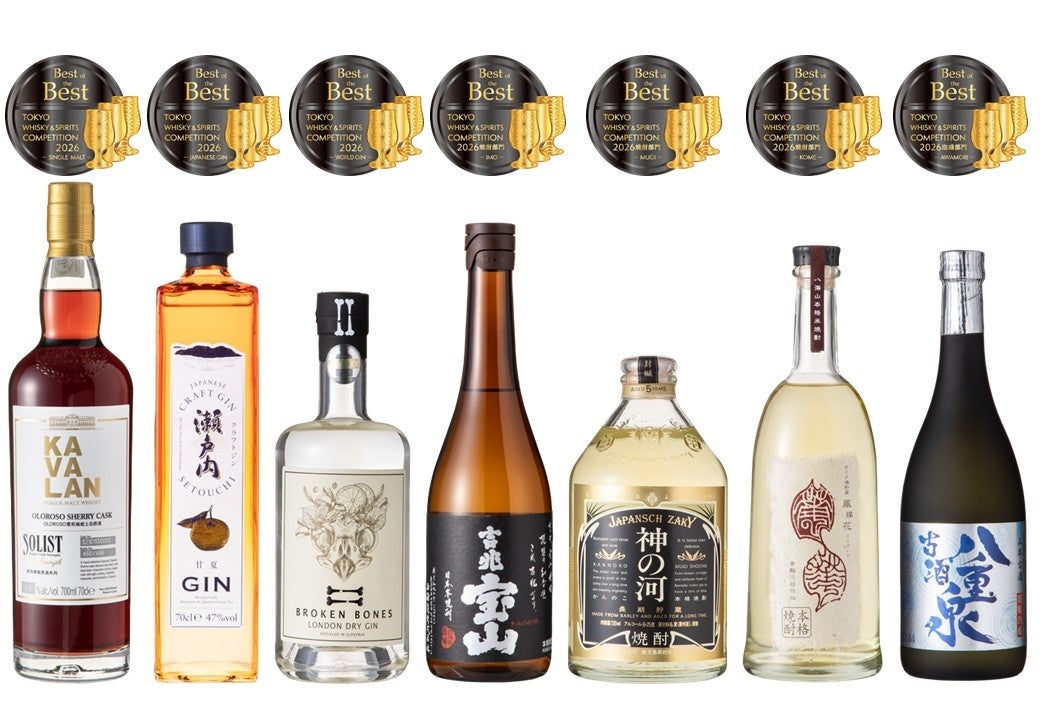
At TWSC2026, one of Asia's largest spirits competitions, 783 entries were judged, and seven bottles, including whisky, gin, shochu and awamori, won the top prize, BEST OF THE BEST.
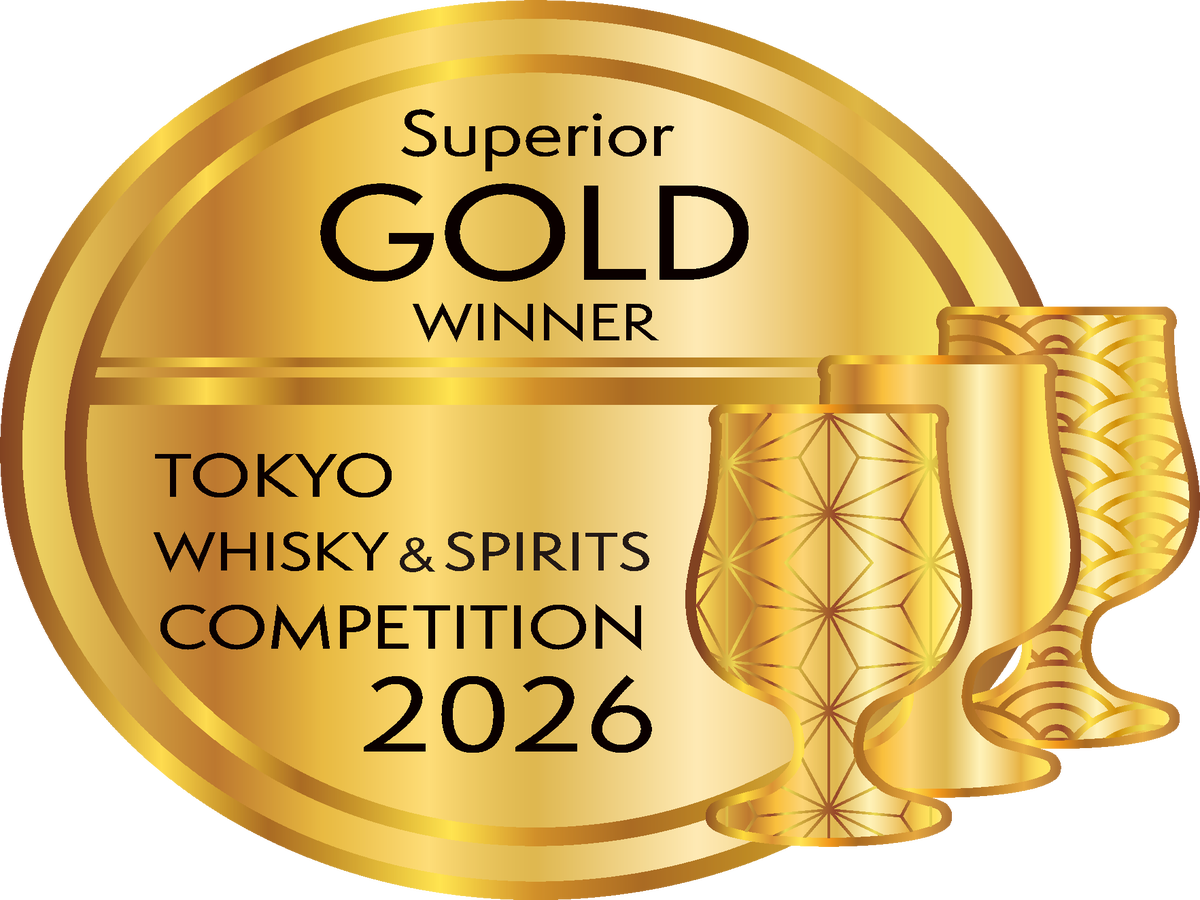
The Tokyo Whisky & Spirits Competition (TWSC) is a spirits competition organised by the Whisky Culture Institute. The results of the eighth edition, held in 2026, were announced on 15 May. There were 783 entries in total: 594 in the Western spirits category, which covers whisky, gin, brandy and more, and 189 in the Shochu and Awamori category, which covers Japan’s traditional distilled spirits. The organiser describes it as the only spirits competition of its kind in Japan and one of the largest in Asia.
BEST OF THE BEST: the pinnacle across categories
BEST OF THE BEST is a special award that picks the number one in each category regardless of country or region. Candidates are chosen from the Double Gold and Gold winners, then judged again in a blind tasting with the brands concealed, and the single highest-scoring bottle is selected. In the Western spirits category, three bottles won. The single malt whisky is Kavalan Soloist Oloroso Sherry Cask Cask Strength from Taiwan’s Kavalan Distillery, which has now won four years in a row. Among Japanese gins, Craft Gin Setouchi Amanatsu from Miyake Honten was chosen for the first time. In the World Gin category, Broken Bones London Dry Gin from Slovenia won on its first entry.
Rice shochu wins for the first time in the Shochu and Awamori category
Shochu is a Japanese distilled spirit made from ingredients such as sweet potato, barley and rice. Awamori is a rice-based spirit from Okinawa. Four bottles reached the top in this category. The sweet potato shochu is Kicho Hozan from Nishi Shuzo, the company’s first back-to-back win. The barley shochu is Kami no Kawa Black from Satsuma Shuzo, its second win and its first in three years. This is the first time the rice shochu category has been chosen. Hakkaisan Brewery of Niigata, known for its Hakkaisan sake, won with Fubaika, a rice shochu aged in oak barrels. The awamori is Koshu Yaesen (44%) from Yaesen Shuzo, which wins for the first time.
A narrow gate to Double Gold, and Japan’s new generation of distilleries
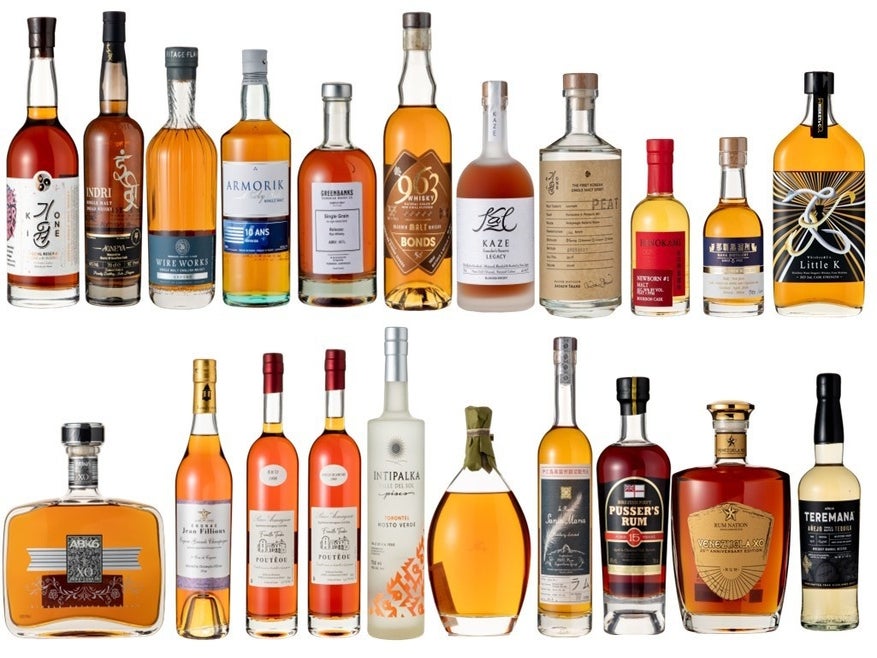
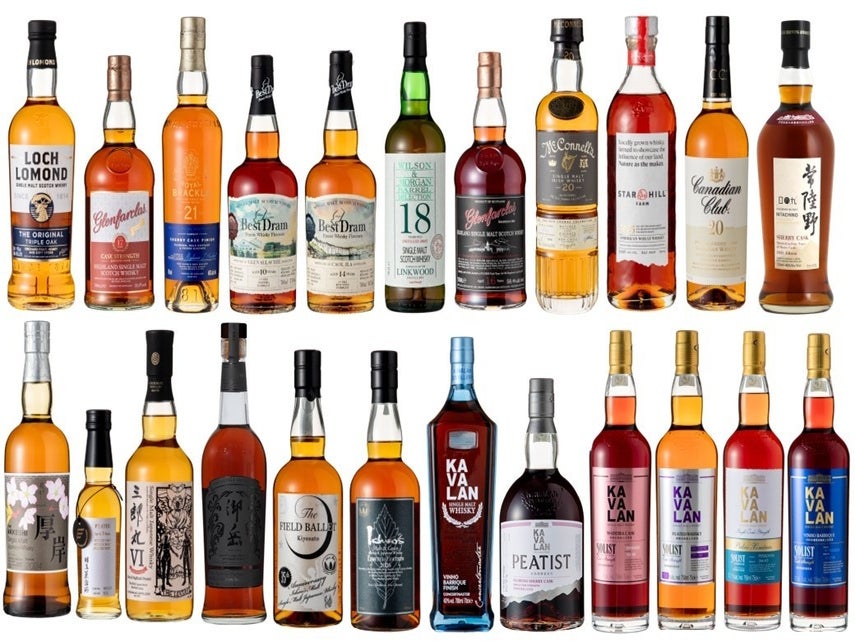
Double Gold went to 65 entries in the Western spirits category (the top 11% of entries) and 23 in the Shochu and Awamori category (the top 12%). The Western spirits category includes Japanese whiskies from distilleries such as Akkeshi and Saburomaru. The “new make” category, for unaged spirit, also included newer producers such as Hida Takayama Distillery. It is also notable that shochu producers Nishi Shuzo and Satsuma Shuzo won Double Gold in the whisky category too. There were also many awards for Japanese brandy, shochu-based spirits and gin, which shows the breadth of Japanese distilled spirits. Special awards such as the Japan Grand Prix and the Best Design Award were, at the time of the announcement, due to be announced separately at a later date.
If you are searching in Europe, gin is the best place to start. Many Japanese gins make use of Japanese botanicals such as citrus fruit, and it is an approachable category. Shochu is a spirit that is often lower in alcohol than whisky. You can drink it on the rocks or with water, and explore the differences in aroma between ingredients in whichever way suits you. For people who like whisky, the award for a cask-aged rice shochu may be a good reason to take an interest in shochu.
Sources
This article was written by The Sake Wire editorial team, summarising the public sources listed above. Images are our own.
Try Akita sake in the EU — from €6
180 ml tasting bottles and full-size sake, wine, beer and gin, shipped from Amsterdam within the EU.


