Shochu Highballs Meet Sichuan and Yunnan Cuisine in Chengdu
JETRO held an event in Chengdu, China, pairing shochu highballs with south-western Chinese cuisine, exploring a new way to sell shochu, whose exports are far smaller than sake's.

A Shochu Cocktail Made with Local Aromas

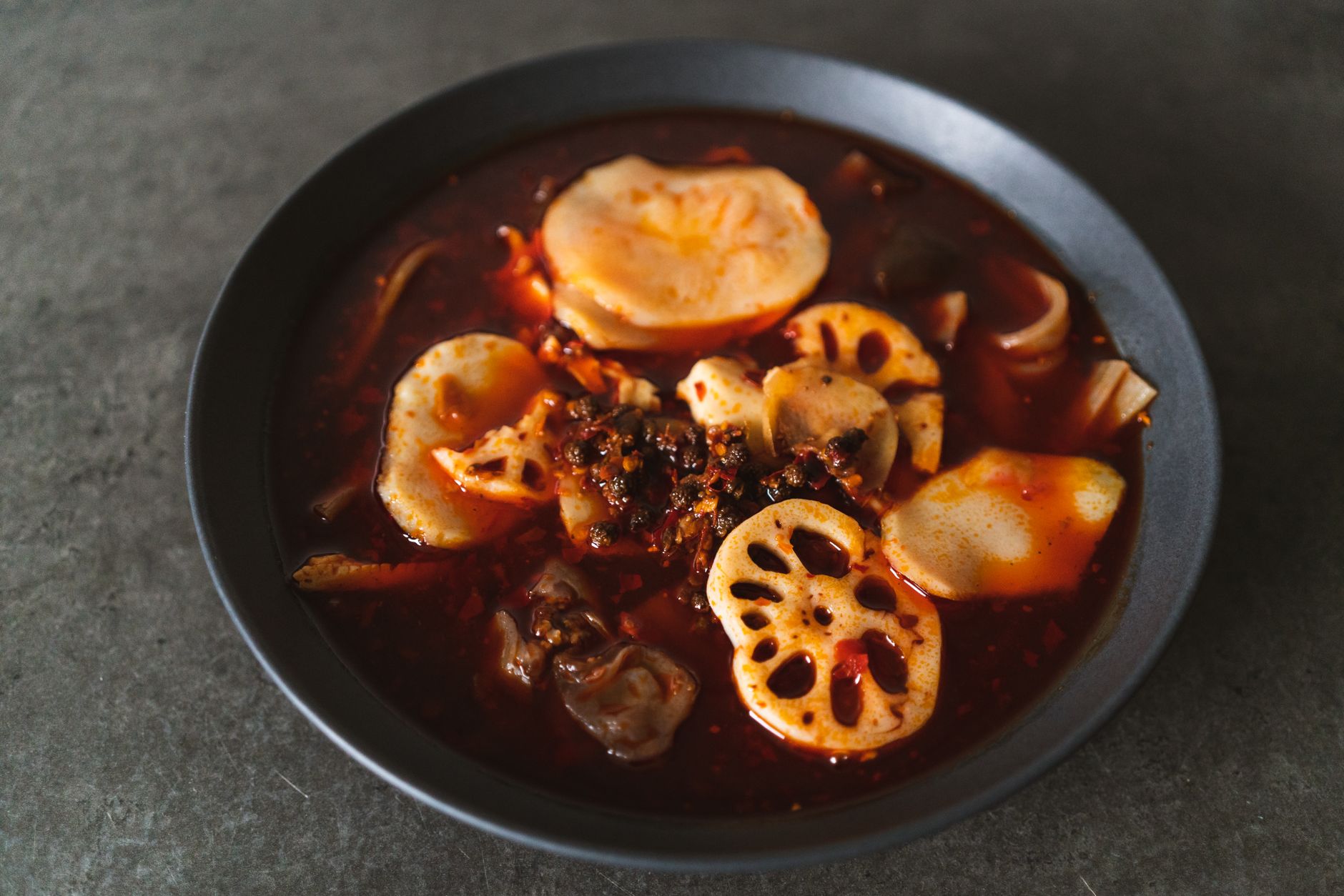
On 12 March 2026, the Japan External Trade Organization (JETRO) held a pairing event for Japanese drinks and food in Chengdu, the capital of Sichuan Province in south-western China, for local bistro and bar professionals. There were 16 participants from 15 companies. The venue was a city bistro serving what is known collectively as Yun-Gui-Chuan cuisine, covering the three provinces of Yunnan, Guizhou and Sichuan. An instructor holding the Japanese sake qualification of kikisake-shi (sake sommelier) introduced Japanese drinks, with a focus on shochu, and the bistro’s owner prepared original cocktails combining shochu with local ingredients. The mixers chosen were lemons from Anyue in Sichuan, mujiangzi (litsea cubeba) from Guizhou, roses from Yunnan, and green Sichuan pepper from Chongqing. Mujiangzi is a small fruit of the laurel family, with an aroma similar to lemongrass and a tingling bite like sansho pepper. The cocktails were served with creative dishes that freely combined elements of south-western Chinese cooking.
Over 80% Want to Serve It in Their Own Venues
Participants said that cocktails made with Japanese shochu were a first for them and felt fresh, and that the pairing of shochu highballs with Yun-Gui-Chuan cuisine was interesting. In a survey after the event, more than 80% of participants said they would like to add shochu or shochu-based drinks to their own venue’s menu. The result suggests that proposing ways to drink shochu can spark interest among venues.
Just Over 4% of Sake: Where Shochu Exports Stand
Shochu is a Japanese distilled spirit made from ingredients such as rice, barley and sweet potato. According to the National Tax Agency, exports of shochu (single-distilled shochu) in 2025 rose 13.9% year on year to 1.96 billion yen. Even so, that is only 4.3% of the 45.879 billion yen in sake exports. China is the largest destination by value, and JETRO sees the key to expanding exports as winning over the Chinese market first. Rather than simply serving shochu neat in Japanese restaurants, it says, it is important to spread ways of drinking it that suit local cuisine among younger consumers there.
In Europe, too, shochu is still a hard drink to find, but that leaves room to try new ways of drinking it. If you come across shochu at an importer or online shop that stocks sake, try it first as a highball with ice and soda water. Following the Chengdu example, adding a little of a strongly aromatic ingredient such as lemon peel, sansho or Sichuan pepper, or herbs makes it easier to enjoy the character of shochu’s base ingredients. Pairing it with spicy food is also an interesting option. It will be worth watching how shochu, often overshadowed by sake, spreads abroad as a cocktail to drink with meals.
Sources
This article was written by The Sake Wire editorial team, summarising the public sources listed above. Images are our own.
Try Akita sake in the EU — from €6
180 ml tasting bottles and full-size sake, wine, beer and gin, shipped from Amsterdam within the EU.


