Shochu distillery's Yakusugi cedar cask whisky, billed as a world first, to launch in winter 2026
Komaki Jozo, a long-established shochu distillery in Kagoshima, will officially release "Komaki Whisky" in winter 2026, matured in casks made from old Yakusugi cedar timber, felling of which is now ba

A shochu distillery that has survived three devastations
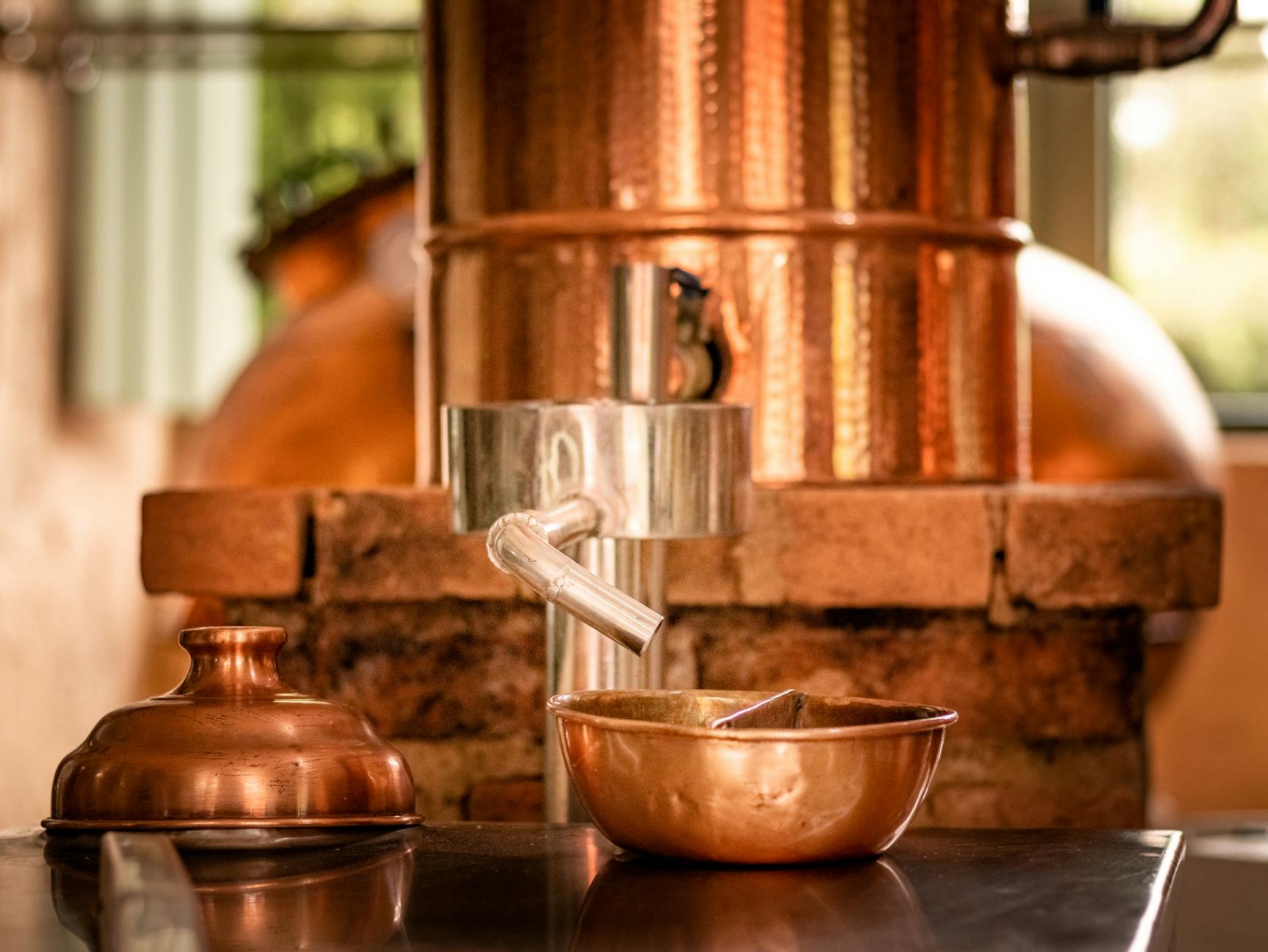
Komaki Jozo has been making shochu since 1909 in Satsuma, Kagoshima Prefecture, at the southern end of Kyushu. Shochu is a traditional Japanese spirit distilled from ingredients such as rice and sweet potato. The distillery has been struck by major disasters three times. In 1917 a great fire destroyed it, and it moved to its present site. In 1972 flooding halted production for seven years. In the heavy rains of July 2006, the Sendai River burst its banks and the distillery was submerged under four metres of water above floor level. Its equipment, its maturing shochu and its brewing records were all lost, but with the help of volunteers and business partners it resumed production just two months later. The distillery calls this rebuilding its “second founding”, and its flagship brand, Isshо (“Issho”), was born from it. It began making whisky in 2023.
Cedar casks from a conifer that has never been used

Whisky is generally matured in oak, a broadleaf wood. Conifers such as cedar have been avoided because their strong resin character can bring bitterness and harshness. Komaki Distillery has adopted Yakusugi casks, which it describes as a world first for whisky. Yakusugi is cedar that grows over hundreds to thousands of years in the poor granite soil of Yakushima, an island designated a World Natural Heritage site. Its growth rings are extremely fine, and its resin and aromatic components differ greatly from ordinary cedar. Felling is now banned for protection, so the wood used is “domaiboku”, timber felled in the Edo period (17th to 19th centuries) and left behind in the forest. It is an irreplaceable material, obtained in cooperation with a workshop on the island.
Clay jars, a stone warehouse, and an early gold medal

The whisky making also draws on the unglazed clay jars the distillery has long used for shochu, known as “wagame”. Wagame let a tiny amount of oxygen pass through very small pores, and microbes that have lived in them for over a century give the spirit a distinctive flavour. The principle is similar to the unglazed clay jars called qvevri used for Georgian wine. The large temperature swings of the mountain-ringed basin speed up maturation, and the house style centres on light, elegant fruit rather than heavy cask character. The maturation warehouse is a stone building erected in the 19th century and registered as a national Registered Tangible Cultural Property. Spirit is also maturing in bourbon barrels and in oloroso and PX sherry casks, and how these will be blended with the Yakusugi cask spirit will not be revealed until release. The new-make spirit released in 2024 sold out quickly, and in 2026 “Komaki Whisky New Born Peated Malt” won a gold medal in the Young Spirits category at the World Whisky Awards (WWA).
The first edition is scheduled for release in winter 2026, and details of overseas distribution have not yet been announced. The main point of interest is how the Yakusugi cask spirit will be combined with spirit from sherry and bourbon casks. Readers in Spain, the home of sherry, will be especially curious. For anyone interested in cask woods other than oak, or in maturation in jars related to the qvevri, this looks set to be a bottle that shows what a shochu distillery’s way of thinking can bring to whisky. The thing to watch is the balance between lightness and woody aroma.
Sources
This article was written by The Sake Wire editorial team, summarising the public sources listed above. Images are our own.
Try Akita sake in the EU — from €6
180 ml tasting bottles and full-size sake, wine, beer and gin, shipped from Amsterdam within the EU.


