Sekinoi Shuzo, the Shimokita Peninsula's Only Sake Brewery, Ceases Operations
Sekinoi Shuzo of Mutsu, Aomori, the Shimokita Peninsula's only sake brewery for 135 years, has ceased trading and is preparing to file for bankruptcy.

The Peninsula’s Only Brewery Falls Silent
In the north-east of Aomori, the northernmost prefecture on Honshu, the Shimokita Peninsula juts out in the shape of an axe. In its central city of Mutsu, Sekinoi Shuzo, the only sake brewery on the peninsula, and its affiliate Seki Shuzoten, which handled wholesale, ceased operations by 31 July. According to Aomori Asahi Broadcasting (ABA), citing Teikoku Databank and other sources, the two companies have placed the handling of their affairs in the hands of a lawyer and are preparing to file for personal bankruptcy. Seki Shuzoten was founded in 1891, and in 1984 its production arm became independent as Sekinoi Shuzo. From then on the two shared the work, with one brewing and the other wholesaling, producing the flagship brand “Sekinoi” as well as “Kandachime”, a tokutei meisho-shu (a premium class of sake that meets set standards for ingredients, rice polishing and so on).
What the Sales Figures Say About Regional Breweries
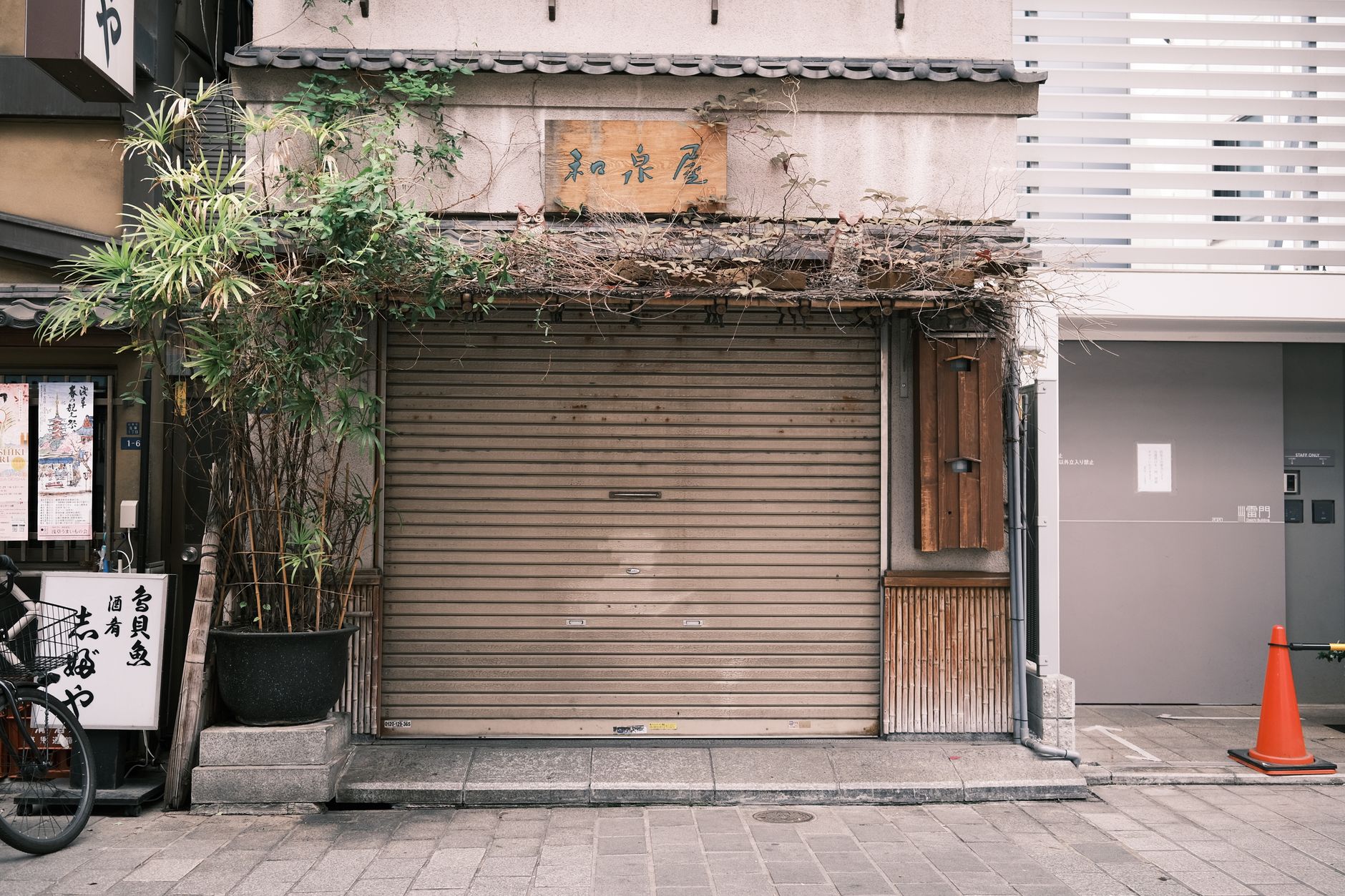
Sekinoi Shuzo’s sales stood at about 101 million yen in the fiscal year to June 2015, but had fallen to about 63 million yen by the fiscal year to June 2025. The wholesaler Seki Shuzoten also saw its sales more than halve, from about 676 million yen in the fiscal year to May 2010 to about 313 million yen in the fiscal year to May 2025. The reasons given are a stagnant local economy and sluggish sales as companies from outside the area moved in. Combined debts of the two companies are estimated at about 726 million yen. Some local residents were shocked to learn the news from a notice posted at the shop, and Mutsu’s mayor, Tomoya Yamamoto, said he was deeply shaken and indicated that the city would provide support together with the chamber of commerce and industry and Hello Work (the public employment service).
What This Means for Sake Lovers Abroad

While sake exports are growing, many small breweries that depend on local consumption are directly exposed to population decline and shrinking regional economies. Rising acclaim overseas does not reach every brewery. If European readers want to turn this story into something enjoyable, they can make a point of choosing sake from small, regional breweries rather than the big names when browsing import lists or in shops. Look at the prefecture named on the label and the year the brewery was founded, and use the tokutei meisho-shu designations (junmai, ginjo and so on) as a guide, and you will find it easier to come across a bottle that is truly of its place. When one brewery disappears, so does one of the flavours of that region. Taking an interest in the sake of the regional breweries that remain is one way to help keep those flavours alive.
Sources
This article was written by The Sake Wire editorial team, summarising the public sources listed above. Images are our own.
Try Akita sake in the EU — from €6
180 ml tasting bottles and full-size sake, wine, beer and gin, shipped from Amsterdam within the EU.


