Sapporo becomes first in Japan to brew with French regenerative-agriculture malt
Sapporo Breweries has used Regenova, a malt made from barley grown with regenerative agriculture by French maltster Soufflet Malt, in a beer for the first time in Japan.
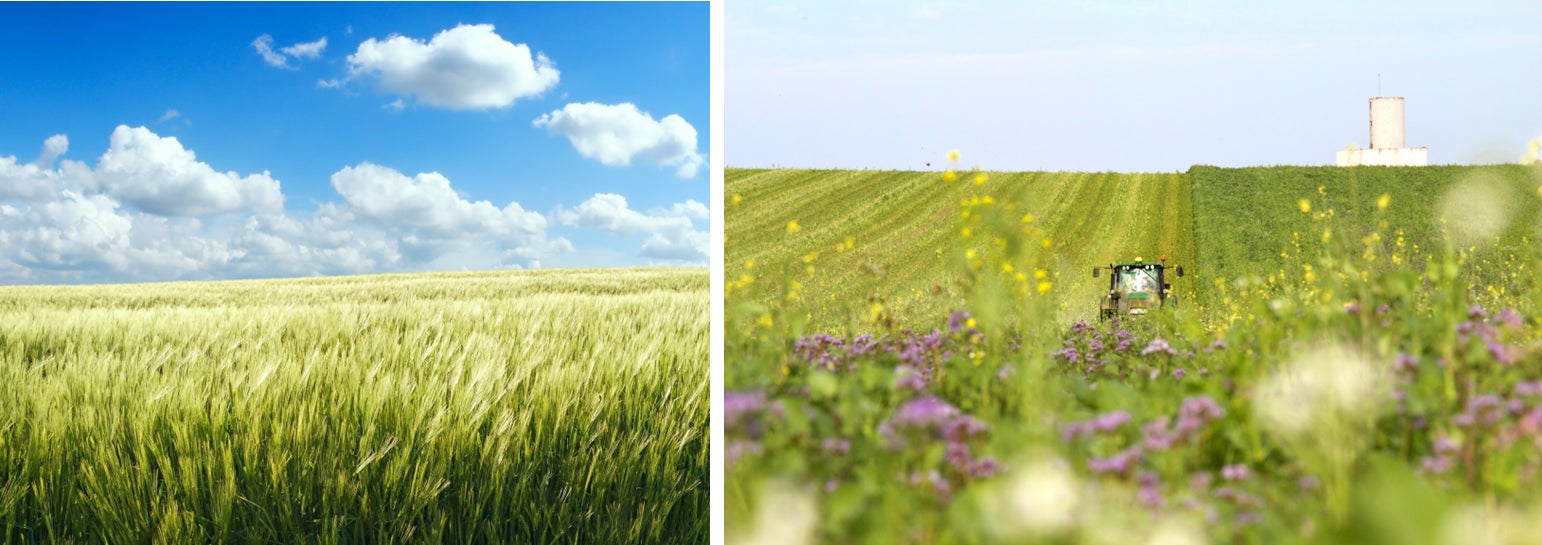
Sapporo Breweries, one of Japan’s major brewers and a group company of Sapporo Holdings, launched the beer Travelogue on 4 April 2026. It is brewed with Regenova, a malt made by the major French maltster Soufflet Malt. The raw material for Regenova is barley grown using regenerative agriculture. According to the company’s own research, this is the first time this malt has been used in a beer in Japan. It is an attempt to cut greenhouse gas emissions right from the raw-material stage, and a new development linking European barley with Japanese brewing.
Growing barley to keep the soil healthy
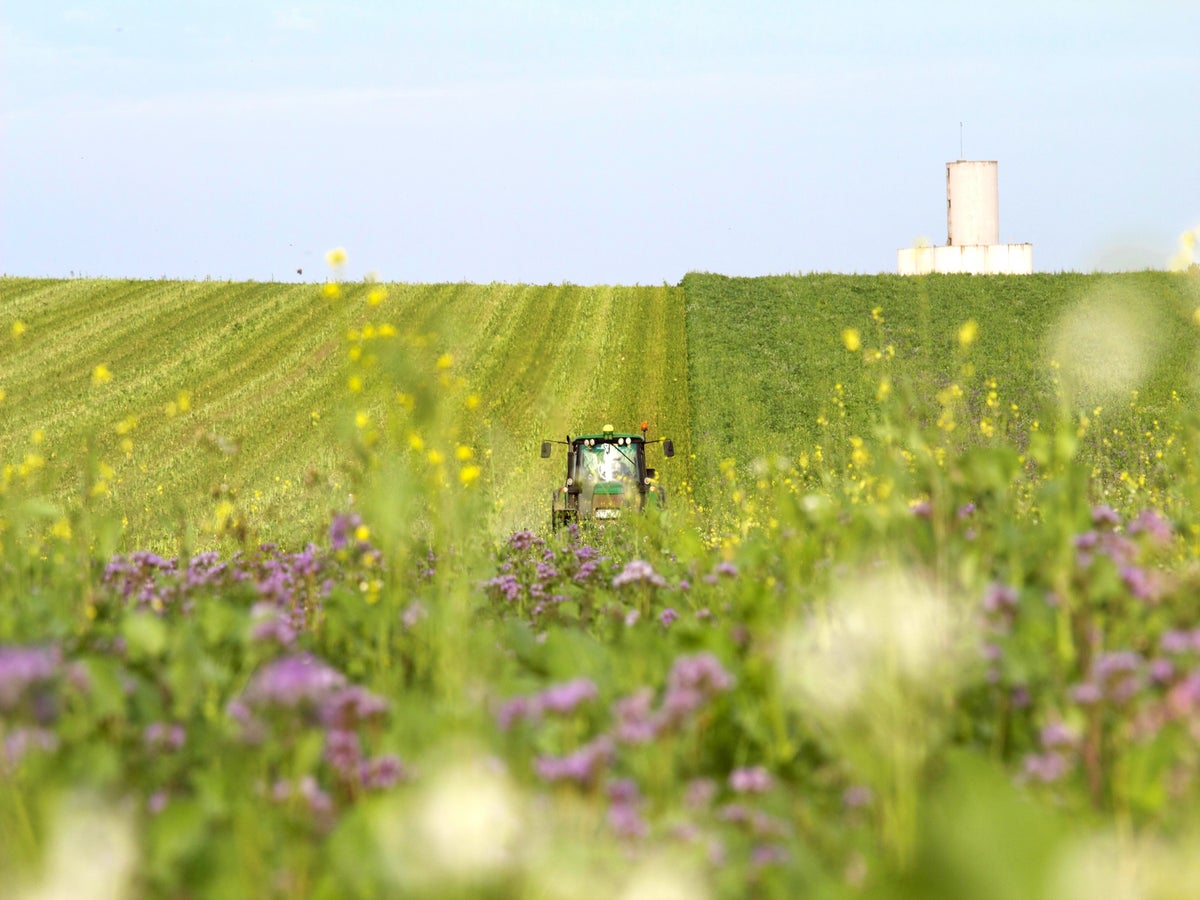
Regenerative agriculture is a farming approach that looks to the soil in the field, restoring its ecosystem to improve soil health so that crops can be grown for many years to come. In the barley fields that supply Regenova, three practices are combined: crop rotation, in which a different crop is planted each year; reducing how often the soil is tilled; and cover crops, which protect the soil when no crop is growing. The soil is also analysed so that fertiliser is applied only in the optimal amount needed. According to Sapporo Breweries, this reduces chemical fertiliser use, keeps barley yields stable, and helps with adapting to climate change and protecting biodiversity. Thanks to the reduced use of chemical fertiliser, greenhouse gas emissions are expected to be more than 6% lower than with conventional barley growing.
A long relationship with a French maltster

Regenova was developed for Sapporo Breweries on the basis of Soufflet Malt’s regenerative-agriculture malt, RegenAg. Sapporo Breweries has raw-material buyers known as “field managers”, who visit growing regions around the world and choose ingredients through direct conversations with producers. Long-standing relationships with suppliers like this led to the adoption of Regenova. The company names the realisation of a “decarbonised society” and a “society in harmony with nature” as priority issues in its sustainability strategy. It intends to keep using regenerative agriculture as an important means of reducing greenhouse gas emissions in farming and protecting biodiversity.
An era in which “what it is made from” matters

In Japanese brewing, most malt is imported from abroad. This initiative is notable because it extends carbon reduction beyond the brewery itself to fields overseas. Being able to explain where ingredients come from and how they are grown is becoming a strength that helps not only beer but Japanese alcoholic drinks as a whole earn trust in international markets.
For European readers, this story is close to home. The barley was grown in France, and it became a Japanese beer. However, the only announced sale is a limited-quantity release at the Tokyo brewery YEBISU BREWERY TOKYO, and there are no announced plans for the beer to be available in Europe for now. Even so, it is worth watching. Which barley a major Japanese brewer chooses, and how it was grown, will increasingly become a clue when choosing Japanese beer. If you come across a beer at your local bottle shop or craft beer bar whose label mentions malt from “regenerative agriculture”, take a look at the story behind the ingredients. Knowing how the barley was grown may change how you see Japanese beer.
Sources
This article was written by The Sake Wire editorial team, summarising the public sources listed above. Images are our own.
Try Akita sake in the EU — from €6
180 ml tasting bottles and full-size sake, wine, beer and gin, shipped from Amsterdam within the EU.


