A sake-lees distillery's double-extraction coffee liqueur
Sanaburi Distillery in Oga, which makes spirits from sake lees, has teamed up with a local roaster to launch a coffee liqueur: light-roast beans are distilled and dark-roast beans steeped.
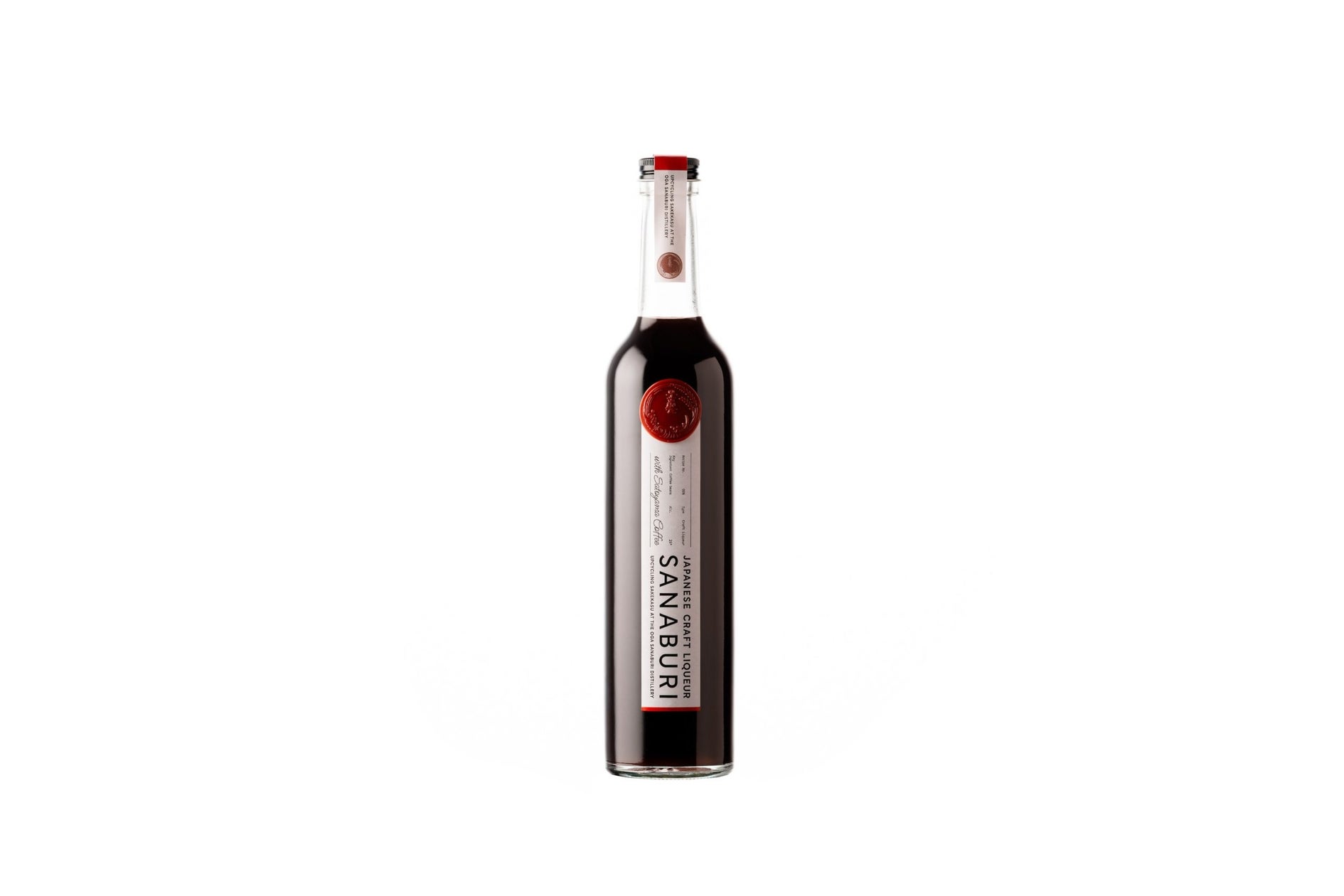
Sake lees, the residue left after sake is pressed, has long been used in Japan as a food ingredient and as a raw material for shochu. Sanaburi Distillery, on the Oga Peninsula in Akita Prefecture (on the Sea of Japan side of northern Honshu), is a new distillery that began operating in January 2025. It aims to make spirits from materials that are easily discarded, such as sake lees. Its latest release is a coffee liqueur, “SANABURI LIQUEUR Coffee prototype06”.
A distillery that began with sake lees
The operator, SANABURI Co., Ltd., was founded by about ten people, including the Oga brewery Inaba to Agave and its associates. Inaba to Agave makes what is known as “craft sake”: drinks that follow the basic method of sake brewing but are made with free-thinking touches such as added secondary ingredients. In the past, farmers bought sake lees from sake breweries and distilled them, drank the resulting spirit at the sanaburi festival held after rice planting, and used the leftover residue as fertiliser for their fields. The distillery is trying to recreate this custom in a modern form. It makes gin, liqueurs and other products, and the base for this liqueur also includes kasutori shochu (a shochu distilled from sake lees).
Light roast distilled, dark roast steeped
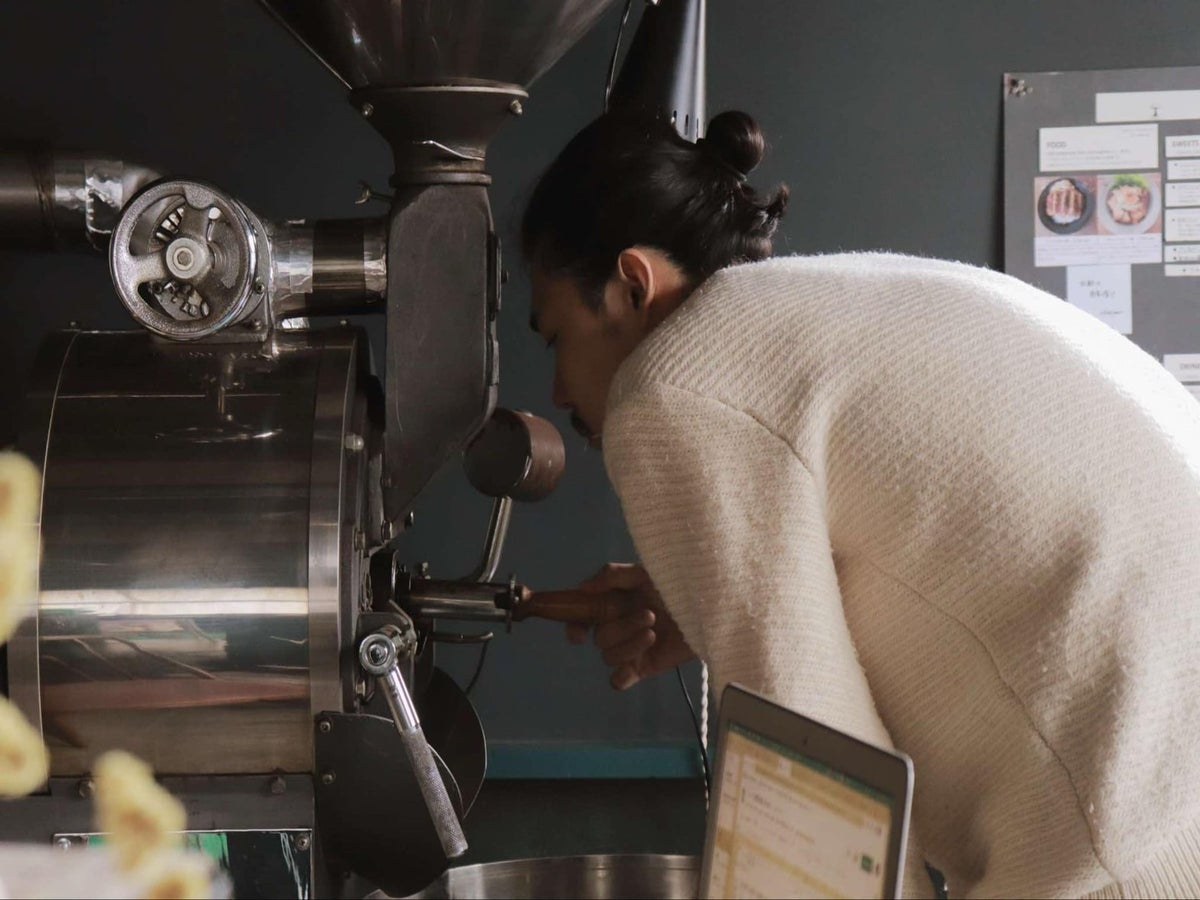
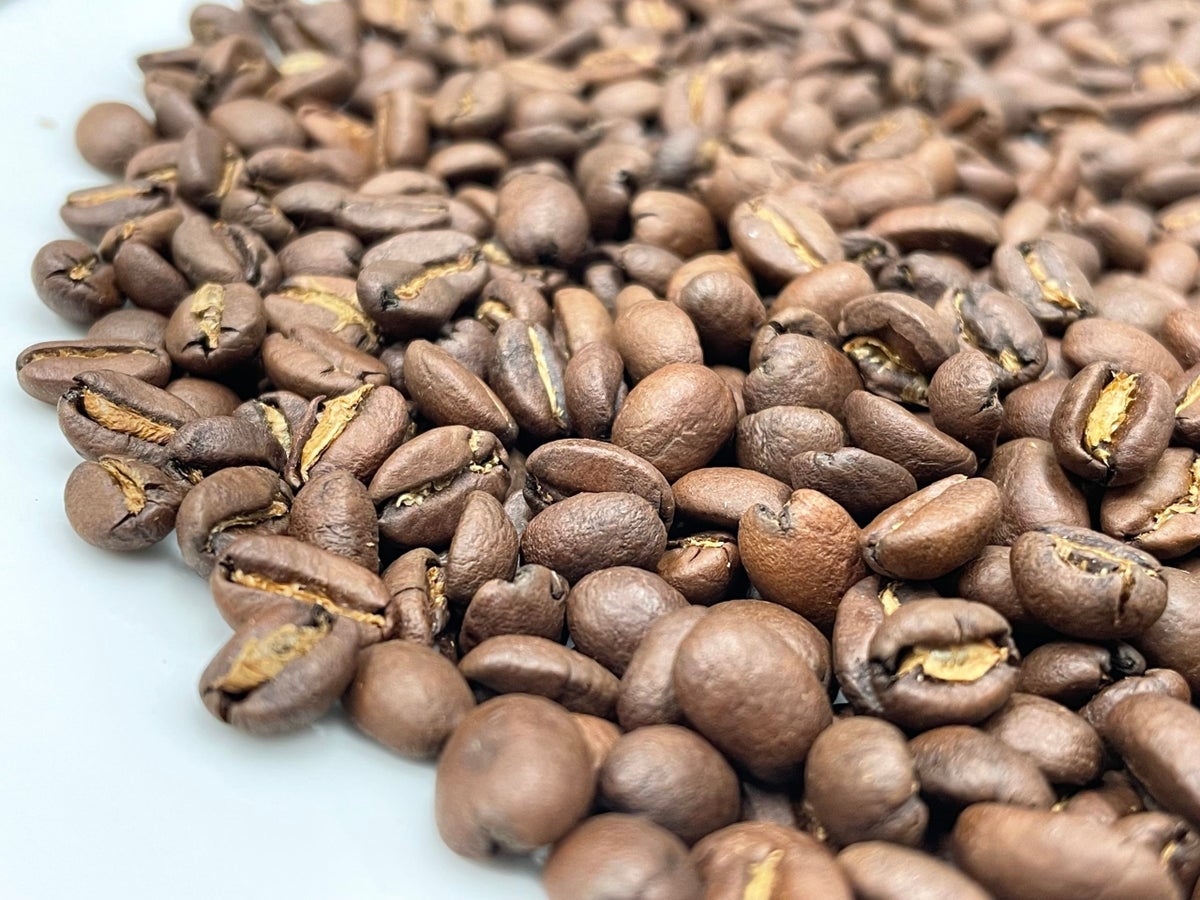
Its partner is Satoyama Coffee, a roaster in Oga that has worked with the distillery since it opened. What sets this liqueur apart is that the same beans are used in two roast levels and two extraction methods. First, light-roast beans are distilled to capture only their bright, fruit-like aroma, producing a coffee spirit. Dark-roast beans are then steeped in it to bring out bitterness and body. The beans are used within two weeks of roasting and ground on the day of production. The sweetness is restrained, and the liqueur is 25% ABV. Distiller Kazuki Tsuruta says he wanted to pack the brightness of a light roast and the body of a dark roast into a single bottle.
Beans from a single Ethiopian farm
The beans come from a single farm in Tefeari Kella in the Sidama region of Ethiopia. They are washed-process, giving a clean coffee without off-notes. Katsunao Onishi, who heads Satoyama Coffee, has visited Ethiopia himself and trades directly with the farmers. He also handles beans grown using agroforestry, a method of growing crops while preserving the forest. Onishi says he was surprised that the coffee flavour remains so distinct while being free of off-notes and easy to drink.
The stated point of sale is the distillery’s official online shop, so it is probably still rare to find in European shops. Even so, the way a distillery that started from sake lees, a by-product of sake brewing, is combining it with an unrelated ingredient like coffee to create a new style deserves attention. If you do get hold of a bottle, it is worth trying it neat first to see how the fruity aroma and deep body come together. The distillery recommends it mixed with milk (1 to 3), with cola, with beer, or as the base for an espresso martini. Since the espresso martini is so familiar in Europe, comparing versions made with this liqueur could be fun.
Sources
This article was written by The Sake Wire editorial team, summarising the public sources listed above. Images are our own.
Try Akita sake in the EU — from €6
180 ml tasting bottles and full-size sake, wine, beer and gin, shipped from Amsterdam within the EU.


