Sake exports reach 81 countries, but rising sake rice prices are a headwind
Sake exports reached a record 81 countries and regions in 2025, but higher prices for the rice used to brew it are becoming a brake on further growth.
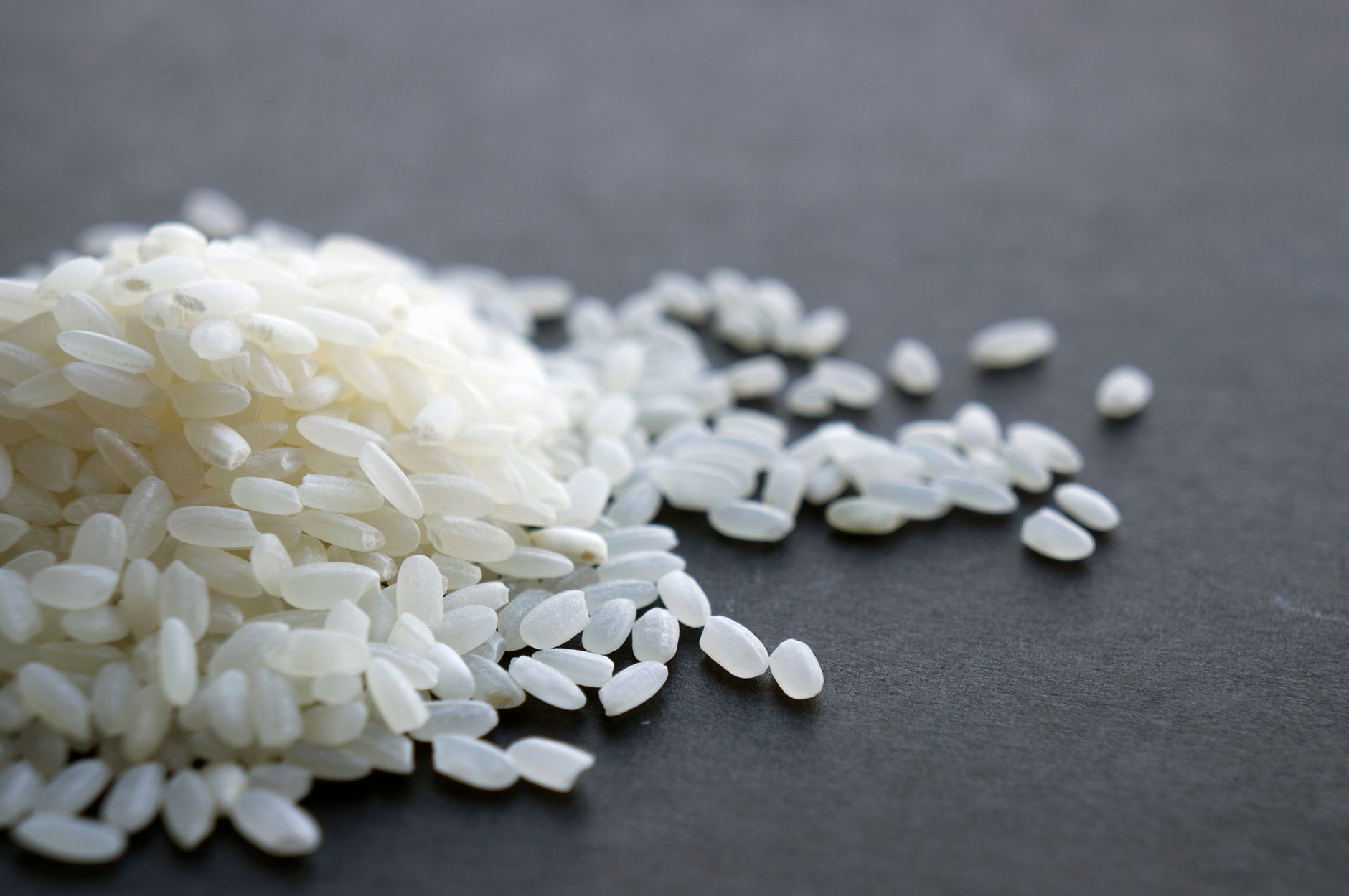
Sake exports are gaining momentum. With domestic consumption shrinking because of population decline and other factors, breweries across Japan are looking overseas for buyers, and in 2025 sake was shipped to a record 81 countries and regions. According to the Yomiuri Shimbun, however, the price of brewing rice (sake rice), the main raw material, has risen, and breweries face a dilemma: “There is demand abroad, but we may not be able to brew enough.”
Exports approach record highs, with growth in Europe too
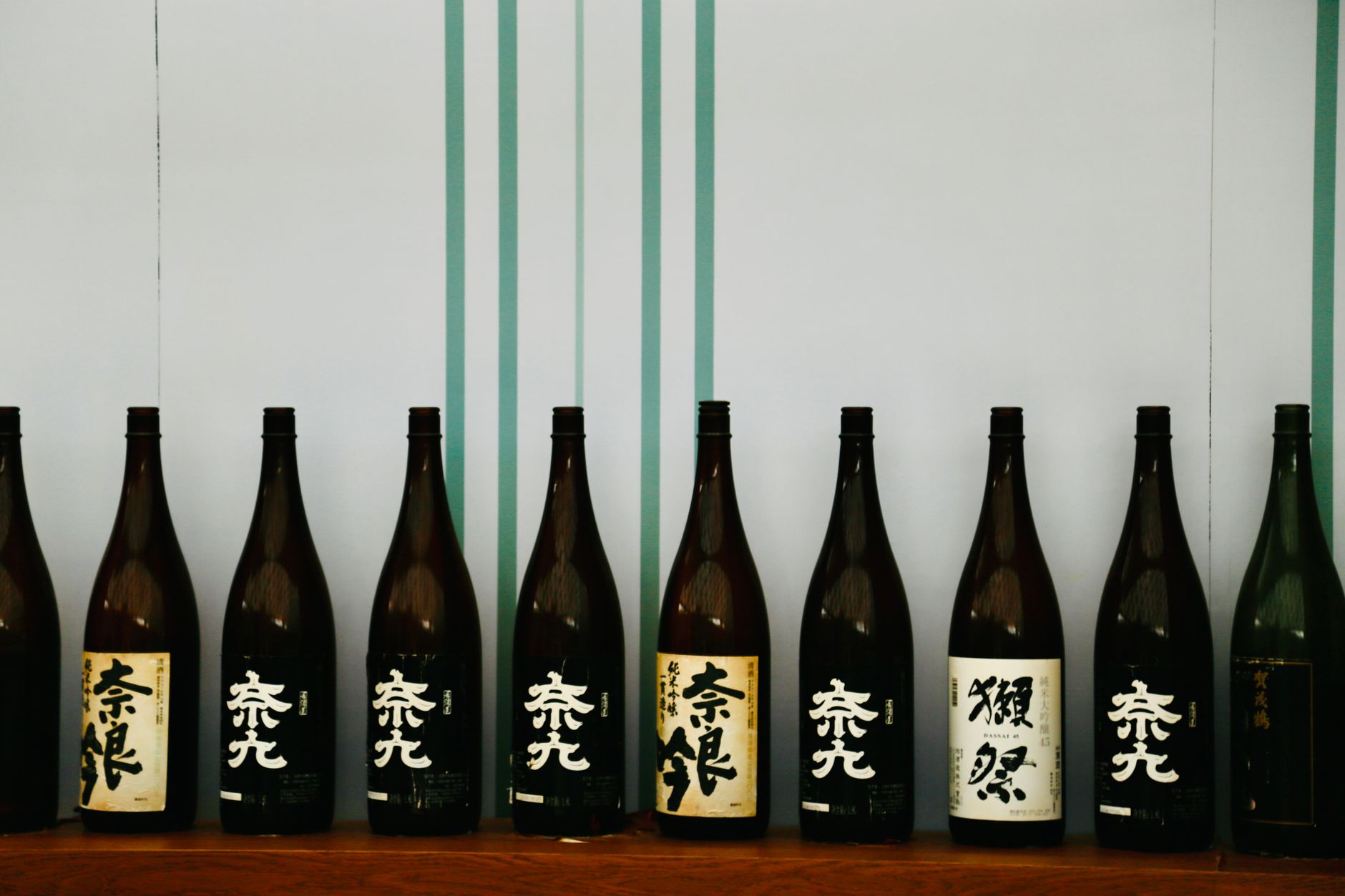
According to the Japan Sake and Shochu Makers Association, the industry body, sake exports in 2025 were about 33,500 kilolitres, up 8% on the previous year, and export value was about ¥45.9 billion, up 6%. Both figures are close to the previous record set in 2022. By country and region, China ranked first with ¥13.3 billion. Exports to South Korea, Canada and France all reached record highs, which is thought to reflect the popularity of Japanese food. Exports to the United States fell 3% to ¥11 billion, and the impact of tariffs imposed by the Trump administration is thought to have been limited.
Hakkaisan Brewery, known for its Niigata brand Hakkaisan, began exporting to the United States in 1995. Its export value in 2025 rose by about 10% on the previous year, with particularly strong growth in South Korea, where more shops now stock its sake. Small breweries are on the move too. Nakazawa Shuzo, which has been brewing for more than 200 years in Matsuda, Kanagawa Prefecture, began exporting to Spain last year and now sells to six countries, including China, the United States and Singapore. Its flagship is “S.tokyo”, brewed for overseas markets. Made with a special yeast and finished on the sweet side, it is reportedly drunk like a dessert wine in restaurants there. Ryo Kagiwada (39), the 11th-generation head of the brewery, plans to add drier sake that pairs more easily with meals.
Sake rice prices rise, losing out to table rice

According to the Ministry of Agriculture, Forestry and Fisheries, the trading price of Yamadanishiki from Hyogo Prefecture, a leading sake rice variety, was about 20% higher for the 2025 harvest than a year earlier. However, table rice rose even more and overtook sake rice in price, and more farmers are thought to be switching their plantings from sake rice to table rice. Production of sake rice from the 2025 harvest is expected to fall by about 10% on the previous year, and some breweries are cutting their brewing volumes because the raw material is hard to obtain. Together with rising costs for materials and energy, this is forcing brewers to make difficult decisions.
For people who enjoy sake in Europe, this bears on future selection and prices. A good first step is to check the rice variety and region of origin on your importer’s list. Even when the rice is the same, the flavour can differ greatly from one brewery to another. You might also compare styles: pair sweeter sake with cheese or baked sweets, as you would a dessert wine, and drier sake with everyday meals.
Sources
This article was written by The Sake Wire editorial team, summarising the public sources listed above. Images are our own.
Try Akita sake in the EU — from €6
180 ml tasting bottles and full-size sake, wine, beer and gin, shipped from Amsterdam within the EU.


