Sake brewed with yeast rescued from a collapsed brewery, a joint project of Noto and Kanazawa
Tsuruno Shuzoten, destroyed in the Noto Peninsula Earthquake, and Kanazawa's Fukumitsuya used rescued yeast for the first time in their third joint brew, after about two years of selection.
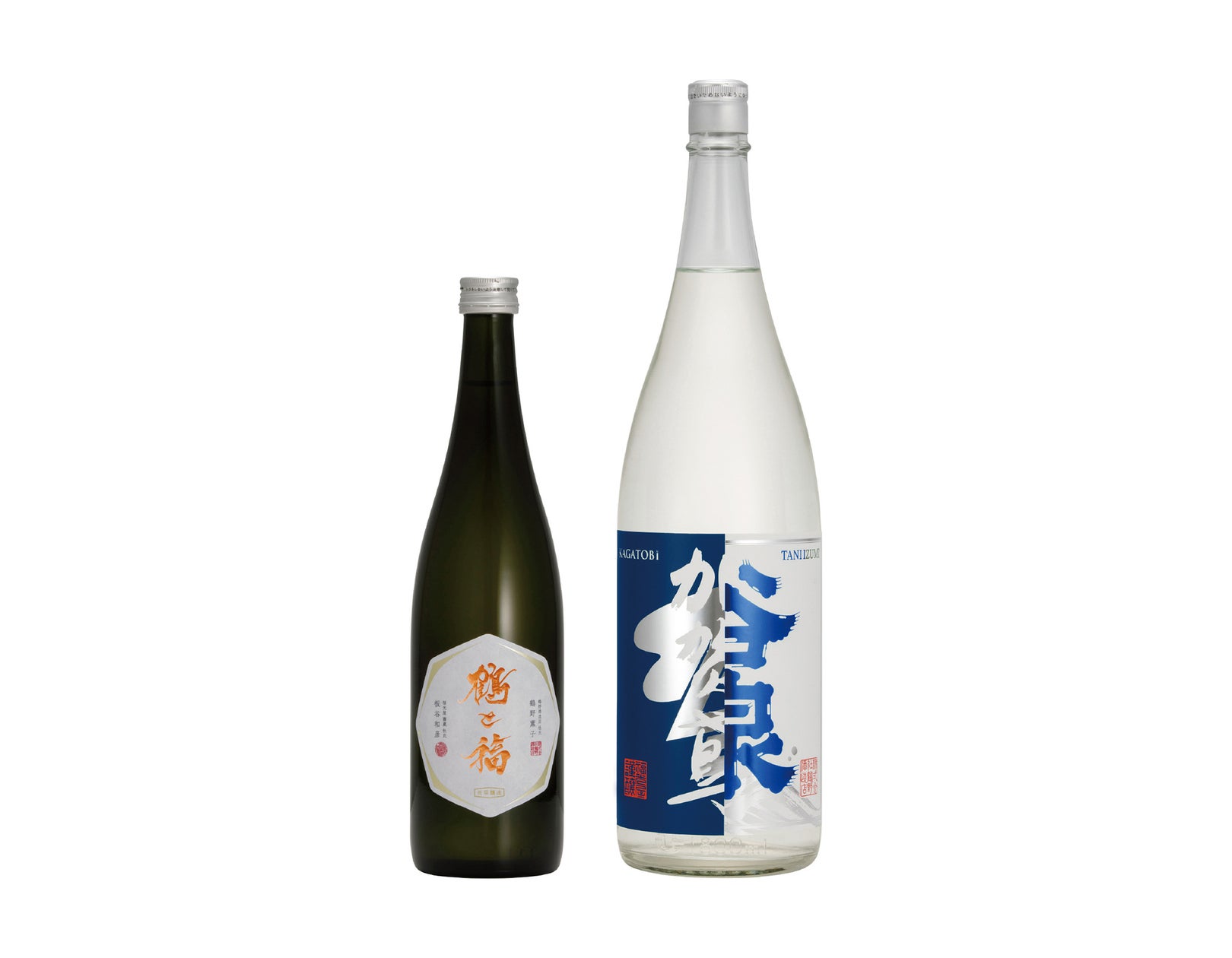
The Noto Peninsula in Ishikawa Prefecture juts out into the Sea of Japan. In Noto Town, on its eastern coast, Tsuruno Shuzoten has been brewing sake since the end of the 18th century. The 2024 Noto Peninsula Earthquake destroyed the brewery completely. Since then it has continued to brew jointly with Fukumitsuya, founded in 1625 in Kanazawa, also in Ishikawa, and the collaboration has now reached its third year. This time, for the first time, they used yeast rescued from the collapsed brewery.
Saving yeast from a collapsed brewery
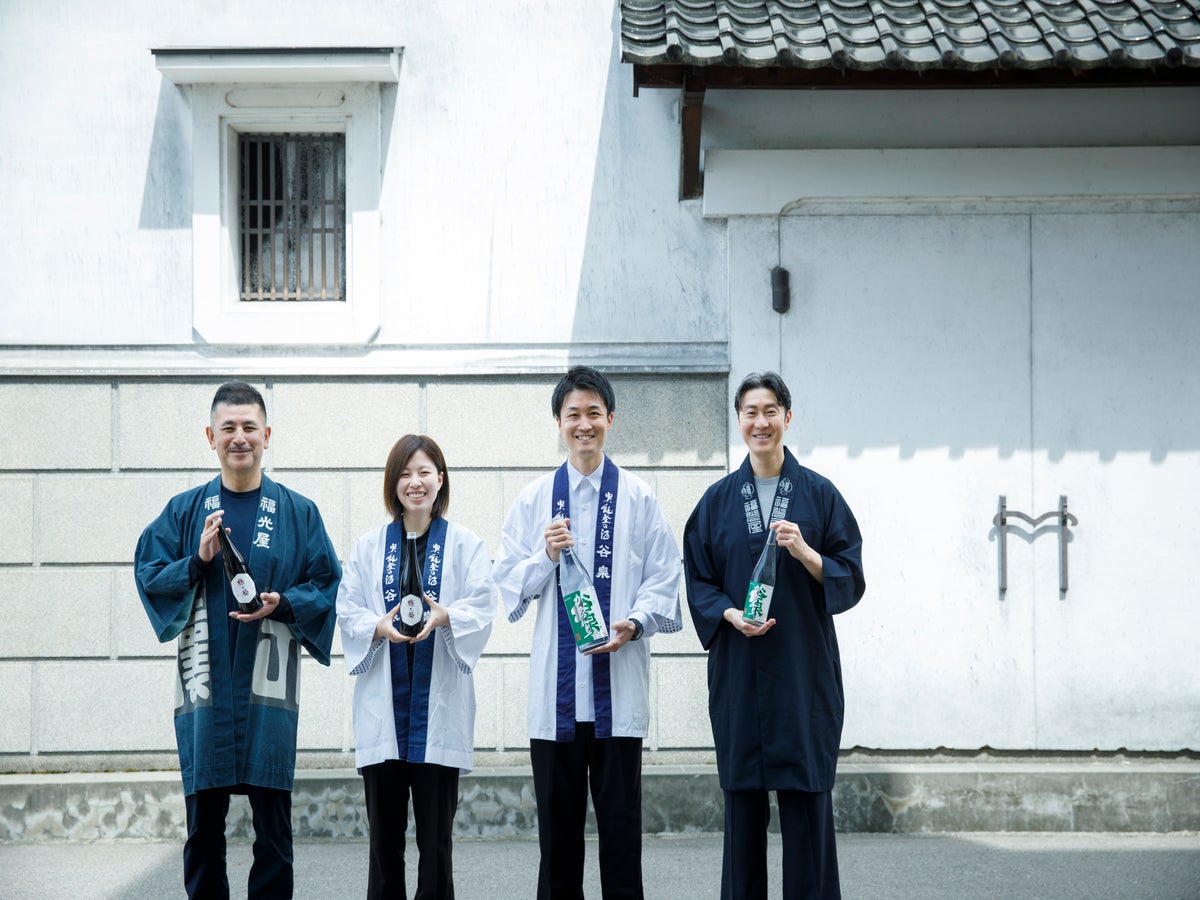
Yeast is a microorganism that turns sugar into alcohol and aroma. The strains handed down in each brewery greatly shape the character of its sake. The aim was to recover the original flavour of Tanizumi, Tsuruno Shuzoten’s flagship brand. With the help of Yuya Yamazaki of the Ishikawa Industrial Research Institute and Professor Takashi Koyanagi of Ishikawa Prefectural University, they examined about ten yeasts recovered from the brewery over roughly two years. The strain chosen was the vigorously fermenting “T yeast”. It was rescued from the shubo, the yeast starter culture that begins fermentation. Brewing was led by Kaoruko Tsuruno, the toji (head brewer) of Tsuruno Shuzoten, supported by Fukumitsuya’s toji Kazuhiko Itaya and the brewery workers.
Two junmai ginjo with different characters
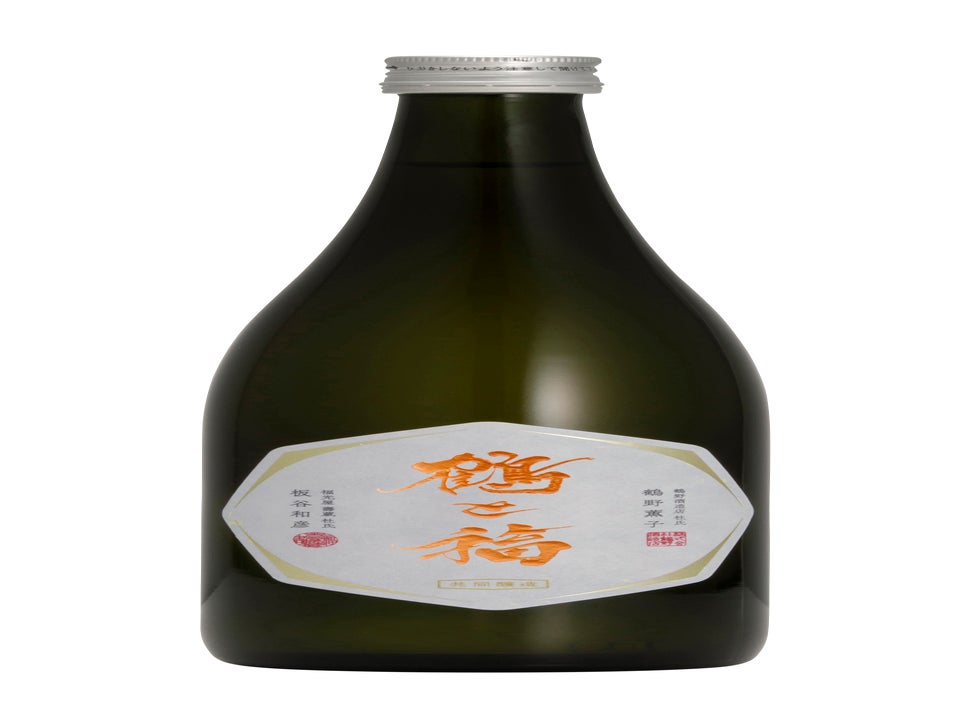
Both are junmai ginjo, made only from rice and rice koji. The outer 40% of each grain of brown rice is polished away, leaving 60% (a polishing ratio of 60%). “Tsuru to Fuku 2026” was brewed with T yeast alone. It is highly aromatic, with a sweet-edged umami and fullness. Its sake meter value, a guide to dryness, is +3.2 and its acidity is 2.1, giving it a firm acidity. It is recommended with egg dishes, vegetables sautéed in oil and cheese.
The other bottle, “Tanizumi × Kagatobi 2026”, is a 1:1 blend of Tanizumi and Fukumitsuya’s “Kagatobi”. Kagatobi uses a “flower yeast” isolated at the Junior College of Tokyo University of Agriculture. Its sake meter value is +4.7 and its acidity 1.5, and it is light and smooth on the palate. It is said to pair well with raw oysters, white-fish tempura and caprese. Production is limited to 1,000 bottles of Tsuru to Fuku and 865 bottles of Tanizumi × Kagatobi.
Passing on the brewery’s memory through yeast
When a brewery is hit by disaster, it can lose not only its buildings and equipment but also the yeast cultivated over many years. This time a prefectural research institute, a university and another brewery joined forces. They brought the rescued yeast back to market as commercial sake. Tsuruno Shuzoten is run by a brother and sister, who brew both “Tanizumi” and “Torai”. This project is a concrete step towards passing the flavours of Noto on to the future.
Because quantities are small, these two bottles will be hard to find in Europe. Even so, the story offers a way of looking at sake: asking which yeast it was brewed with. If you get into the habit of checking the yeast name on the label or in an importer’s notes, you will find it easier to read the differences in aroma and acidity, even between junmai ginjo with the same polishing ratio. If you come across a sake from Noto or Kanazawa, try it with familiar dishes such as cheese, egg dishes or oysters.
Sources
This article was written by The Sake Wire editorial team, summarising the public sources listed above. Images are our own.
Try Akita sake in the EU — from €6
180 ml tasting bottles and full-size sake, wine, beer and gin, shipped from Amsterdam within the EU.


