New Niigata Brewery's First International Competition Brings Top Awards for All Three Sakes
Niigata's new Yuki to Satoyama Brewery entered London's Tokyo Sake Challenge 2026 for the first time, and all three of its sakes won Platinum or Gold.
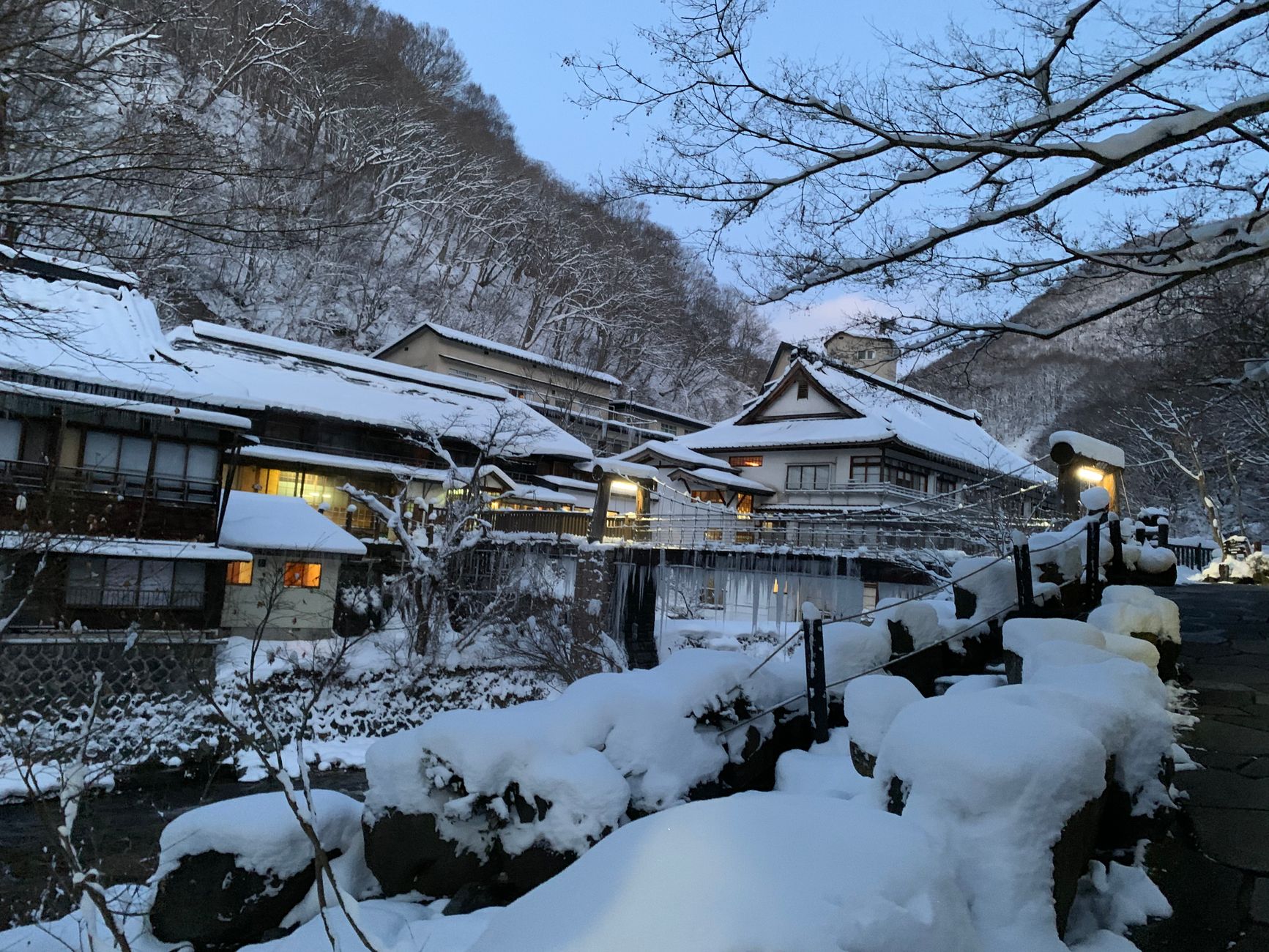
A small brewery that was founded only recently has drawn attention at an international competition in Niigata Prefecture, a region well known for sake. Yuki to Satoyama Brewery (representative: Tomomi Duquette), located in Matsunoyama, Tokamachi, Niigata, entered the Tokyo Sake Challenge 2026 for the first time in April 2026. The competition is organised by the Sake Sommelier Association (SSA), which is headquartered in London. All three products it entered, the “Snow Satoyama Sake – Satoyama Mariage Collection”, received either Platinum or Gold awards. Judging was carried out by sake sommeliers from various countries in blind tastings, with brand names and labels concealed.
The three sakes and the judges’ comments
The top award, Platinum, went to “The Crystal”. The judges praised its aromas reminiscent of mint, aniseed, ginger and Japanese sansho pepper, and its long, spice-like finish. “The Heritage”, which won Gold, was described as well balanced: alongside aromas of clove and cinnamon, it offers restrained sweetness, firm acidity and fine bubbles. “The Venus”, also a Gold winner, was praised for aromas of juniper, cedar and lemongrass that were compared to perfume and gin, along with citrus nuances. The Venus also received the Best Design award in the design judging held after the tasting.
Brewing with care in 30-litre batches and wooden vats
Matsunoyama is one of the snowiest areas in Japan, and the way of life of the mountain farming villages (satoyama) still survives there. The brewery uses premium rice from Uonuma. This includes rare rice grown without pesticides using aigamo farming, in which ducks are released into the paddies to eat weeds and insects. Each batch is only 30 litres, which is very small, and every step is done by hand. The sake is brewed in traditional wooden vats with the help of natural lactic acid bacteria, which is said to produce its natural acidity. No filter is used. Instead, the pressed sake is left to rest for several days, and only the naturally clarified upper portion is transferred to another tank. This is repeated many times to bring out its clarity.
A style designed to be paired with food

When the awards were announced, the sake was being served in very limited quantities, mainly at Michelin-starred restaurants in Japan. Chef Kosuke Kobayashi, third-generation owner of the one-Michelin-star restaurant Tokiwa Sushi in Tokyo, says it is as juicy as a wine, yet has an acidity that does not clash with ingredients that are hard to pair with wine and that brings out the umami of the food. Prompted by the awards, the brewery has begun accepting enquiries about new business from restaurants and others.
At the time of the announcement, no sales in Europe had been announced. However, since the organiser, the SSA, is based in London, this recognition may well reach European sommeliers. This applies beyond this brewery: when choosing sake from small breweries in Europe, descriptions such as “brewed in wooden vats”, “unfiltered” and “firm acidity” are useful clues. Sakes like these are easiest to enjoy served slightly chilled in a wine glass, as you would a white wine, and paired with oily fish or spiced dishes.
Sources
This article was written by The Sake Wire editorial team, summarising the public sources listed above. Images are our own.
Try Akita sake in the EU — from €6
180 ml tasting bottles and full-size sake, wine, beer and gin, shipped from Amsterdam within the EU.


