Craft sake from Niigata: a new wave overcoming the licensing barrier
In Japan, new sake-brewing licences are effectively unobtainable. In Niigata, a famed sake region, young breweries use the "other brewed alcoholic beverages" licence to make fruit-infused sake and sak
A new category born of the licensing barrier
Niigata Prefecture, on the Sea of Japan coast, has more sake breweries than any other prefecture in Japan. There, “craft sake” built on sake-brewing techniques is on the rise. The trigger is the licensing system. A licence to produce seishu (sake) for the domestic market is, in principle, no longer granted to new applicants. As a result, it is effectively impossible for a new brewer to start a sake brewery from scratch.
What these brewers use instead is the “other brewed alcoholic beverages” licence under the Liquor Tax Act. Under Japanese law, sake is defined as a beverage made by fermenting and pressing rice, rice koji and water. If fruit or other secondary ingredients are added, or if it is brewed using only rice that has been made into koji, it cannot legally be called sake. This category, however, is open to new entrants. Brewers can draw on sake-making skills while designing their drinks freely. It is giving new players a way into a sake market that continues to shrink.
Brewing with fruit from Sado Island
At the end of 2025, a craft sake brewery called SAKENOVA BREWERY opened on Sado Island (Sado City), which lies off the Niigata mainland. Using the sake-making method as its base, it adds strawberries, apples, mandarins and other produce grown on the island as secondary ingredients. This idea of bringing the local harvest into the drink has something in common with the terroir of wine.
“Ten-wari koji-shu”: all the rice made into koji
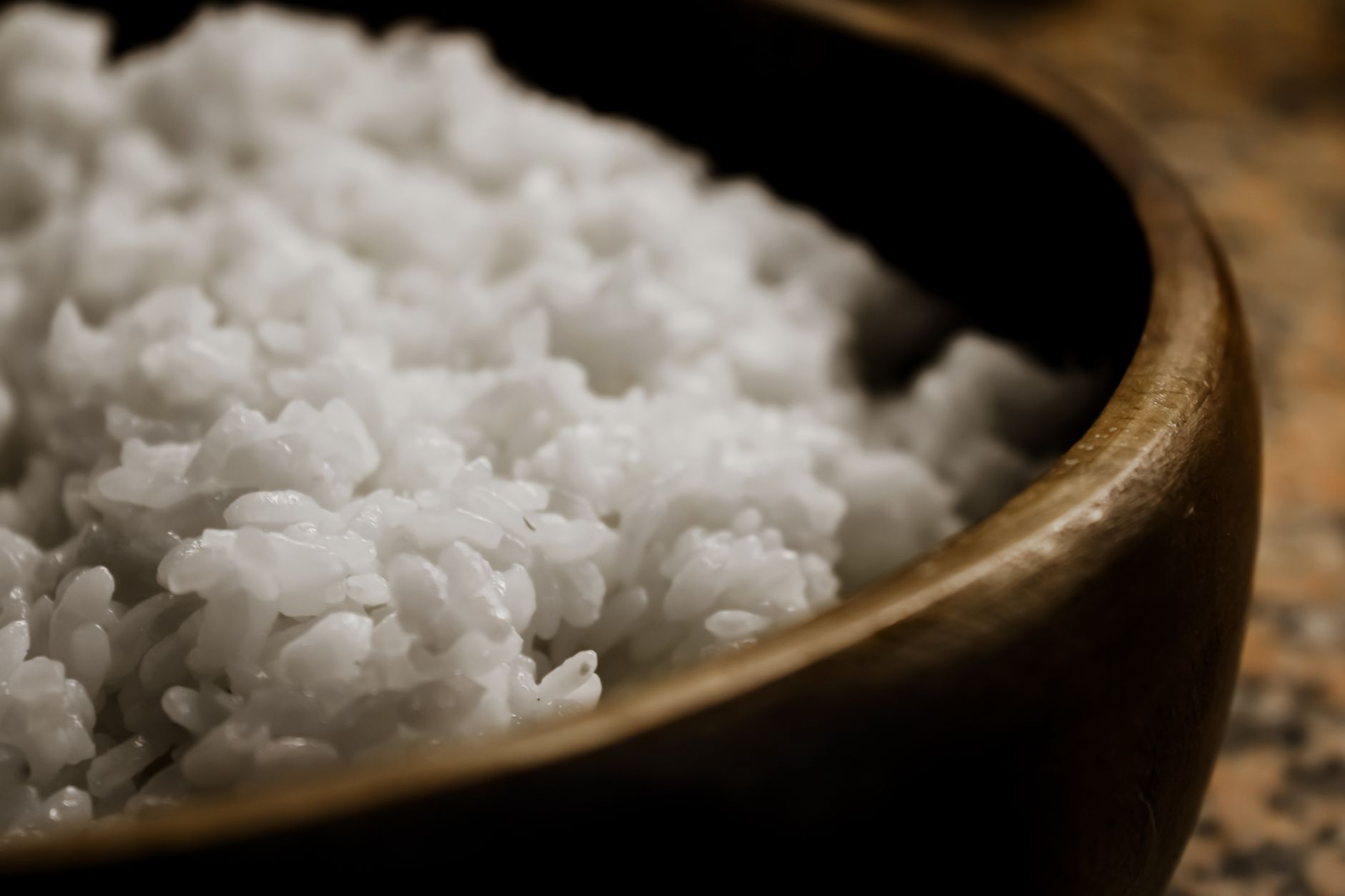
Iyasaka Jozo in Kashiwazaki makes “ten-wari koji-shu” (100% koji sake). Koji is steamed rice on which a mould called koji-kin has been grown, and it converts the starch in rice into sugar. In ordinary sake, only about 20% of the rice used becomes koji, and the rest is steamed white rice. In ten-wari koji-shu, all of the rice is made into koji. It is the same as sake in that it is made from just rice, koji and water, but the proportions are pushed to the extreme.
If you are looking for craft sake in Europe, pay attention to the wording on the label. Look for “other brewed alcoholic beverages” instead of “sake” or “seishu”, or for the English words “craft sake”. Fruit-infused types show the character of their secondary ingredients clearly, so they are easy to try even if you are not used to sake. We recommend serving them well chilled and enjoying the aroma in a white wine glass. Try the ten-wari koji-shu alongside an ordinary sake. You will see more easily how the proportion of koji changes the flavour. Sake from new breweries is still hard to find in European shops, so asking a specialist sake retailer is the quickest route.
Sources
This article was written by The Sake Wire editorial team, summarising the public sources listed above. Images are our own.
Try Akita sake in the EU — from €6
180 ml tasting bottles and full-size sake, wine, beer and gin, shipped from Amsterdam within the EU.


