Nihonsakari releases four-time consecutive gold-medal daiginjo genshu in limited numbers
Nihonsakari of Hyogo has put on general sale, in limited numbers, a daiginjo genshu that won its fourth consecutive gold at the National New Sake Awards, timed for Sake Day on 1 October.
What “gold” means
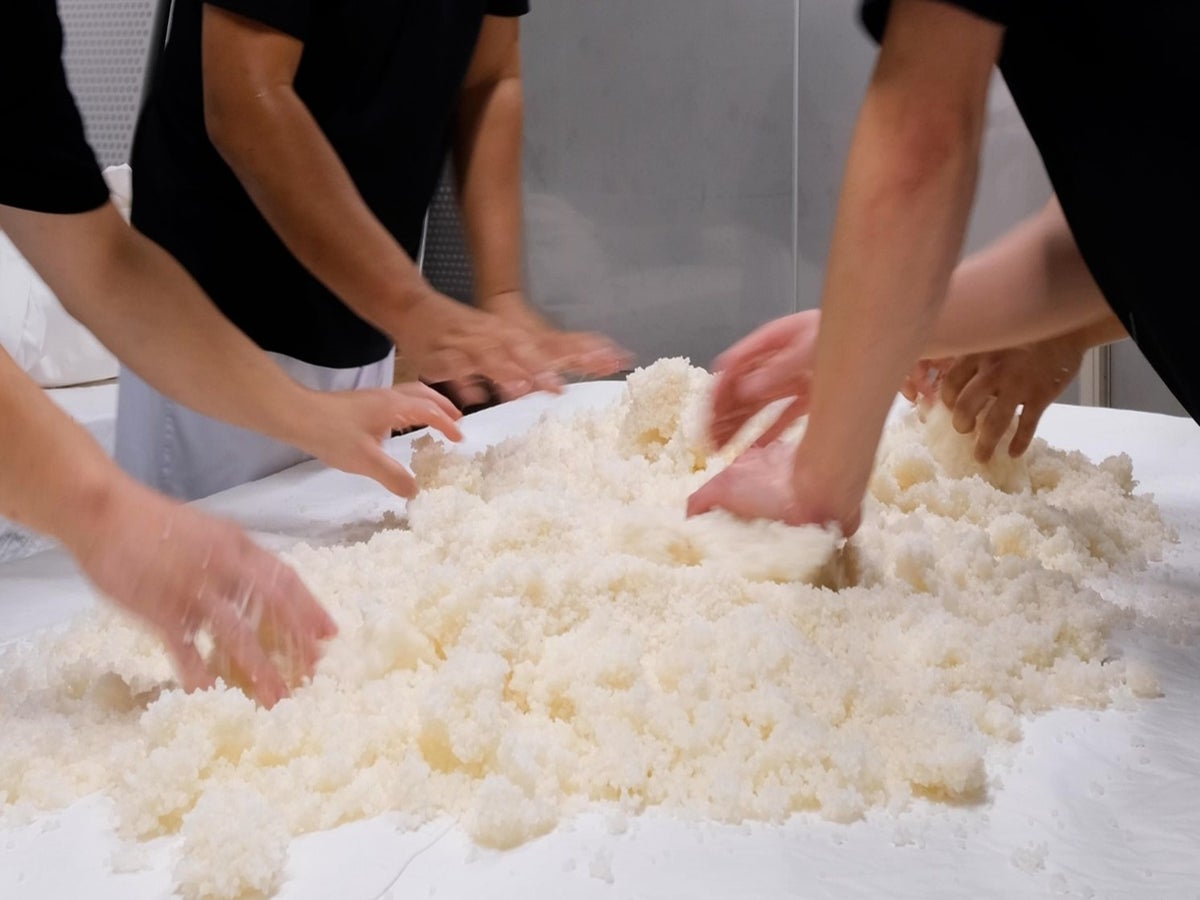
The National New Sake Awards (Zenkoku Shinshu Kanpyokai) began in 1911 and is one of the longest-running sake competitions in Japan. It is co-hosted by the National Research Institute of Brewing, a state research body, and the Japan Sake and Shochu Makers Association, the industry group. Each year, several hundred new sakes from breweries across the country are entered, and gold awards go only to the most outstanding among the prizewinners. Nihonsakari Co., Ltd., headquartered in Nishinomiya, Hyogo Prefecture, won gold for the fourth year running with sake brewed in 2025 (the 7th year of Reiwa brewing year). It has put the winning sake on sale in limited numbers from 1 October 2026, in a 720ml bottle at 5,500 yen including tax.
A genshu of Yamada Nishiki polished to 38%
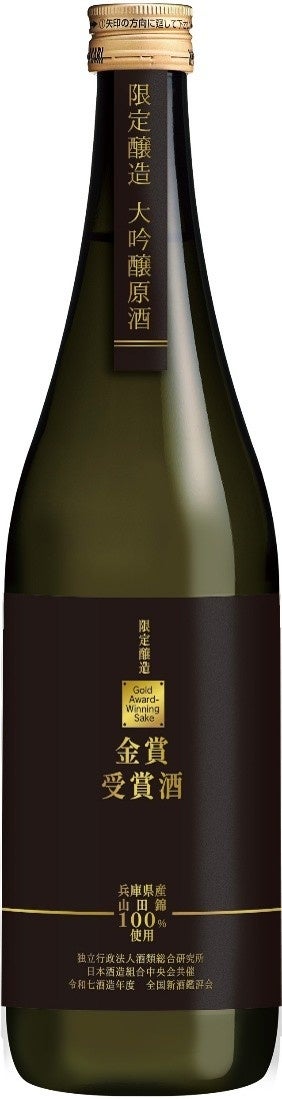
The rice used is Yamada Nishiki grown only in Nishioku, Yokawa-cho, Hyogo Prefecture. Yamada Nishiki is the leading premium sake rice, and Yokawa-cho is rated as a “Special A district”, the top tier among its growing areas. A polishing ratio of 38% means that the outer 62% of the brown rice has been milled away, leaving only the core. Daiginjo is one of the top grades, requiring the rice to be polished to 50% or less. Because it is a “genshu”, with no water added at the end, the alcohol content is somewhat high at 16 to 17%. A small amount of brewer’s alcohol has been added to bring out the aroma. The sake meter value is +2.0 and the acidity is 1.2.
The toji’s aim: a “restrained aroma”

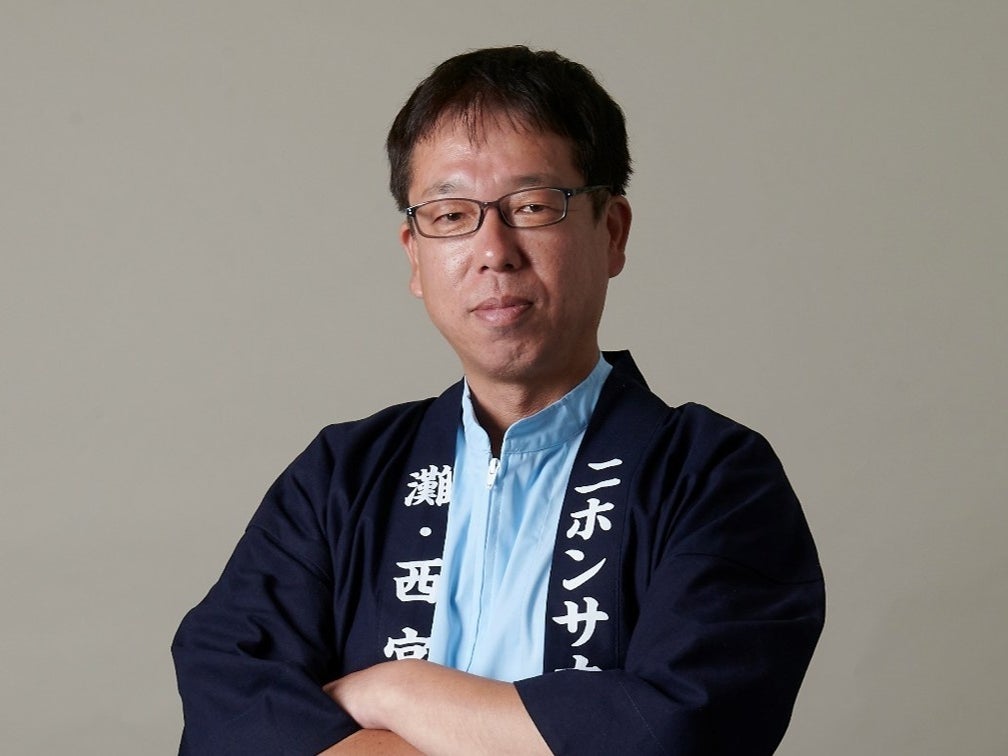
According to Nagatoshi Nakane, the toji (master brewer) in charge of production, this year he managed fermentation to bring out the character of the yeast and koji, deliberately keeping the aroma more subdued than in previous years. He then finished the sake so that it goes down cleanly. As the brewery describes it, an apple-like aroma rises the moment it touches the mouth, followed by a banana-like aroma that spreads across the palate. The texture is smooth, with sweetness and acidity well balanced, giving a light, slightly sweet taste.
This limited release is sold through online shops and directly operated stores in Japan, so finding the same bottle in Europe will be difficult. Even so, on the shelves of imported sake, the words “gold award”, “Yamada Nishiki” and “daiginjo genshu” are a useful guide to quality. Daiginjo is best served not too cold, in a white wine glass, which makes its fruity aromas easier to appreciate. Because genshu is relatively strong, pour small amounts at a time and pair it with sashimi, white fish or light cheeses.
References and sources
- PR TIMES (Nihonsakari) “Notice of limited release of the gold-winning sake of the 7th Reiwa brewing year National New Sake Awards” https://prtimes.jp/main/html/rd/p/000000110.000041514.html
Sources
This article was written by The Sake Wire editorial team, summarising the public sources listed above. Images are our own.
Try Akita sake in the EU — from €6
180 ml tasting bottles and full-size sake, wine, beer and gin, shipped from Amsterdam within the EU.


