Kumamoto's Yamaga Distillery doubles its maturation capacity, adding depth to Kyushu whisky
Yamaga Distillery in Kumamoto Prefecture has invested about 500 million yen in a new warehouse, more than doubling its whisky maturation capacity.
Investment in whisky-making continues in Kyushu, in the south-west of Japan. According to the Nihon Keizai Shimbun, Yamaga Distillery in Yamaga, Kumamoto Prefecture, has spent about 500 million yen on a new warehouse, raising its capacity for maturing new-make spirit to more than double its previous level. Distilleries in Oita and Kagoshima prefectures are also still attracting investment, and Kyushu is growing in prominence as a production region for Japanese whisky.
What the investment in maturation warehouses means
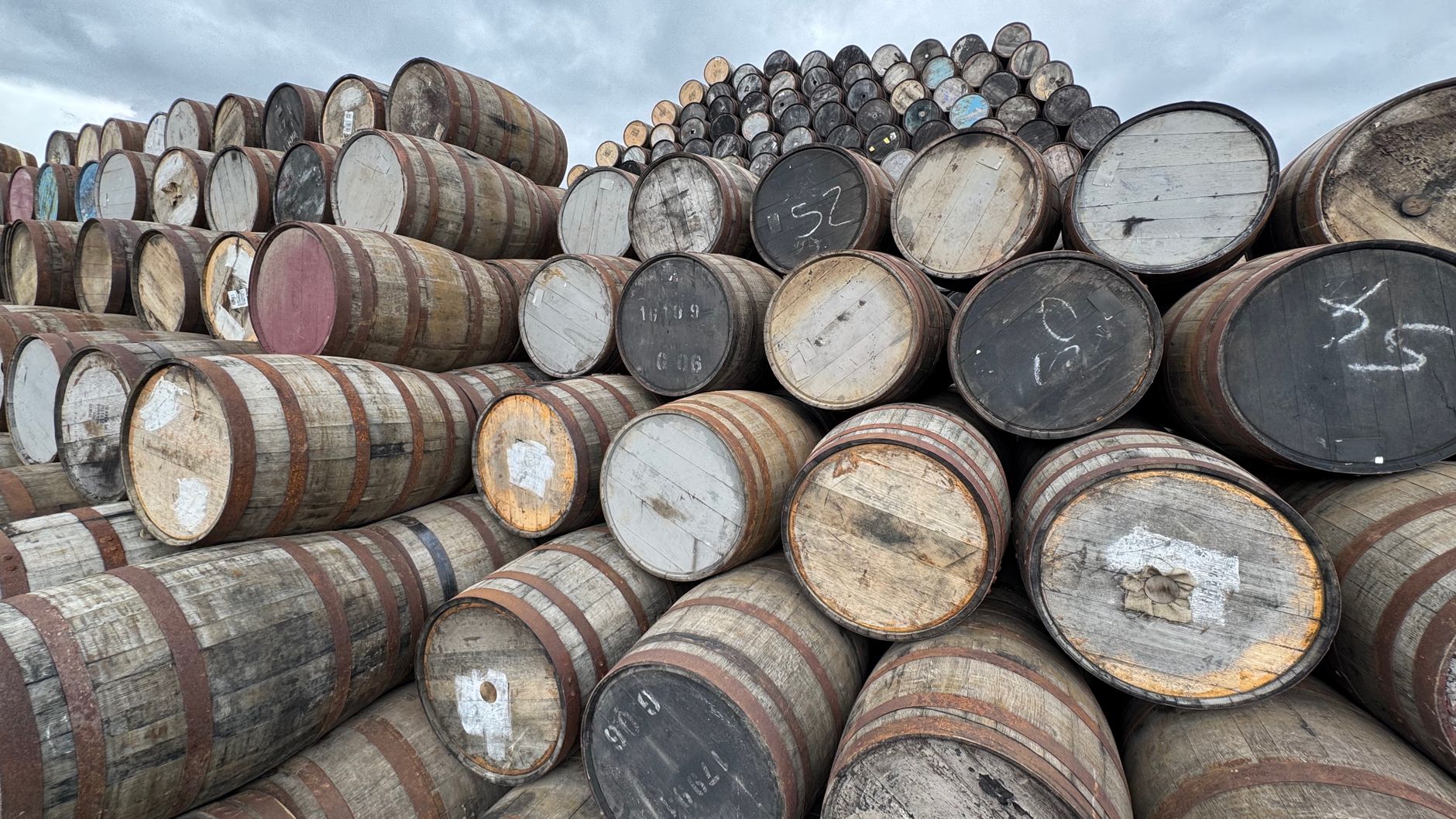
The Kikuka Warehouse, completed this summer, can hold 3,360 casks of 200 litres and 840 casks of 500 litres. By simple calculation, the total cask volume exceeds one million litres. Whisky is not finished simply by being distilled: it is the many years spent asleep in the cask that give it its colour, aroma and mellowness. Under the voluntary standards of the industry body, a whisky must be matured in Japan for at least three years to call itself “Japanese whisky”. Expanding maturation capacity is therefore a long-term investment made ahead of time, to increase the volume of whisky that can be brought to market in several years.
Kyushu gains depth as a production region
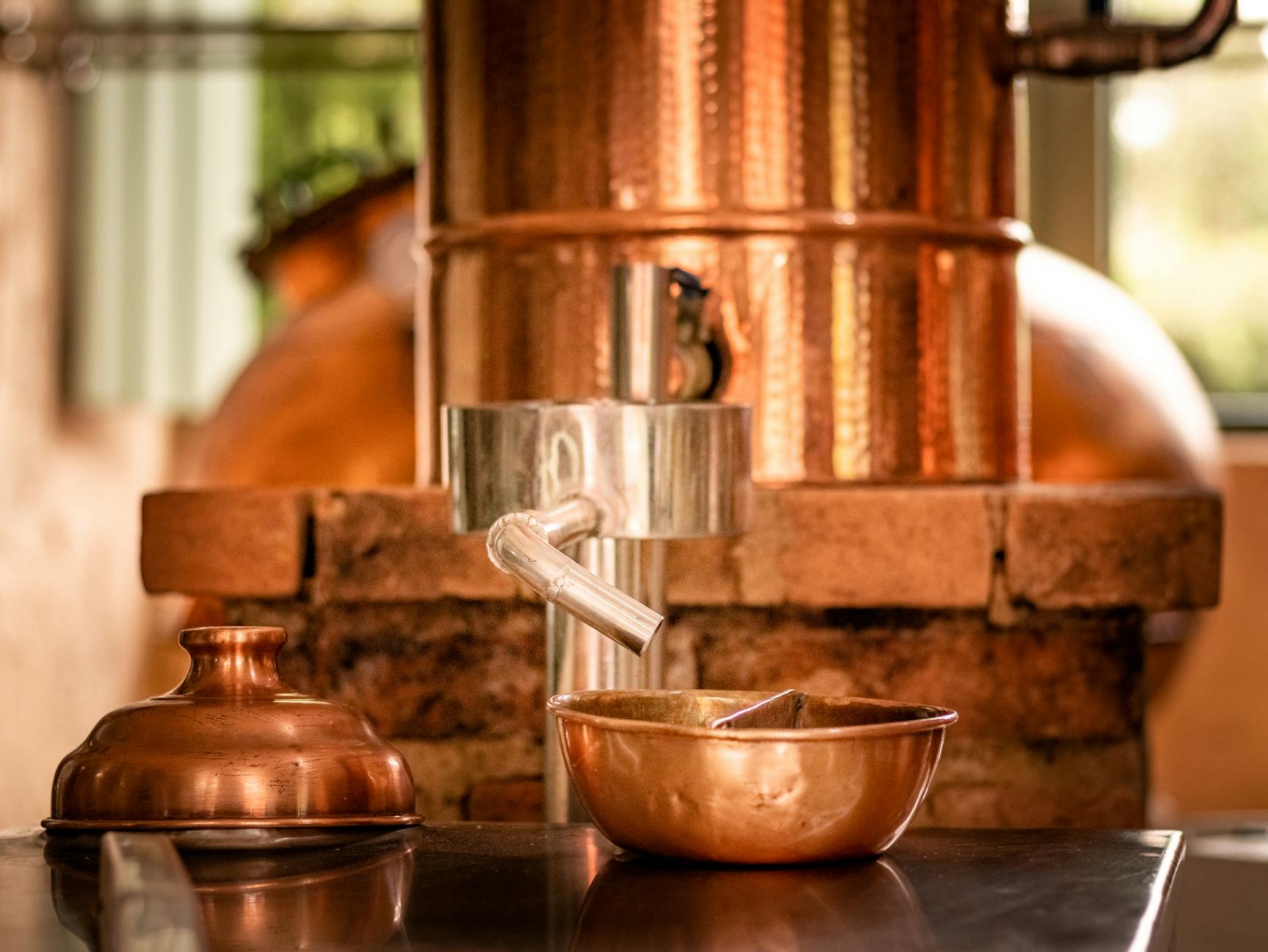
Kyushu has long been a major production area for shochu, a land where distilling skills and culture have taken root. According to the article, investment in distilleries continues not only in Kumamoto but also in Oita and Kagoshima, and a number of producers are gathering in a single region. As producers increase, differences in climate, water and the use of casks become individual characters in their own right, which makes it easier for the region’s reputation to grow. Just as with the regions of Scotland, the day may come when “Kyushu whisky” is talked about as a category in its own right.
This development will not change the bottles on shop shelves straight away. However, with greater maturation capacity, there may in a few years be more whisky of clearly stated age, and room for larger volumes to be sent for export. When choosing Japanese whisky in Europe, look at the place of origin on the label and try to spot Kyushu names such as Kumamoto, Oita and Kagoshima. Younger whiskies are said to have a bright, fruity character and to show their personality more readily in a highball. Another way to enjoy them is to taste the same distillery’s whiskies of different ages side by side and trace how the time spent in the cask changes them.
Sources
This article was written by The Sake Wire editorial team, summarising the public sources listed above. Images are our own.
Try Akita sake in the EU — from €6
180 ml tasting bottles and full-size sake, wine, beer and gin, shipped from Amsterdam within the EU.


