The 150-Year-Old Kikusui Brewery Revived with Help from a Construction Firm
Kikusui Shuzo, an old Akita brewery that had temporarily halted operations amid financial difficulties, has begun rebuilding with support from a local construction firm and crowdfunding.
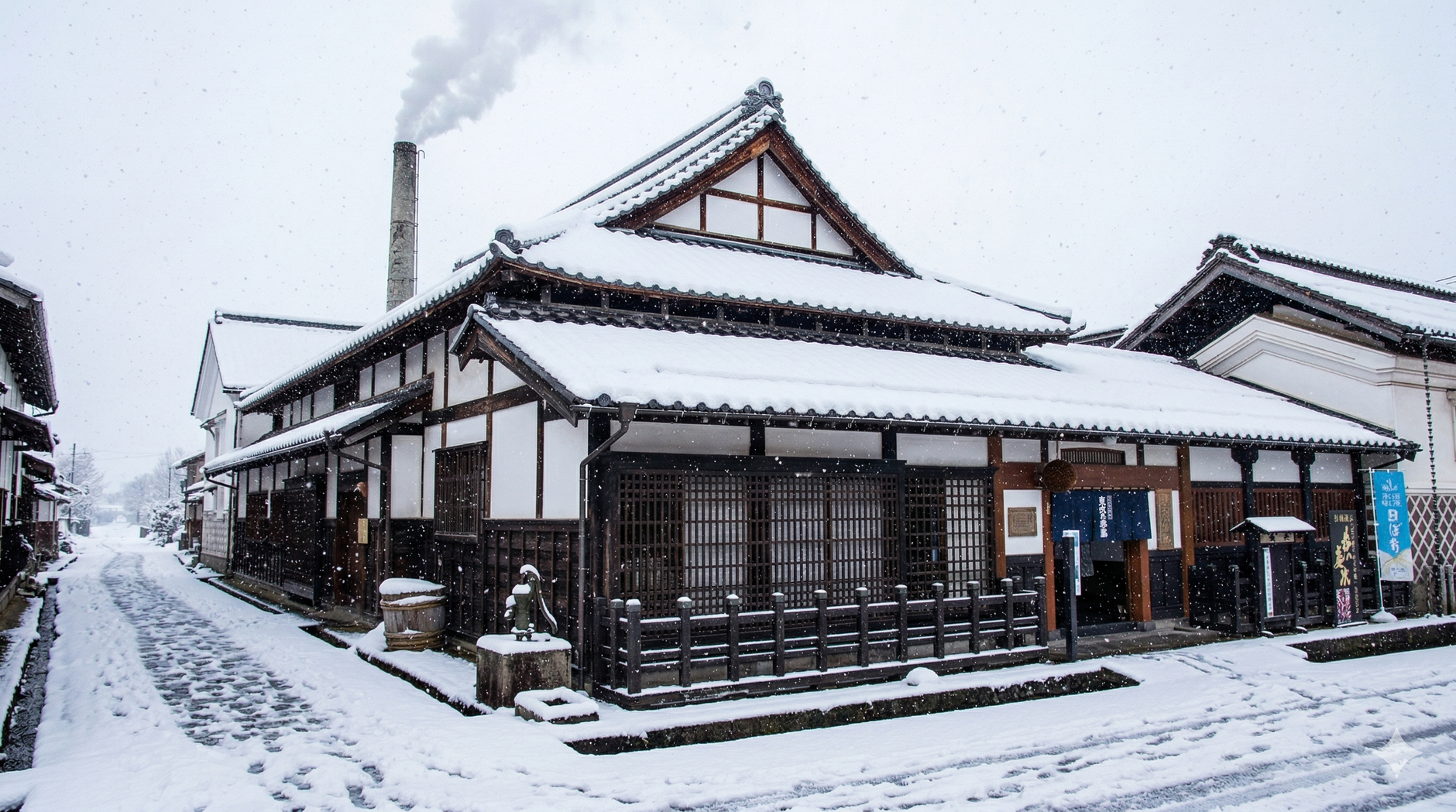
Kikusui Shuzo (喜久水酒造) is a sake brewery in Noshiro, Akita Prefecture, on the Sea of Japan coast of northern Honshu. It temporarily halted operations amid financial difficulties, but is now being rebuilt with the support of Nakata Kensetsu, a general construction company that was also born in Noshiro. A crowdfunding campaign held from 8 April to 31 May 2026 drew 444 backers and raised about 13.07 million yen against a target of 3 million yen, an achievement rate of 435%.
Sake Sleeping in a Former National Railways Tunnel
Kikusui Shuzo was founded in 1875 by the first-generation owner, Kizaburo Hirasawa. Its predecessor was a koji shop (a business making koji, the mould essential to sake brewing) that had operated since the 1840s. Locally, the brewery was long known as “Kizaburo’s sake”. In the Taisho era it was named “Kikusui” after a line in a celebratory song, a name that carries wishes for unending joy and prosperity. The brewery is now led by the sixth generation. A distinctive feature is that it has converted a tunnel once used by Japanese National Railways (the former JNR) into an underground storage cellar, where it matures its sake. By combining the skills of successive generations of brewers with this tunnel maturation, it has created new brands.
A Local Company from a Different Industry Leads the Rebuilding
Nakata Kensetsu, which is supporting the rebuilding, was founded in Noshiro in 1946. It handles civil engineering, building and paving work, and in recent years has welcomed local companies into its group through business succession, protecting regional industry and employment. It says the brewery’s rebuilding is an extension of that effort. It is a case of a local company from an entirely different industry supporting a brewery that has been handed down within a family for generations. The funds raised will be used to protect the historic brewery and its tunnel storage cellar for the long term. The campaign set stepped goals, naming 5 million yen “Revival” and 7 million yen “Ultimate Rice Cultivation”. The vision extends to a “new Kikusui” brewed with rice grown in the company’s own paddies.
Waiting in Europe for the Reborn Kikusui
Rewards for backers included a plan in which the first junmai daiginjo pressed after the revival would be matured in the tunnel for three or five years and delivered in 2029 and 2031. Junmai daiginjo is a top-tier sake made only from rice and rice koji, with the rice heavily polished to reduce off-flavours. The brewery says it wants to deliver the future Kikusui “to the whole country, and to the world”, but no specific export plans have yet been announced. Care is needed when searching in Europe. Another brewery in Niigata Prefecture, “Kikusui”, is also written “Kikusui” in Roman letters, so check the kanji “喜久水” on the label and the place of origin, Noshiro. When the post-revival sake reaches the market, paying attention to the difference between the new sake brewed with rice from the company’s own paddies and the sake matured in the tunnel may reveal how maturation changes the aroma and mouthfeel. You can follow the latest developments on the official Instagram account.
Sources
This article was written by The Sake Wire editorial team, summarising the public sources listed above. Images are our own.
Try Akita sake in the EU — from €6
180 ml tasting bottles and full-size sake, wine, beer and gin, shipped from Amsterdam within the EU.


